Jurassic Park returns to Prime Video as the franchise prepares for Jurassic World: Rebirth
 Shaun M Jooste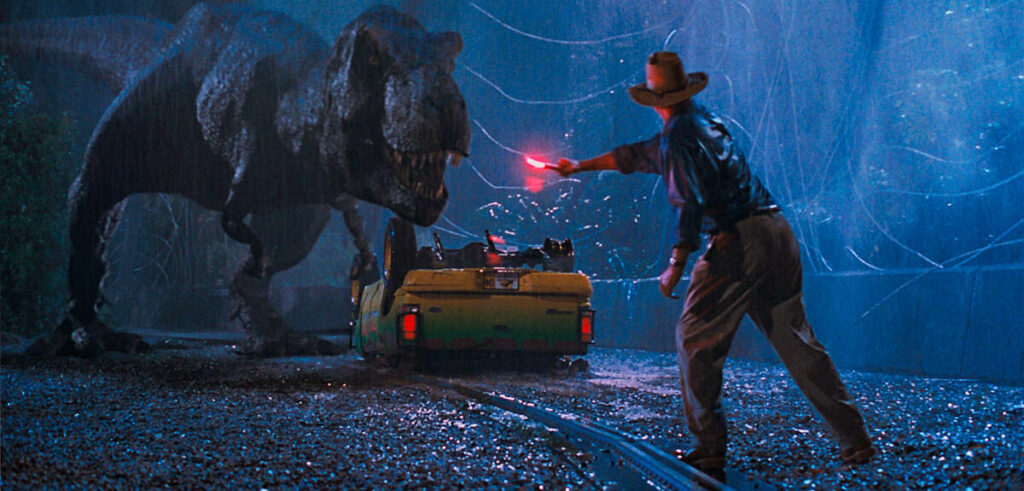
The gates are opening once again. Prime Video has expanded its Jurassic catalogue by adding the original Jurassic Park trilogy, joining the Jurassic World films that were already available on the platform. For fans, this means the roots and the modern era of the dinosaur saga now sit side by side, all in one place.
While streaming libraries constantly shift, the timing of this move feels deliberate. With Jurassic World: Rebirth expected to arrive on Prime Video in the near future, the return of the original films looks less like a coincidence and more like careful franchise positioning.
A complete journey back to where it all began
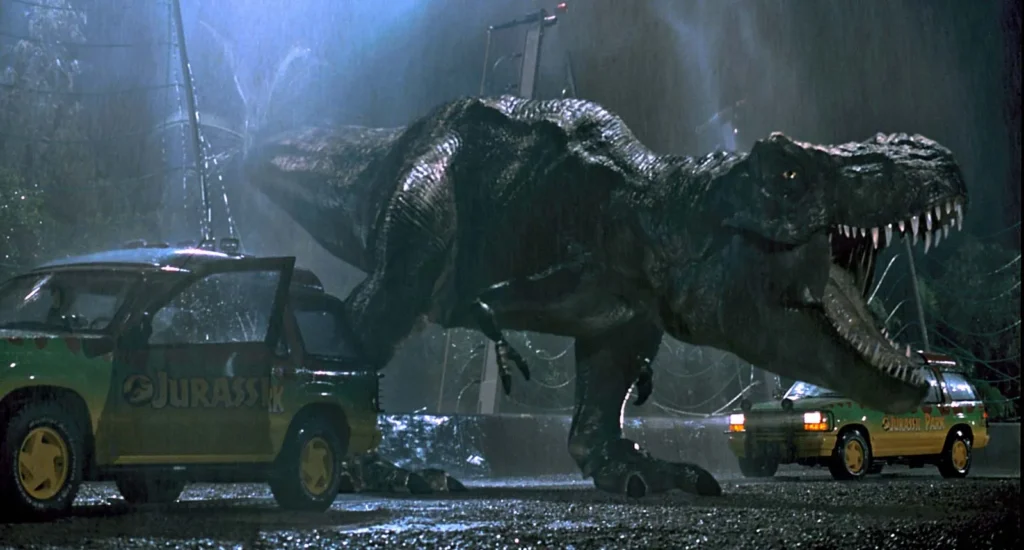
Steven Spielberg’s Jurassic Park (1993) remains one of the most influential blockbuster films ever made, blending cutting-edge visual effects with tension, wonder, and a cautionary tale about scientific ambition. Its sequels, The Lost World: Jurassic Park and Jurassic Park III, expanded the universe and introduced ideas that would later be revisited in the Jurassic World era.
By adding these films back into its catalogue, Prime Video allows viewers to experience the full evolution of the franchise, from practical effects and animatronics to the large-scale spectacle of the modern entries. For long-time fans, it is a chance to revisit familiar moments. For newer audiences, it offers the opportunity to see how the franchise was originally defined.
From Jurassic Park to Jurassic World
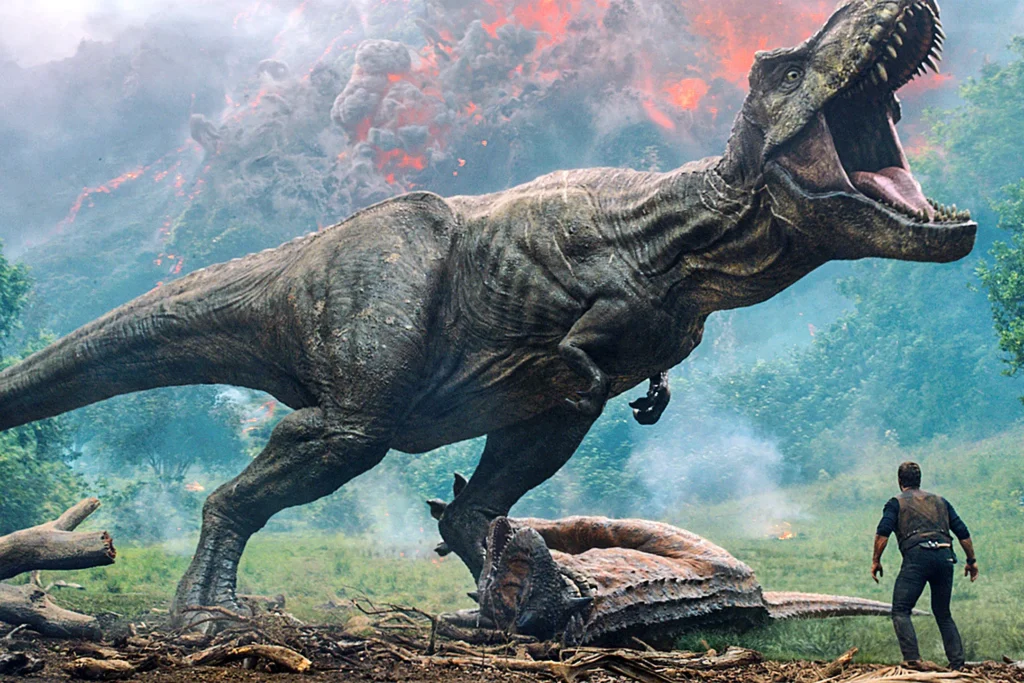
The Jurassic World trilogy reimagined the concept for a new generation, shifting the focus from a failed experiment to a functioning, commercialised dinosaur theme park and, eventually, a world permanently changed by de-extinction. Themes of corporate control, environmental fallout, and human responsibility grew more pronounced as the series progressed.
Having both eras available on the same platform highlights how closely connected these stories really are. Characters, ideas, and moral questions echo across decades, making the franchise feel less like separate trilogies and more like a single, evolving narrative.
Why the timing matters
The return of the original trilogy comes at a moment when attention is building around Jurassic World: Rebirth. Whether intentional or not, the move places Prime Video in a strong position as a destination for Jurassic fans.
For viewers, it encourages full-series rewatching. For the platform, it increases engagement and watch time. And for the franchise itself, it refreshes interest by reminding audiences why the story still matters more than 30 years after the first film.
In the streaming era, major releases rarely stand alone. They are supported by back catalogues designed to pull viewers deeper into a franchise ecosystem. The Jurassic series is particularly well suited to this approach, given its clear lineage and enduring popularity.
What this means for fans
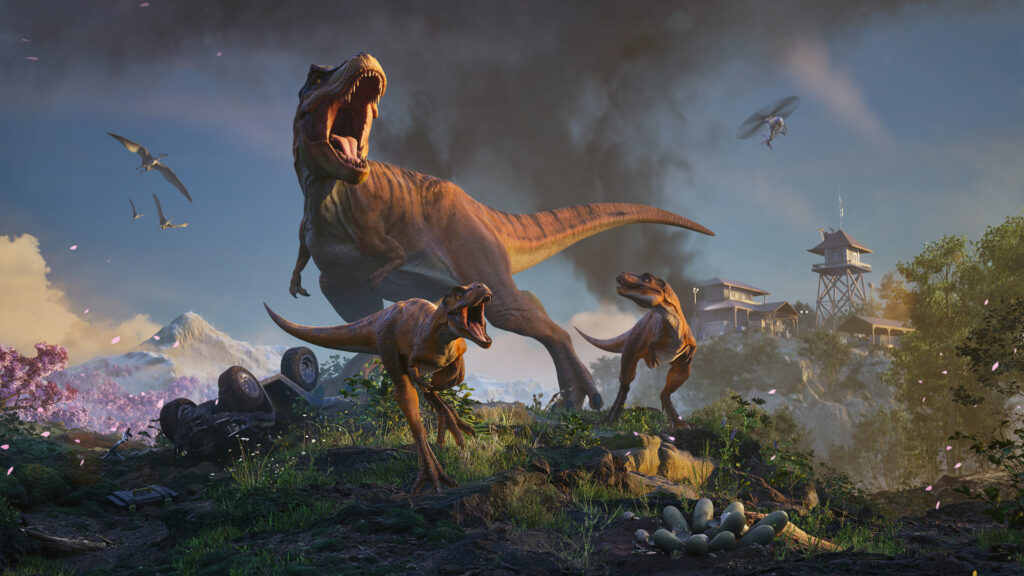
For casual viewers, Prime Video now offers an easy way to catch up before Rebirth arrives, without jumping between multiple streaming services. For dedicated fans, it creates the perfect excuse for a chronological marathon, tracing the franchise’s ideas from the original park to its latest incarnation.
It also reinforces the staying power of the Jurassic brand. Few film series manage to remain culturally relevant across multiple generations, and even fewer successfully bridge nostalgia with modern blockbuster storytelling. Also, it’s a great time for gamers who are heading into the recently released Jurassic World Evolution 3!
A strategic move in the age of streaming
By bringing the original Jurassic Park films back alongside the Jurassic World entries, Prime Video effectively positions itself as a central hub for one of cinema’s most iconic franchises. If Jurassic World: Rebirth does land on the platform as expected, this move will look less like a library update and more like a carefully planned build-up.
For now, one thing is certain: the dinosaurs are back, the fences are humming, and the journey to Rebirth starts exactly where it always should have, with the park that began it all. 🦖