Structuring the Plot of Your Horror Novel: Scary Twists and Turns
 Shaun M Jooste
Structuring the plot of your horror novel is one of the most critical steps in crafting a story that grips readers from the first page to the last. Horror thrives on tension, pacing, and emotional impact, all of which depend on how well your plot is organised. Without a strong structure, even the most terrifying ideas can fall flat or feel disjointed.
Writers often focus heavily on monsters, twists, or shocking moments, but these elements only work when supported by a solid narrative foundation. Structuring the plot of your horror novel ensures that every scare, reveal, and emotional beat lands with precision and purpose.
In this guide, we explore how to build a compelling horror plot that keeps readers uneasy, engaged, and eager to turn the page.
Understanding the Core of Horror Storytelling
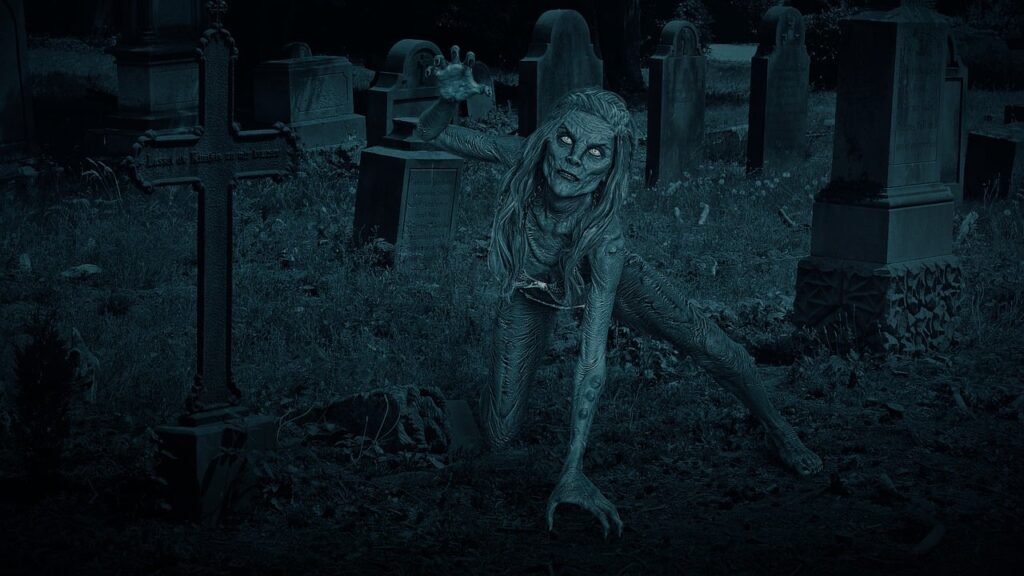
At its heart, horror is not just about fear. It is about anticipation, dread, and the unknown. Structuring the plot of your horror novel means understanding how fear evolves throughout a story rather than relying on constant shocks.
The most effective horror plots begin with normality. Readers need a baseline before the disruption begins. This contrast makes the intrusion of horror feel more real and unsettling. Establishing everyday life also helps readers connect with your characters before placing them in danger.
As the story progresses, the horror should escalate gradually. Instead of revealing everything too soon, layer your tension. Small, strange occurrences should build into something far more sinister. This slow burn keeps readers invested and creates a sense of inevitability.
By focusing on emotional stakes alongside fear, you ensure that your story resonates beyond the scares. Readers are not just frightened. They care about what happens next.
The Three-Act Structure in Horror
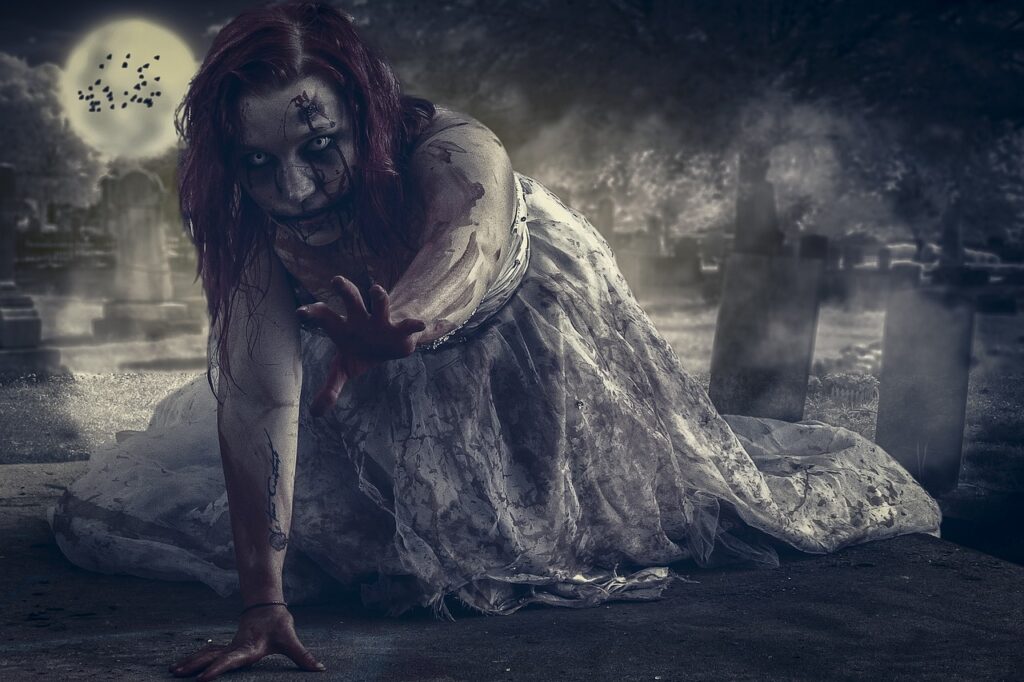
Structuring the plot of your horror novel often works best when using a classic three-act structure. This framework provides clarity while allowing flexibility for creative storytelling.
In the first act, you introduce your characters, setting, and the initial hint of horror. This is where the normal world begins to fracture. The inciting incident should disrupt the status quo and set the story in motion.
The second act is where the horror intensifies. Characters investigate, confront, or attempt to escape the threat. This act should be filled with rising tension, obstacles, and deeper revelations. It is also where your characters are pushed to their limits, both physically and emotionally.
The third act delivers the climax and resolution. This is where the true nature of the horror is revealed and faced. Whether your ending is hopeful, tragic, or ambiguous, it must feel earned based on everything that came before.
Using this structure helps maintain pacing and ensures that your story builds toward a powerful and memorable finale.
Key Elements to Include in Your Horror Plot
When structuring the plot of your horror novel, certain elements consistently enhance the experience and keep readers engaged:
- A compelling protagonist who has something meaningful to lose
- A clear source of horror, whether supernatural, psychological, or human
- Escalating stakes that increase the danger over time
- Moments of calm to contrast with intense scenes
- A central mystery or question that drives the narrative forward
- A satisfying climax that delivers on the built tension
These elements work together to create a cohesive story. Without them, your plot may feel unfocused or repetitive.
Balancing these components ensures that your horror novel maintains momentum while delivering impactful moments that stay with readers long after they finish the book.
Pacing and Tension: Keeping Readers Hooked
Pacing plays a vital role when structuring the plot of your horror novel. Too fast, and the story feels rushed. Too slow, and readers may lose interest. Finding the right balance is essential.
Effective pacing involves alternating between tension and release. After an intense scene, give readers a moment to breathe before building suspense again. This rhythm keeps the story engaging and prevents emotional fatigue.
Foreshadowing is another powerful tool. Subtle hints and clues create anticipation and reward attentive readers. When done correctly, these details make your story feel layered and intentional.
Cliffhangers, unanswered questions, and unexpected twists also help maintain engagement. However, they must feel natural within the story. Forced twists can break immersion and weaken the overall impact.
Mastering pacing ensures that your horror novel remains gripping from start to finish.
Crafting an Ending That Lingers
The ending is one of the most important aspects of structuring the plot of your horror novel. It determines how readers remember your story and whether it leaves a lasting impression.
A strong horror ending does not always provide complete closure. In many cases, ambiguity can enhance the sense of unease. Leaving certain questions unanswered allows the fear to linger beyond the final page.
However, the emotional journey of your characters should still feel resolved. Readers need a sense of payoff, even if the horror itself continues or evolves.
Consider what kind of impact you want your story to have. Do you want readers to feel shocked, disturbed, or reflective? Your ending should align with that goal while staying true to the tone of your narrative.
When done right, your ending becomes the most haunting part of your story.
Building Fear That Lasts
Structuring the plot of your horror novel is about more than organising events. It is about crafting an experience that draws readers in and refuses to let go. From the opening normality to the final unsettling moment, every part of your plot should serve a purpose.
By focusing on strong structure, deliberate pacing, and emotional depth, you can create a horror novel that stands out in a crowded genre. The key is to build tension gradually, maintain control over your narrative, and deliver a story that feels both terrifying and meaningful.
If you are ready to take your horror story to the next level, check out our book publishing services and bring your vision to life.