Dungeons and Dragons Races and Classes Guide
 Shaun M Jooste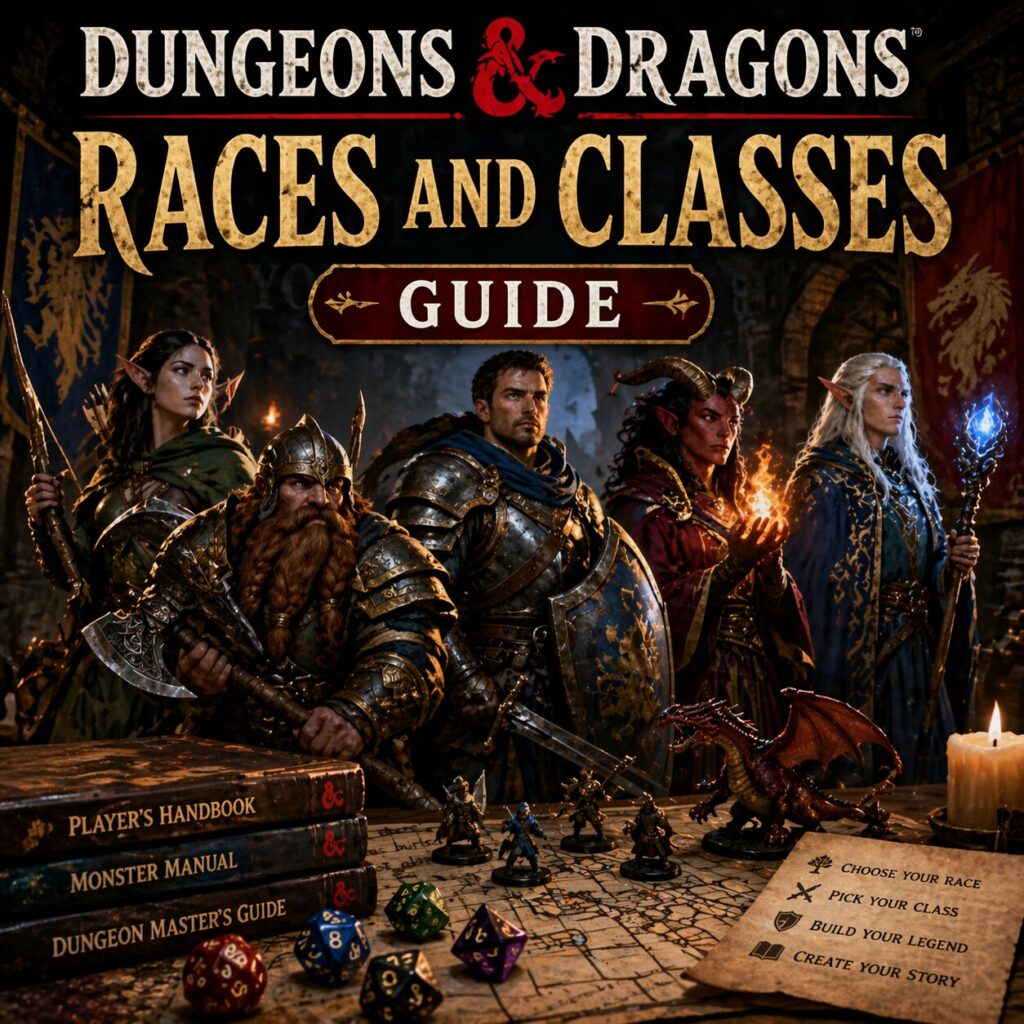
Understanding Dungeons and Dragons races and classes is essential for anyone stepping into the world of tabletop roleplaying. Whether you are a new player or a seasoned adventurer, the combination you choose defines your character’s abilities, personality, and role within the party.
Dungeons and Dragons races and classes work together to shape your gameplay experience. Your race influences your natural traits, while your class determines your skills, combat style, and progression throughout the campaign.
In this guide, we break down the key aspects of Dungeons and Dragons races and classes to help you build a character that is both effective and fun to play.
What Are Races in Dungeons and Dragons?
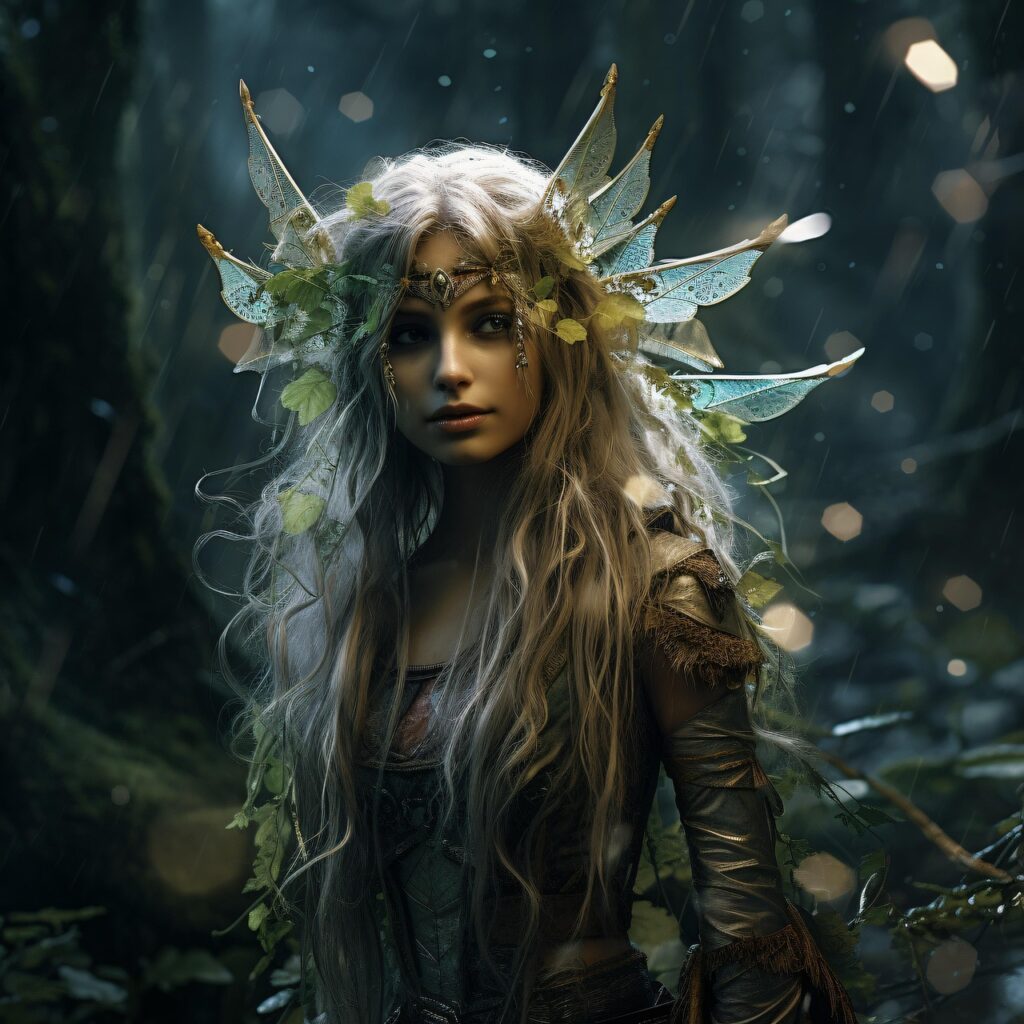
In Dungeons and Dragons races and classes, your race represents your character’s ancestry and physical traits. Each race comes with unique abilities, bonuses, and cultural backgrounds that influence how your character interacts with the world.
Common races include humans, elves, dwarves, and halflings, but the game offers many more options such as dragonborn, tieflings, and gnomes. Each race provides different strengths, such as increased agility, resilience, or magical affinity.
Choosing the right race is not just about stats. It also shapes your character’s story, appearance, and how others perceive them in the game world. A well-chosen race adds depth and immersion to your roleplaying experience.
When exploring Dungeons and Dragons races and classes, think about how your race complements your desired playstyle and narrative.

What Are Classes in Dungeons and Dragons?
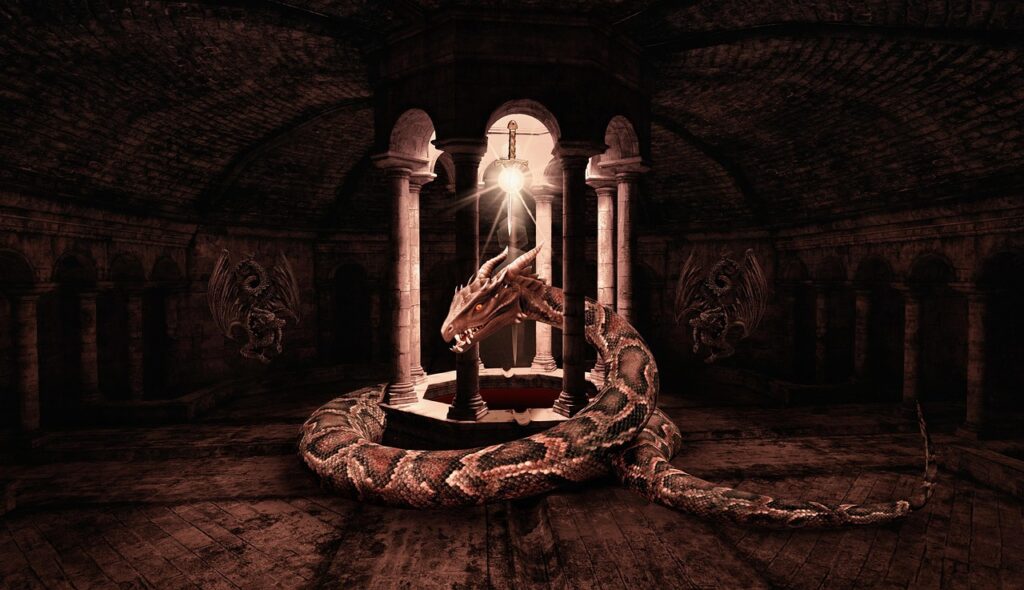
Classes are the backbone of gameplay in Dungeons and Dragons races and classes. Your class determines what your character can do, from casting spells to wielding weapons or supporting allies.
Popular classes include fighters, wizards, rogues, clerics, and barbarians. Each class has its own progression system, abilities, and specialisations that evolve as your character levels up.
For example, a wizard focuses on powerful spells and intelligence, while a fighter relies on strength and combat skills. A rogue excels in stealth and precision, making them ideal for strategic players.
When selecting from Dungeons and Dragons races and classes, your class should align with how you want to approach challenges and contribute to your party.
Popular Race and Class Combinations
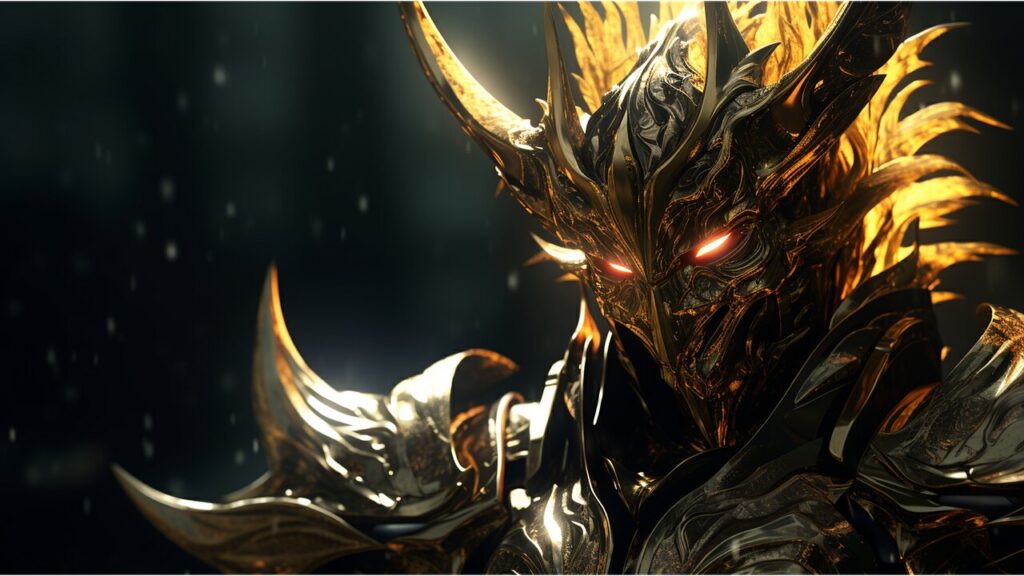
Choosing the right pairing in Dungeons and Dragons races and classes can enhance your character’s effectiveness and storytelling potential. Some combinations naturally complement each other based on abilities and traits:
- Elf + Ranger for agility and connection to nature
- Dwarf + Fighter for durability and melee strength
- Tiefling + Warlock for magical synergy and dark themes
- Halfling + Rogue for stealth and dexterity
- Human + Paladin for versatility and leadership
These combinations are popular for a reason, but they are not rules. One of the joys of Dungeons and Dragons races and classes is experimenting with unusual pairings that create unique and memorable characters.
Mixing unexpected races and classes can lead to creative roleplay opportunities and surprising gameplay outcomes.
How to Choose the Right Combination
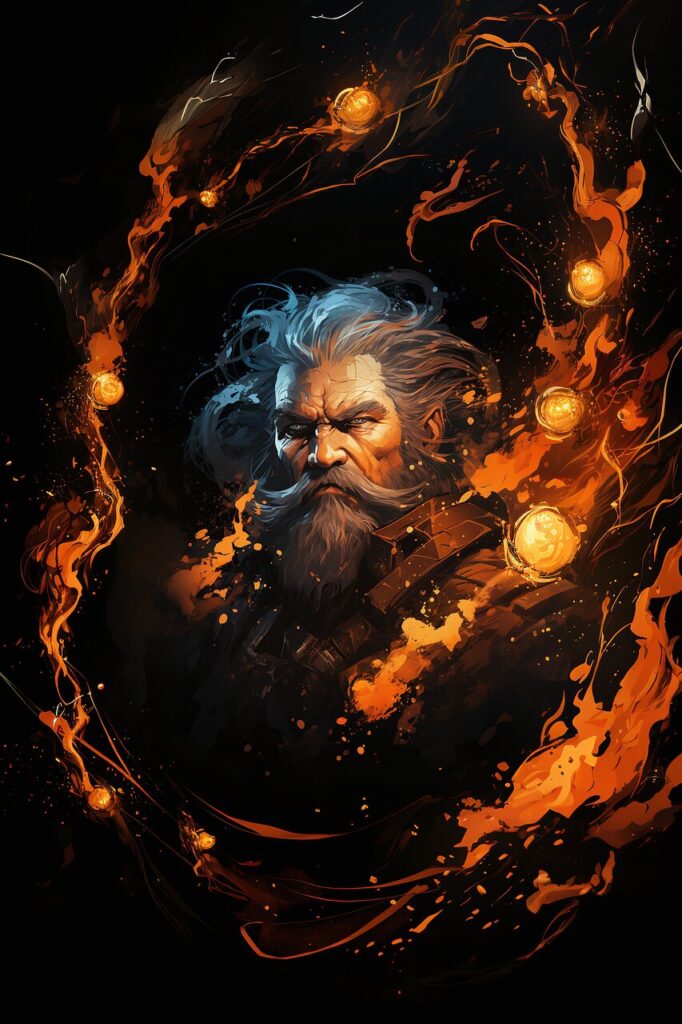
When working with Dungeons and Dragons races and classes, the best choice is the one that suits your playstyle and imagination. There is no single “correct” combination.
Start by deciding what role you want to play in your group. Do you want to deal damage, support allies, or control the battlefield? Your class will largely determine this role.
Next, consider how your chosen race enhances that role. Some races provide bonuses that align well with certain classes, but you should also think about the story you want to tell.
Balance mechanics with creativity. While strong combinations can make gameplay smoother, a compelling character concept often leads to a more enjoyable experience overall.
Dungeons and Dragons races and classes are tools for storytelling just as much as they are for gameplay.

Building a Character That Stands Out
Dungeons and Dragons races and classes offer endless possibilities for character creation. The key to standing out is combining mechanics with personality and backstory.
Think about your character’s motivations, fears, and goals. How does their race influence their upbringing? How did they come to follow their chosen class? These details bring your character to life.
Consider how your character interacts with others. A noble paladin may clash with a mischievous rogue, while a reserved wizard might struggle in social situations. These dynamics create memorable moments during gameplay.
By fully embracing the depth of Dungeons and Dragons races and classes, you can create a character that is not only powerful but also unforgettable.

Craft Your Adventure
Dungeons and Dragons races and classes form the foundation of every great campaign. By understanding how they work together, you can create characters that are engaging, effective, and rich in story.
Whether you follow traditional combinations or experiment with something entirely new, the possibilities are endless. The most important thing is to enjoy the process and bring your imagination to life.
If you are inspired to create your own fantasy stories or game-inspired worlds, check out our book publishing services and turn your ideas into a published reality.