Shaun M Jooste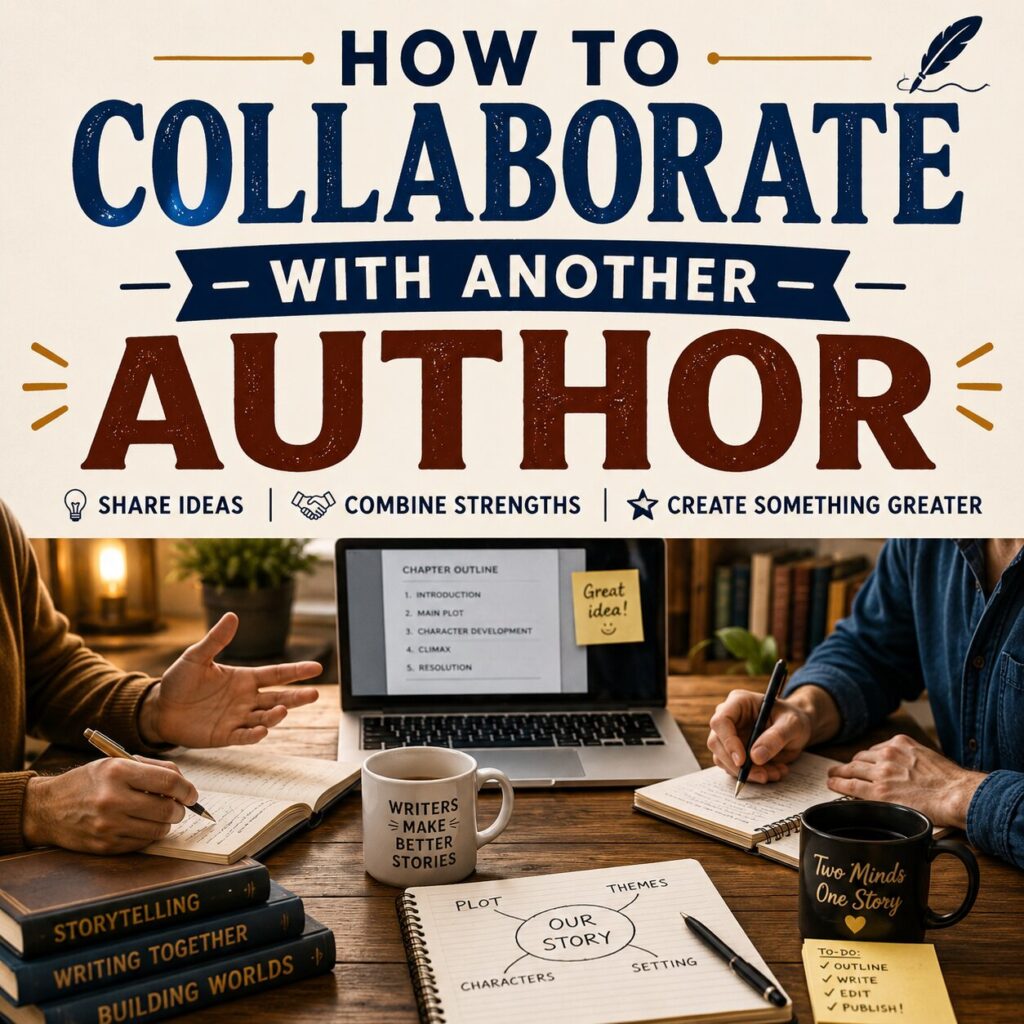
Working with another writer can be one of the most rewarding experiences in the publishing world. Whether you are creating a fantasy epic, a romance novel, a horror anthology, or even a non-fiction guide, collaboration allows two creative minds to build something larger than either could accomplish alone. Learning how to collaborate with another author effectively can lead to stronger storytelling, fresh ideas, and a smoother creative process.
However, collaboration also requires communication, trust, and organisation. Without clear planning, creative differences and misunderstandings can quickly derail a project. Successful co-authoring is not just about writing together. It is about understanding each other’s strengths, expectations, and goals from the very beginning.
Choose the right author to work with

The first step in learning how to collaborate with another author is finding the right creative partner. A good collaboration often begins with writers who share similar goals, work ethics, and genre interests. While different writing styles can complement each other, completely opposite creative visions may create conflict later.
Take time to discuss expectations before the project begins. Talk about:
- Preferred genres and themes
- Writing schedules and deadlines
- Communication methods
- Publishing goals
- Marketing responsibilities
- Revenue sharing agreements
Many authors choose collaborators whose strengths balance their weaknesses. One writer may excel at dialogue while the other focuses on worldbuilding or editing. These complementary skills can improve the final manuscript significantly.
It is also important to ensure both authors are equally committed to the project. Uneven effort is one of the most common reasons collaborations fail.
Decide how the writing process will work

One of the biggest challenges when figuring out how to collaborate with another author is deciding how the actual writing will happen. Every partnership works differently, so there is no single correct method.
Some authors divide chapters between them. Others assign specific characters or story arcs to each writer. In some cases, one author drafts while the other edits and expands scenes. Non-fiction collaborations may involve dividing sections according to expertise.
Before writing starts, establish:
Story structure and planning
Spend time outlining the story together. Discuss the major plot points, character development, tone, pacing, and ending. The clearer the roadmap is, the easier the collaboration becomes later.
Voice consistency
Readers should feel like they are reading one unified book rather than two separate voices stitched together. Many co-authors edit each other’s chapters to create a smoother and more consistent tone.
File management and tools
Use cloud storage platforms and collaborative writing tools to avoid confusion. Shared folders, naming systems, and version tracking can prevent accidental overwrites or lost progress.
Good organisation becomes increasingly important as the manuscript grows.
Communicate openly and solve problems quickly
Strong communication is the foundation of every successful collaboration. Authors often become emotionally attached to their ideas, which can lead to disagreements during the creative process. Learning how to collaborate with another author means understanding how to handle criticism and compromise professionally.
Regular meetings or check-ins can help keep the project on track. Discuss concerns early instead of allowing frustration to build. Honest communication usually prevents small issues from becoming major problems.
It is also wise to decide beforehand how disagreements will be resolved. Some teams vote on decisions while others give final authority to the author leading a particular section of the book.
Remember that collaboration is not about winning arguments. It is about creating the strongest possible final product.
Understand publishing and legal responsibilities

Another important aspect of how to collaborate with another author is understanding the business side of publishing. Even close friends should create a written agreement before publication begins.
A collaboration agreement should outline:
- Ownership percentages
- Royalty splits
- Publishing rights
- Credit placement on the cover
- Marketing responsibilities
- Decision-making authority
- Exit clauses if one author leaves the project
This protects both writers and reduces confusion later.
If the book is traditionally published, both authors should review contracts carefully. For self-publishing, decisions regarding platforms, pricing, advertising, and branding should be agreed upon together.
Collaborative books can succeed tremendously when both authors support the marketing process equally.
Building something greater together
Understanding how to collaborate with another author can open exciting creative opportunities. Co-authoring allows writers to share workloads, combine talents, and explore ideas from new perspectives. Many successful books and long-running series have been created through strong creative partnerships.
The key to success lies in communication, planning, trust, and mutual respect. When both authors approach the project professionally and creatively, collaboration can become an inspiring experience that strengthens both the book and the writers behind it.