Tapping into Personal Phobias: Writing Scenes That Elicit Deep Fear in Readers
 Shaun M Jooste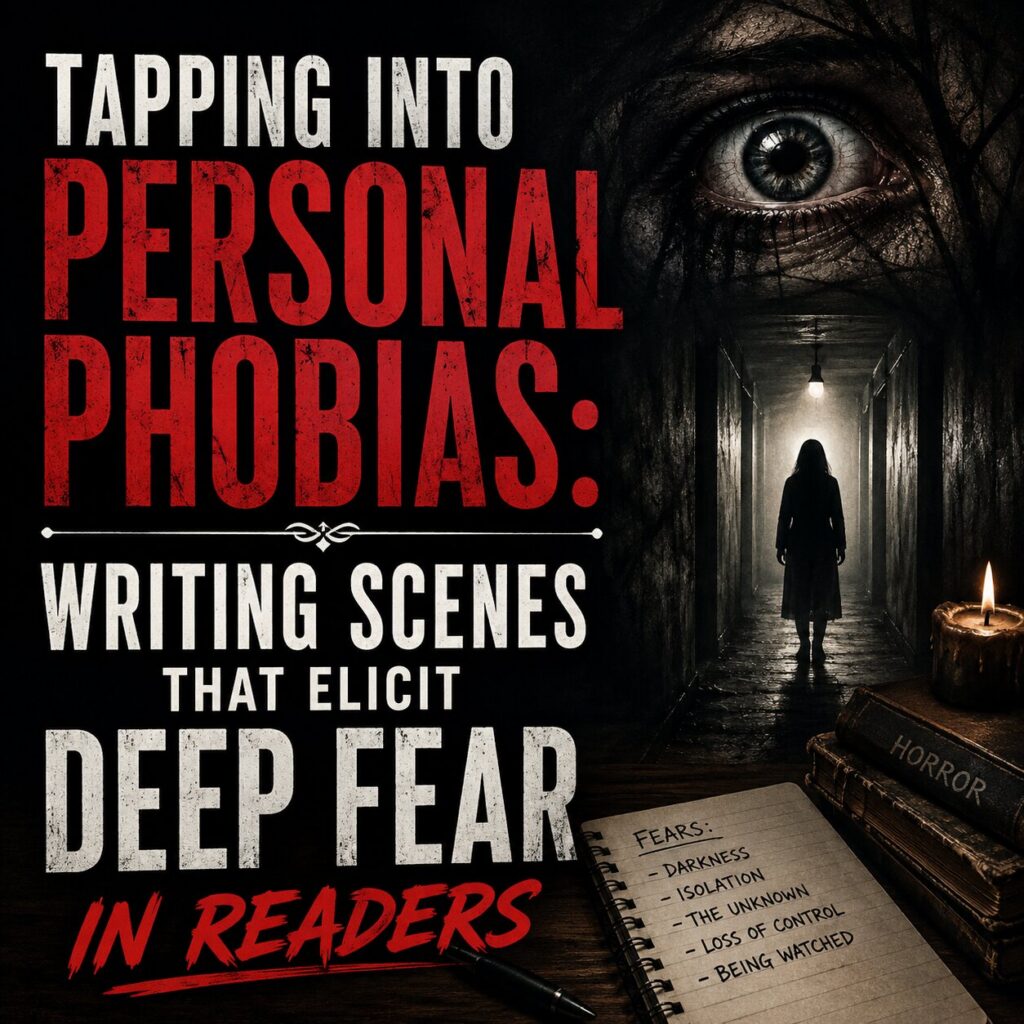
Fear is one of the most powerful emotions a writer can use in fiction. Readers may forget action scenes or dialogue exchanges, but they often remember the moments that genuinely unsettled them. In horror writing, the strongest reactions usually come from fears that feel personal and deeply human. That is where personal phobias become an incredibly valuable storytelling tool.
Using personal phobias in horror fiction allows writers to move beyond surface-level scares and create emotional experiences that linger in the minds of readers. Whether it is the fear of darkness, drowning, isolation, insects, heights, or abandonment, these anxieties can become the foundation for unforgettable scenes. Understanding how to transform these fears into effective horror is essential for any writer looking to create authentic tension.
Why personal phobias create stronger horror
Many horror stories rely on monsters, violence, or supernatural threats, but readers connect more intensely when the danger reflects something they already fear in real life. Personal phobias work because they tap into emotions readers recognise immediately. Even if the threat is fictional, the emotional reaction feels real.
A fear of confined spaces, for example, can make a simple elevator scene terrifying without the need for excessive gore or supernatural elements. The reader mentally places themselves inside the situation and begins imagining how they would react. This emotional immersion is what makes horror effective.
Writers can also use their own fears as creative inspiration. Some of the most memorable horror scenes are written by authors exploring anxieties they personally understand. By drawing from real emotions, the reactions, thoughts, and sensory details become more believable and emotionally grounded.
Personal phobias also help writers develop unique horror experiences. Instead of repeating common horror clichés, writers can focus on fears that are less explored or combine multiple phobias into a single scene. This approach helps stories stand out in a crowded genre.
Building tension around fear triggers

Effective horror scenes rarely begin with immediate terror. Instead, they slowly build tension by introducing details connected to the phobia before the real threat appears. Anticipation often creates more fear than the reveal itself.
Writers should focus on sensory details linked to the fear. Someone with a fear of deep water may notice the coldness of the lake, the silence beneath the surface, or the inability to see what lies below. These details increase discomfort long before anything dangerous happens.
Pacing also matters when using personal phobias. Slowing down key moments allows readers to absorb the tension and emotionally react to the environment. Quick pacing may work for action scenes, but horror often benefits from lingering descriptions and rising dread.
Characters should also react realistically to their fears. A person struggling with a phobia may hesitate, panic, avoid situations, or become irrational under stress. These emotional reactions make scenes feel more authentic and relatable to readers.
Common ways writers use personal phobias in horror
There are many creative ways to use personal phobias when developing horror scenes. Some approaches are psychological, while others rely on environmental storytelling or creature design.
- Using confined locations to trigger claustrophobia
- Isolating characters to create fear of abandonment or loneliness
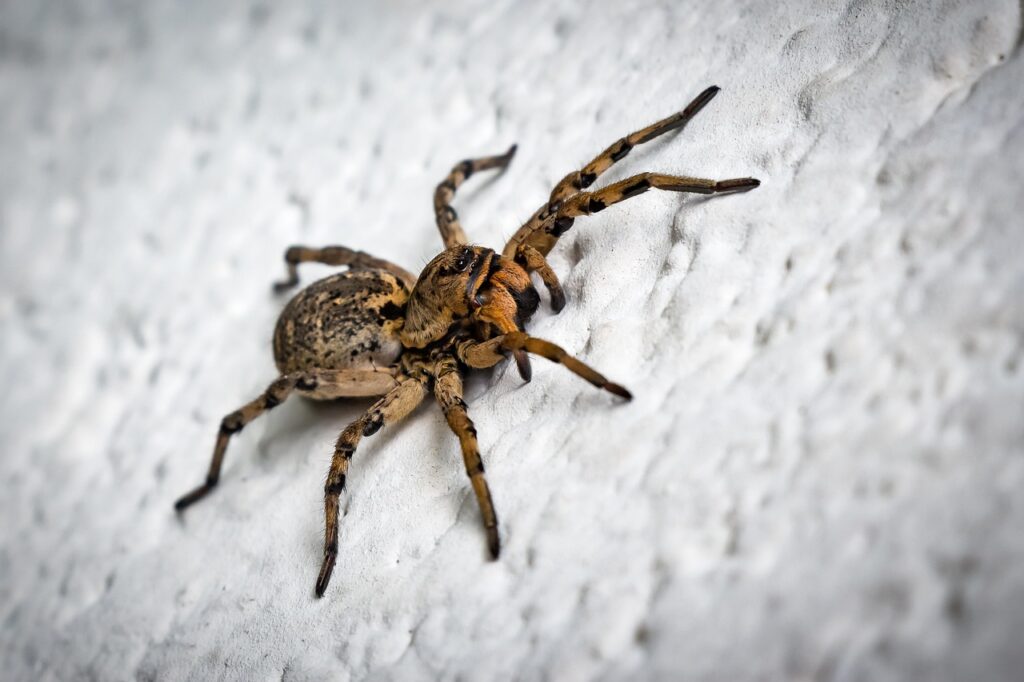
- Introducing distorted creatures inspired by spiders, insects, or snakes
- Using darkness and silence to heighten fear of the unknown
- Creating situations where characters lose control or become trapped
- Combining emotional trauma with physical fear triggers
- Turning everyday environments into threatening spaces
These techniques work best when they support the overall story rather than existing purely for shock value. Readers should feel that the fear grows naturally from the narrative and character experiences.
Avoiding overused horror clichés

While personal phobias can strengthen horror stories, writers should avoid relying too heavily on predictable scare tactics. Readers are familiar with many common horror formulas, and repeating them without variation can weaken the emotional impact.
Instead of using a phobia in the most obvious way, writers should think about how fear affects the character psychologically. The emotional consequences of fear can often be more disturbing than the physical threat itself. A character’s paranoia, helplessness, or growing obsession may become the true source of horror.
Writers should also avoid overexplaining the fear. Leaving some uncertainty allows readers to imagine dangers for themselves. Fear of the unknown remains one of the strongest tools in horror writing because readers naturally fill in the blanks with their own anxieties.
It is also important to balance horror with character development. Readers become more emotionally invested when they care about the people experiencing the fear. A terrifying scene becomes far more effective when the audience genuinely worries about the character involved.
Fear That Stays With the Reader
The most effective horror stories are not always the bloodiest or loudest. Often, they are the stories that quietly tap into fears readers already carry within themselves. By using personal phobias thoughtfully, writers can create scenes that feel intimate, believable, and emotionally powerful.
Horror becomes unforgettable when readers see fragments of their own fears reflected on the page. Whether exploring fear of darkness, isolation, death, or losing control, writers who understand emotional fear can craft stories that linger long after the final chapter ends.
For horror writers, personal phobias are more than simple scare devices. They are emotional gateways into the minds of readers, allowing fiction to become a deeply immersive and unsettling experience.