5 Reasons Horror Authors Love Writing About Abandoned Places
 Shaun M Jooste
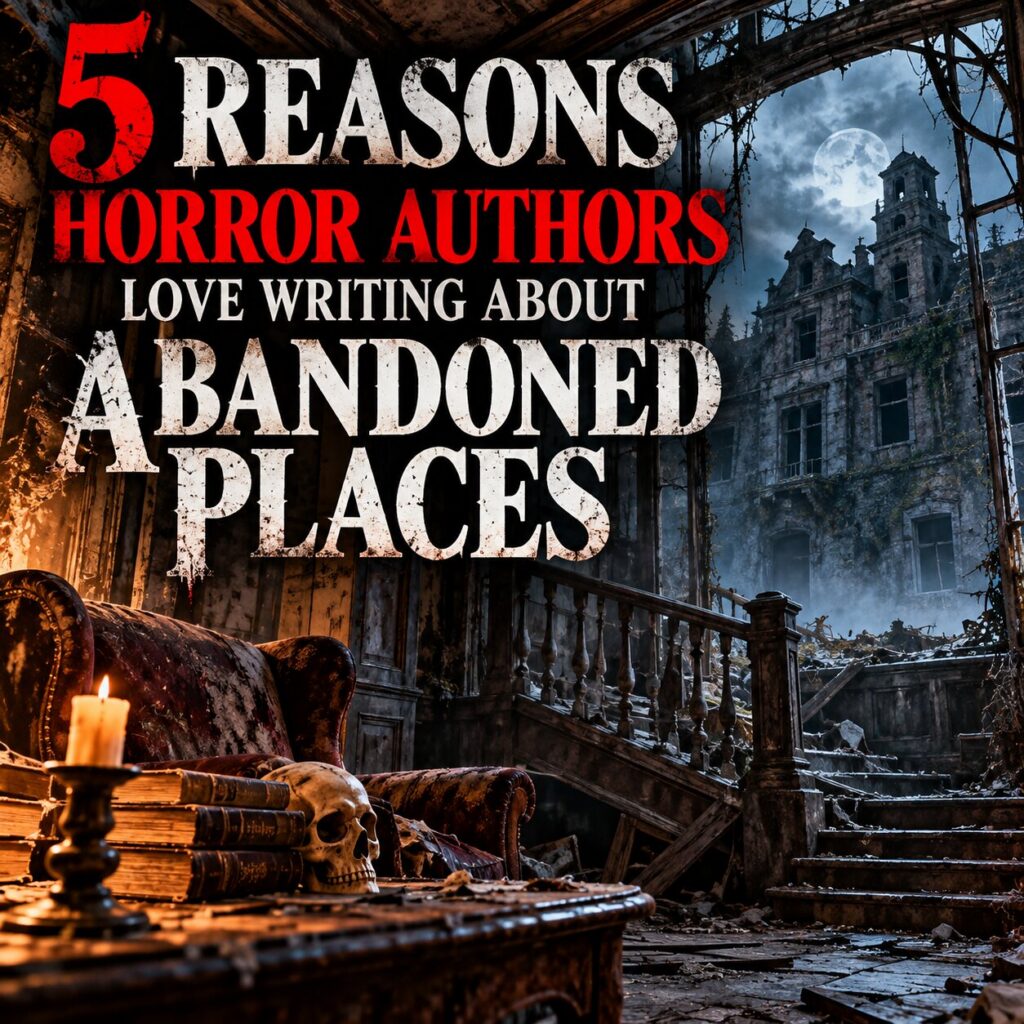
Abandoned places have fascinated horror authors for generations. From forgotten hospitals to decaying mansions, these locations provide the perfect setting for supernatural encounters, psychological terror and unsettling mysteries. But what makes them so effective in horror fiction?
1. They Create an Immediate Sense of Dread
An abandoned building tells readers that something has gone wrong. Broken windows, empty corridors and peeling wallpaper suggest a history that has been forgotten or deliberately concealed.
Even before a monster appears, the environment creates tension.
2. Every Building Has a Story
Abandoned places invite questions. Who lived there? Why did they leave? What happened behind those locked doors?
Horror authors use these mysteries to build suspense, gradually revealing disturbing secrets through the setting itself.
3. Isolation Makes Characters Vulnerable
A deserted hospital or remote manor offers few opportunities for help. Characters must confront their fears without relying on the safety of civilisation.
This isolation makes even ordinary sounds feel threatening.
4. Familiar Places Become Unfamiliar
Hospitals, schools and family homes are normally associated with safety or routine. When abandoned, they become distorted versions of something recognisable.
That contrast can be more frightening than an entirely imaginary location.
5. The Setting Can Become a Character
Some abandoned places feel almost alive. Their corridors seem to shift, their walls conceal secrets and their histories influence everyone who enters.
In supernatural horror, the building itself might even be the enemy.
Where Forgotten Places Find New Life
Abandoned locations offer horror authors more than atmospheric backgrounds. They become powerful storytelling tools that transform forgotten spaces into unforgettable nightmares.