Why Abandoned Orphanages Are So Terrifying in Horror Fiction
 Shaun M Jooste
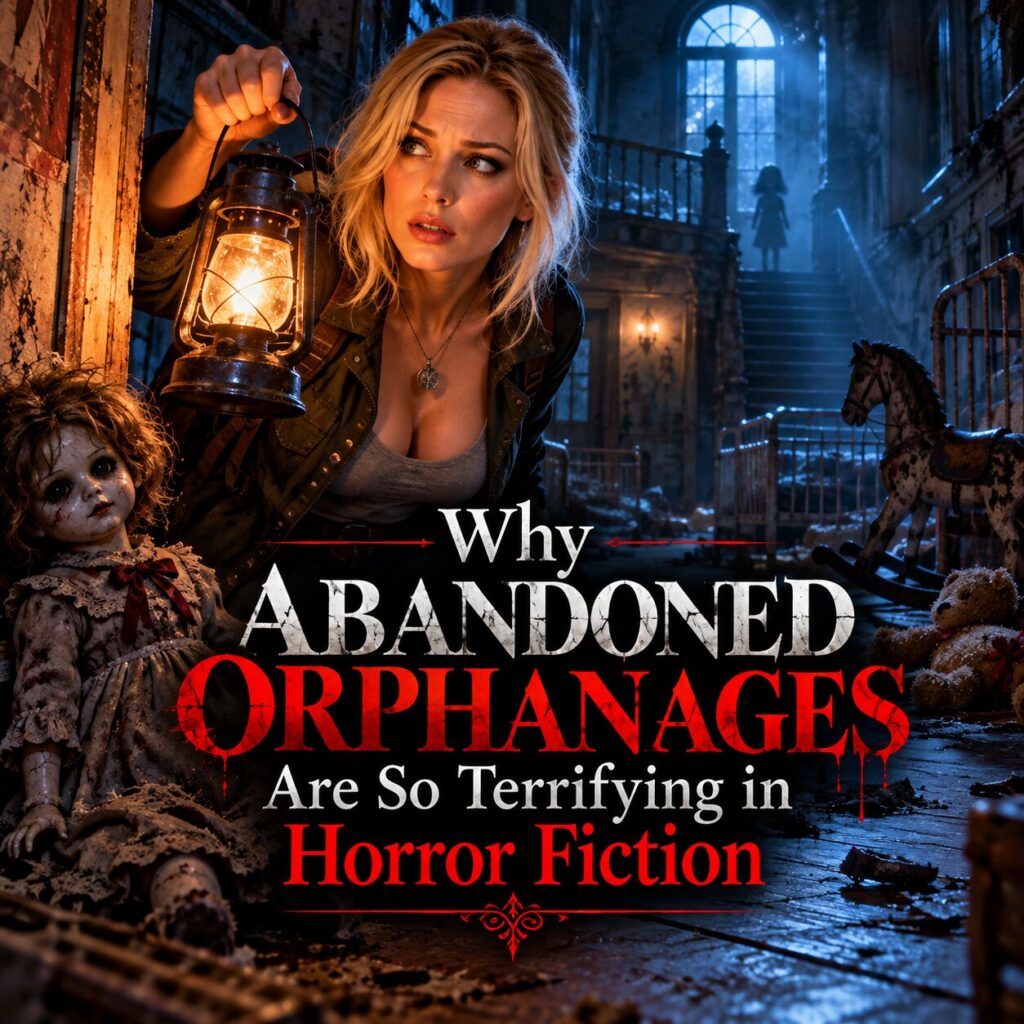
Abandoned orphanages have become some of the most unsettling locations in supernatural horror. Their empty corridors, forgotten toys, and silent bedrooms create an atmosphere where childhood innocence collides with something far more sinister. But what makes these places so frightening?
Where Innocence Meets Fear
An orphanage should represent safety, care, and protection. When that sanctuary becomes abandoned or corrupted, it creates a disturbing contrast. Empty beds, dusty dolls, and faded children’s drawings suggest stories that were never properly finished.
Horror writers exploit this emotional contradiction. Readers instinctively associate childhood with vulnerability, making supernatural threats in these settings particularly disturbing.

When the Building Remembers
In Sacred Valley: Obversion, Misthaven Orphanage becomes a place where childhood fears take monstrous forms. Cassandra must confront terrifying supernatural threats, including the twisted remnants of toys and other creatures lurking within the building.
The setting becomes more than a backdrop. Every room carries the possibility of danger, while the building’s history contributes to the psychological horror.
The Horror of Forgotten Childhoods
Abandoned orphanages frighten us because they represent broken promises of protection. When supernatural forces occupy these forgotten spaces, the horror becomes both physical and emotional.
Sometimes, the most frightening monsters are those hiding where children once felt safe.