The Art of Stand-Up Comedy and Making Audiences Laugh Live
 Shaun M Jooste
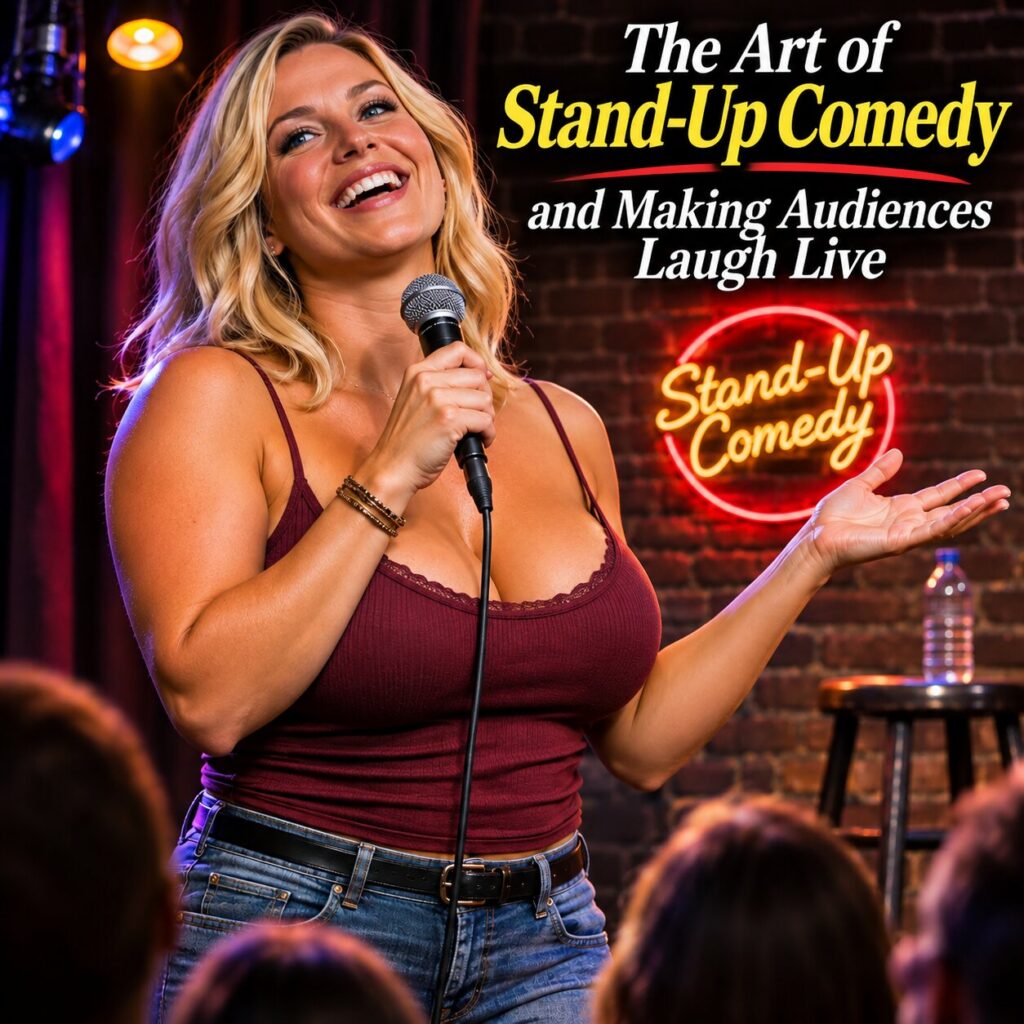
Stand-up comedy is one of the most immediate forms of storytelling. A performer steps onto a stage with little more than a microphone, a collection of observations and the hope that an audience will laugh. Unlike books, films or television programmes, live comedy depends on an instant connection between the storyteller and the people listening.
Why Stand-Up Comedy Is a Unique Art Form
A stand-up comedian must be a writer, performer and storyteller simultaneously. Every joke needs a premise, a carefully constructed setup and a punchline that surprises the audience. However, the words alone rarely determine whether the joke succeeds.
Delivery changes everything. A pause before a punchline can create anticipation, while a facial expression or unexpected gesture can transform an ordinary observation into a memorable moment. The comedian also needs to understand the room, adjusting the performance according to the audience’s reactions.
Writing Jokes That Work on Stage
Successful stand-up routines often begin with everyday experiences. Relationships, family life, work frustrations and social misunderstandings provide familiar situations that audiences can recognise. The comedian then introduces an unexpected perspective that changes how people interpret those experiences.
A strong routine usually builds around a central idea rather than presenting unrelated jokes. Callbacks can bring earlier punchlines back into the performance, rewarding attentive listeners. Repetition, exaggeration and misdirection also help establish comedic patterns before deliberately breaking them.

The Importance of Timing and Audience Interaction
Comedy timing is difficult to master because audiences rarely respond in identical ways. A joke that produces immediate laughter during one performance might receive a delayed reaction during another. Experienced comedians learn to recognise these differences without losing confidence or rushing their material.
Audience interaction introduces another challenge. Some comedians invite spontaneous conversations, turning unexpected responses into improvisational opportunities. However, successful crowd work requires listening carefully and ensuring that the interaction contributes to the show rather than distracting from it.
What Happens When a Joke Fails?
Even experienced comedians encounter jokes that receive little or no laughter. The difference lies in how they respond. Some acknowledge the silence with a playful remark, while others move directly into the next section of their routine.
Open-mic performances provide opportunities to test new material and identify weaknesses. Comedians can record their sets, review audience reactions and refine individual jokes. This process resembles editing a manuscript, except the feedback arrives immediately and publicly.
Why Live Comedy Continues to Matter
Stand-up comedy offers something that recorded entertainment cannot fully reproduce. Every performance exists in a particular moment, shaped by the audience, the venue and the comedian’s decisions. Even familiar routines can develop differently when unexpected laughter changes the rhythm of the show.
For writers, stand-up offers valuable lessons in concise storytelling, characterisation and audience expectations. Above all, it demonstrates that effective humour depends on understanding people and finding surprising ways to reflect their experiences.