Writer’s Listening Workbook Now Available Worldwide
 Shaun M Jooste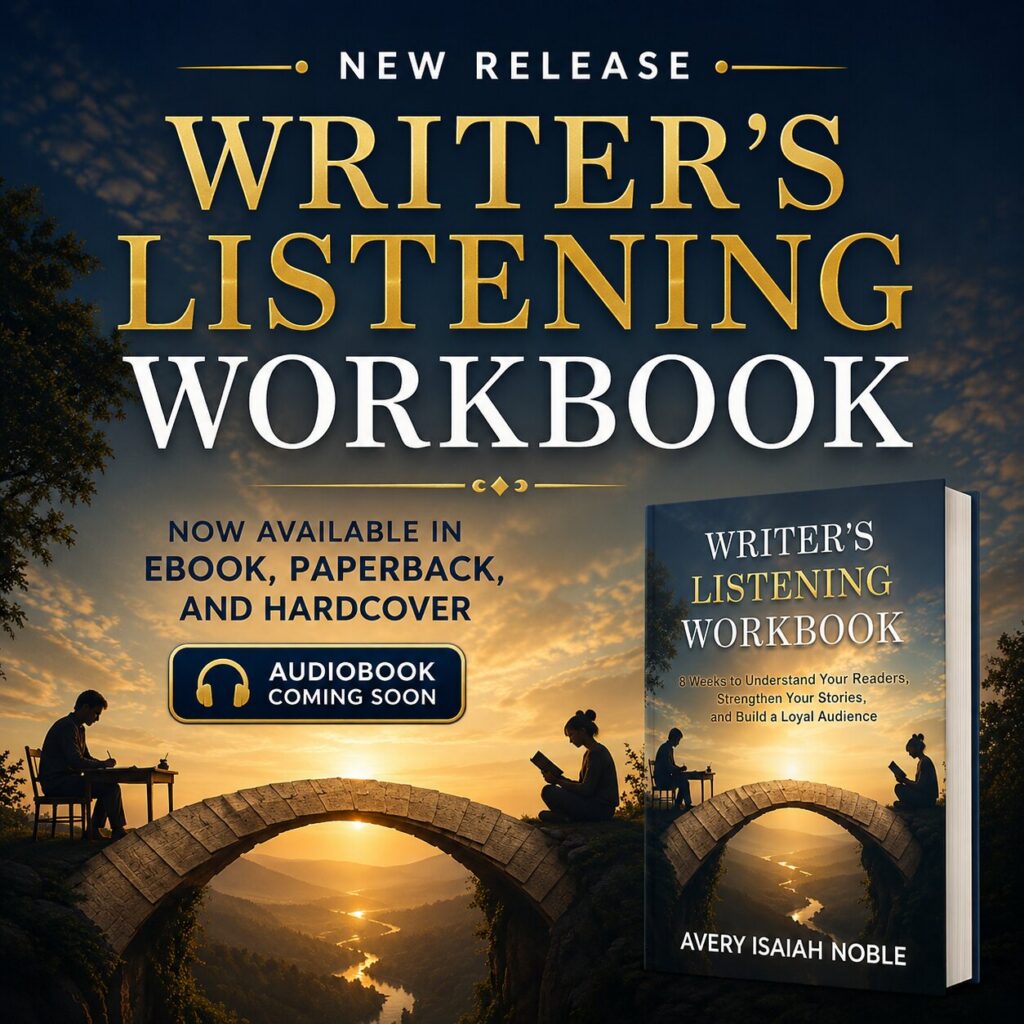
Many writers spend years learning how to write better stories, yet few spend time learning how readers actually experience those stories. The result is often frustration. A manuscript may be technically sound, the characters may feel real to the author, and the plot may unfold exactly as intended, yet readers can still walk away feeling disconnected.
This gap between author intention and reader experience is one of the most common challenges in modern writing. It affects new writers and experienced authors alike. Understanding why it happens can transform the way writers approach their craft.
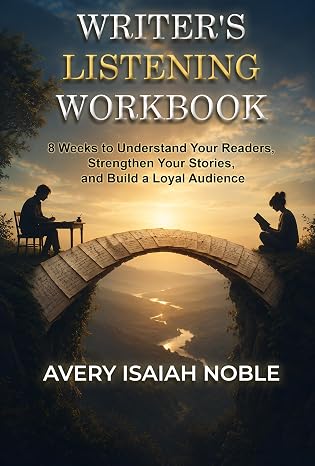
Writer’s Listening Workbook by Avery Isaiah Noble has been designed to address this challenge directly. Now available in ebook, paperback, and hardcover formats, the workbook offers an eight-week guided programme that helps writers develop a deeper understanding of their readers and create stories that resonate more effectively.
Why Writers Often Struggle To Connect With Readers
Writing is naturally a personal process. Authors spend weeks, months, or even years immersed in their stories. They know the characters, understand the themes, and carry emotional connections to every chapter. Readers, however, approach the story from an entirely different perspective.
Because of this difference, writers can unknowingly create gaps between what they intend to communicate and what readers actually experience. Important emotional moments may not land as expected. Character motivations may appear unclear. Themes that feel obvious to the writer may go unnoticed by readers.
Many authors respond by rewriting endlessly, searching for solutions without fully understanding the source of the problem. This can lead to frustration, self-doubt, and creative burnout.
Learning to listen to readers provides a more productive path forward. Rather than guessing what is wrong, writers can begin identifying patterns, understanding audience responses, and making informed creative decisions.
What Readers Can Teach Writers
The workbook focuses on developing a stronger awareness of reader experiences and feedback. Instead of treating reader responses as criticism, it encourages writers to view them as valuable information.
Through guided exercises, authors learn how to recognise recurring patterns in feedback, identify emotional responses, and understand the reasons readers react the way they do. This creates opportunities for meaningful growth without sacrificing creative vision.
Writers are also encouraged to explore their own assumptions and creative blind spots. By becoming more aware of these influences, they can better understand how their choices affect readers and shape audience engagement.
The result is a healthier relationship with feedback and a clearer understanding of how stories are received in the real world.
Key Skills Developed Throughout The Programme
Over the course of eight weeks, writers are introduced to practical tools and frameworks that can be applied to future projects.
Participants will learn how to:
- Identify hidden disconnects between author intention and reader experience
- Explore personal motivations and creative blind spots
- Analyse stories using the Intended Story versus Experienced Story framework
- Evaluate character authenticity and consistency
- Understand genre expectations while maintaining an individual voice
- Apply the Signal versus Noise Method when reviewing feedback
- Study reviews for audience insights and emotional triggers
- Observe reader communities and discussion trends
- Build long-term systems for audience understanding
- Strengthen reader loyalty through deeper audience awareness
These skills are designed to support both current and future writing projects, creating lasting benefits beyond a single manuscript.
Building Stronger Relationships With Readers
Successful writing is about more than telling a story. It is also about creating an experience that readers remember and connect with long after they finish the final page.
Developing this connection requires more than technical skill alone. It requires curiosity, empathy, and a willingness to understand how readers engage with the work. By learning to listen effectively, writers gain access to insights that can improve storytelling, strengthen audience relationships, and increase reader satisfaction.
Rather than relying on assumptions, authors can begin making decisions based on real audience experiences. This leads to more focused revisions, stronger manuscripts, and greater confidence throughout the writing process.
Available Now
Writer’s Listening Workbook is an invaluable resource for first-time novelists, independent authors, and experienced writers seeking a deeper understanding of their audience. Its practical exercises, structured programme, and reader-focused approach offer a unique perspective on the writing journey.
Now available in ebook, paperback, and hardcover formats, with an audiobook edition coming soon, the workbook provides writers with an opportunity to strengthen one of the most important skills in publishing success: listening. By understanding readers more effectively, authors can create stories that leave a lasting impression and build the loyal audience their work deserves.
Do You Have A Story To Share?
Every successful author starts with an idea worth sharing. Whether you are working on your first manuscript or preparing your next release, professional publishing support can help bring your vision to readers around the world.
If Writer’s Listening Workbook has inspired you to take the next step in your writing journey, why not explore the possibilities for your own book? From editing and formatting to publishing and distribution, the right guidance can make the process smoother and more rewarding.
Do you have a similar story to tell? Check out our book publishing services and discover how Celenic Earth Publications can help turn your manuscript into a professionally published book. Your story deserves to be heard.