The Power of Plot Twists in Horror Writing
 Shaun M Jooste
The horror genre has always relied on suspense, fear, and emotional tension to keep readers engaged. One of the most effective ways to achieve this is through the use of plot twists in horror. A powerful twist can completely reshape a story, forcing readers to rethink everything they believed from the beginning.
Many of the most iconic horror stories are remembered because of their shocking reveals. Readers enjoy the feeling of being misled in clever ways, especially when the truth has been hidden in plain sight. Effective plot twists in horror create a mixture of fear, excitement, and disbelief that leaves a lasting impression.
Writers often use twists to deepen psychological tension. A haunted house may not truly be haunted. The victim may secretly be the villain. The protagonist may have been trapped in a nightmare from the start. These moments create emotional impact because they challenge the reader’s expectations.
Strong twists also encourage readers to revisit earlier chapters to search for clues they missed. This replay value is one of the reasons why plot twists in horror continue to be such an important part of the genre across books, films, and games.
Building Suspense Before the Reveal
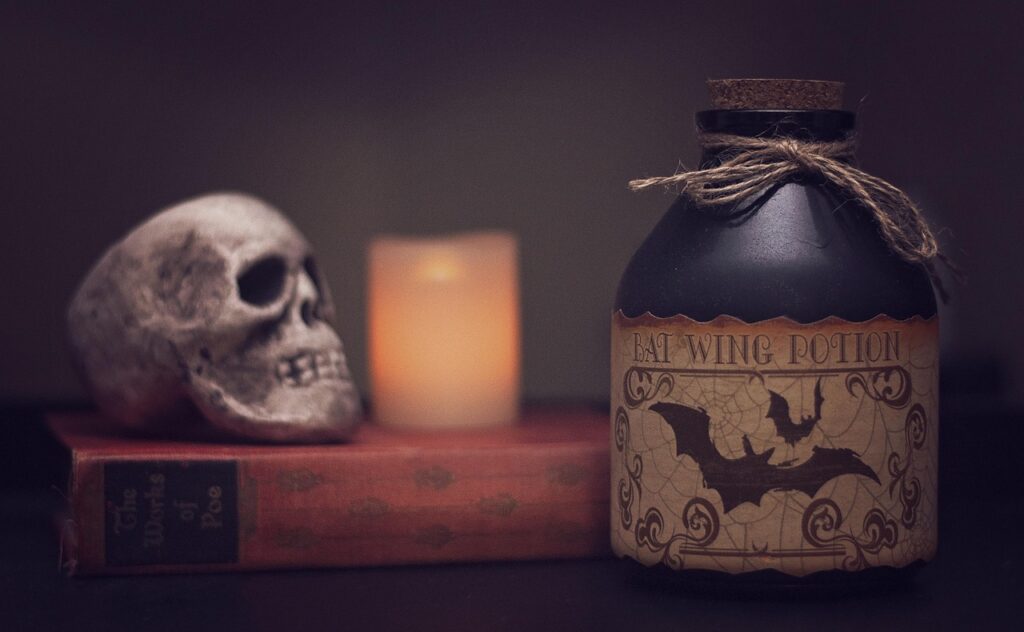
A great horror twist does not appear out of nowhere. The best plot twists in horror are carefully built through subtle hints, suspicious dialogue, strange behaviour, and eerie atmosphere. Readers should feel surprised, but the twist must still make sense within the story’s world.
Suspense plays a major role in preparing readers for the reveal. Horror writers often use pacing to slowly increase tension before delivering the shocking moment. Small details that seem unimportant early on can become major clues later in the story.
Atmosphere is equally important. Dark settings, unsettling sounds, strange dreams, or recurring symbols can quietly warn readers that something is wrong. These details help create anticipation while supporting the emotional power of plot twists in horror.
Writers should also avoid relying only on shock value. A twist becomes more meaningful when it connects to the characters’ fears, regrets, or secrets. Emotional storytelling gives horror twists greater depth and makes the experience more memorable for readers.
Common Types of Horror Plot Twists
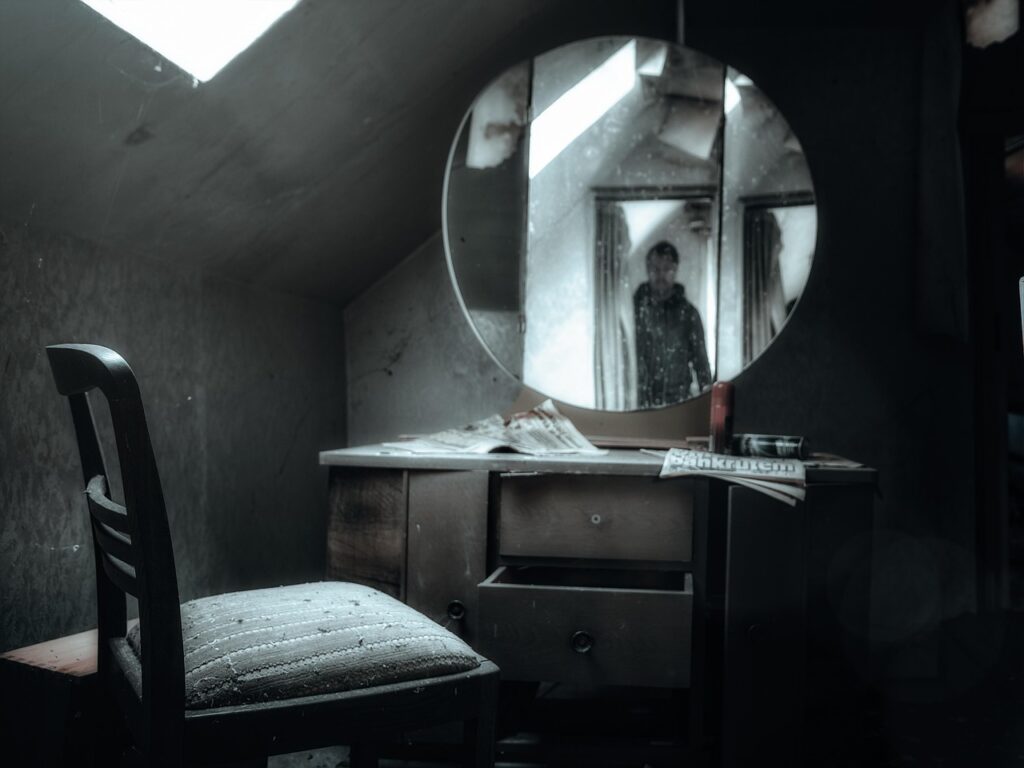
There are many ways writers use plot twists in horror to surprise readers and create fear. Some twists focus on identity, while others completely change the nature of the story itself.
Popular horror twist ideas include:
- The protagonist was dead all along
- The monster is connected to the main character
- The safe location was never safe
- The villain was manipulating events from the beginning
- The supernatural threat was actually human
- The narrator cannot be trusted
- A missing character was secretly behind the tragedy
These types of reveals remain popular because they challenge reader expectations while adding emotional or psychological complexity to the story.
Why Twists Keep Horror Memorable
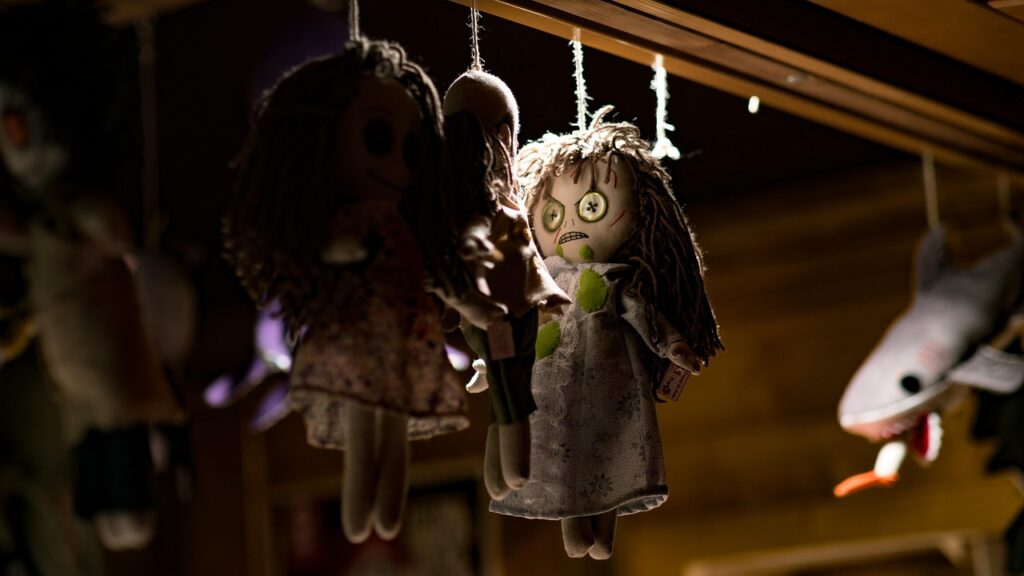
Readers often remember horror stories because of the emotions they felt during the final reveal. Effective plot twists in horror can transform a simple ghost story or thriller into something unforgettable. They create discussion, encourage theories, and leave readers thinking about the story long after finishing it.
Modern horror continues to experiment with new kinds of twists, especially in psychological horror and cosmic horror. Writers are finding creative ways to surprise audiences who are already familiar with traditional horror formulas. This constant evolution keeps the genre fresh and exciting.
The key to successful plot twists in horror is balance. The reveal should feel unexpected while still fitting naturally into the story. Readers should experience shock without feeling cheated. Achieving this balance requires careful planning, believable characters, and strong pacing.
For horror writers, mastering twists can elevate storytelling to a new level. A terrifying creature may scare readers for a moment, but a brilliant twist can haunt them for years.
Fear That Lingers Beyond the Final Page
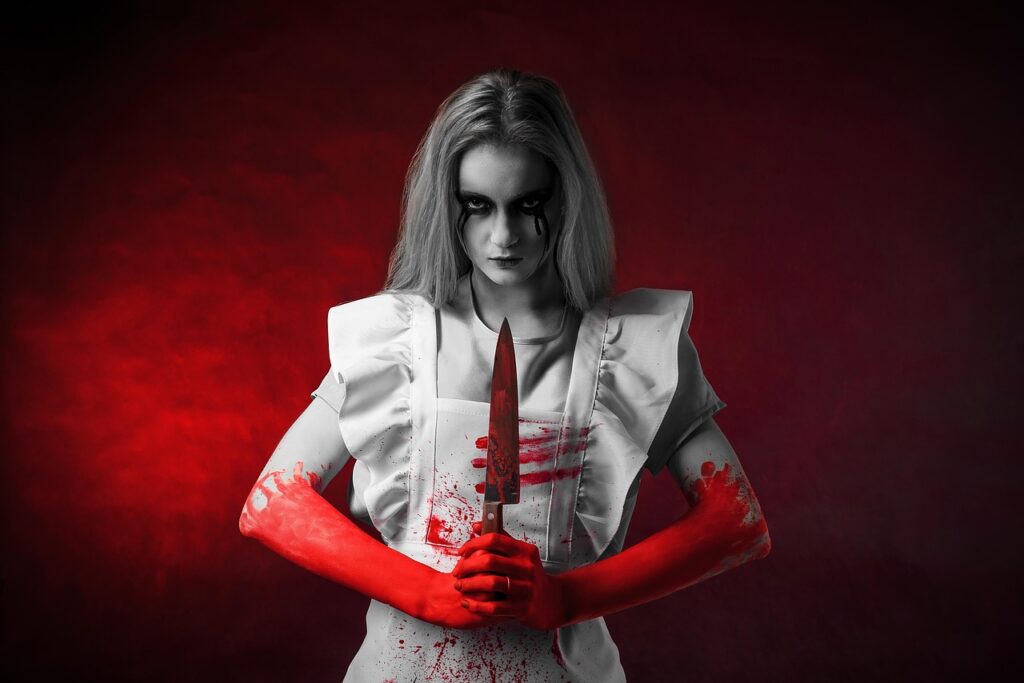
The greatest horror stories are not always the bloodiest or most violent. Often, they are the stories that completely change our understanding in the final moments. That is why plot twists in horror remain one of the most powerful tools in storytelling.
Whether exploring supernatural mysteries, psychological terror, or dark secrets hidden beneath the surface, horror writers can use twists to create unforgettable experiences. Readers crave stories that surprise them, disturb them, and force them to question everything they thought they knew.
If you enjoy horror fiction, storytelling insights, and creative worlds filled with suspense, explore more through Celenic Earth Publications.