Writing Gory and Impactful Horror Scenes
 Shaun M Jooste
Horror fiction has always pushed boundaries, forcing readers to confront fear, pain, and the darker side of humanity. Some horror writers lean into psychological terror, while others embrace brutal and visceral moments that leave readers shocked and unsettled. However, writing gory scenes is far more complicated than simply describing blood and violence. Effective horror scenes need emotional impact, tension, and purpose behind every horrifying detail.
Many beginner horror writers make the mistake of believing that excessive gore automatically creates fear. In reality, meaningless violence often becomes repetitive and loses its power quickly. Readers become desensitised when every chapter tries to outdo the previous one with more brutality. The best horror stories understand when to hold back and when to strike with devastating force.
In this Horror Writing Guide, we explore how to write gory and impactful horror scenes that feel disturbing, memorable, and emotionally effective without losing your readers along the way.
Understanding the purpose behind gore
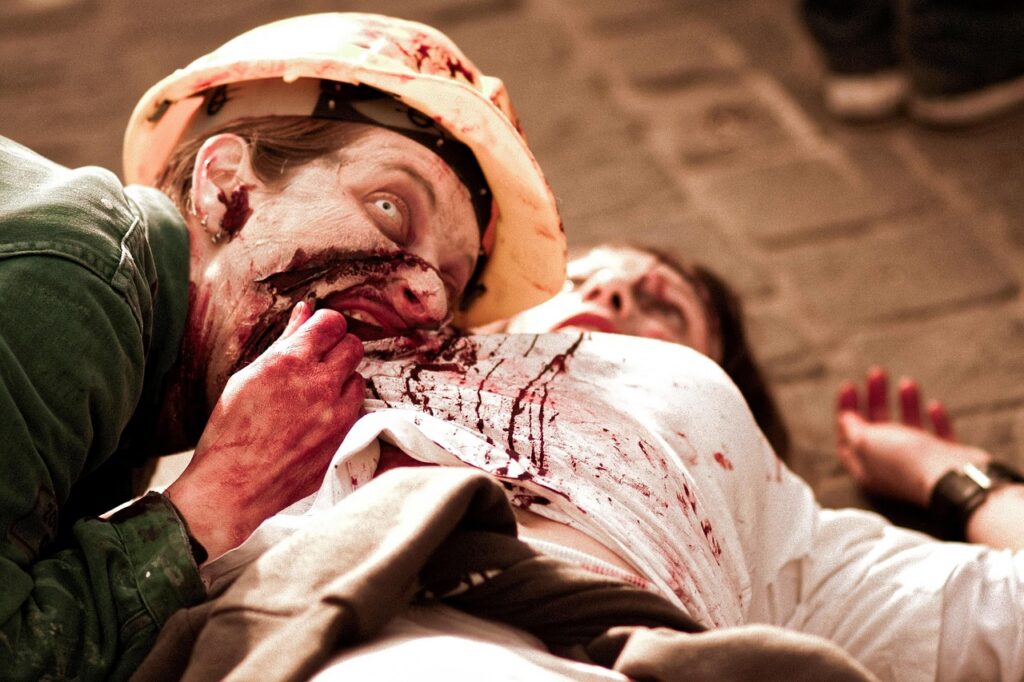
Gore should never exist purely for shock value alone. The most powerful horror scenes use violence to reinforce character development, atmosphere, themes, or emotional trauma. Readers remember scenes that emotionally affect them far more than scenes that are only graphic.
Think about how a horrifying moment changes the protagonist. A gruesome encounter may leave a survivor traumatised, physically scarred, or emotionally broken. The violence becomes meaningful because it alters the story and its characters. In psychological horror especially, gore can symbolise guilt, punishment, corruption, or fear.
Another important factor is pacing. Constant gore removes tension because readers begin expecting it on every page. Horror writers should build suspense carefully before unleashing violent moments. Anticipation often creates more dread than the actual act itself. The reader’s imagination becomes part of the horror experience.
Writers should also remember that less can sometimes be more. A single disturbing detail described at the right moment can feel far more horrifying than paragraphs of excessive description. Suggestion and implication remain powerful tools in horror storytelling.
Creating sensory immersion without overdoing it
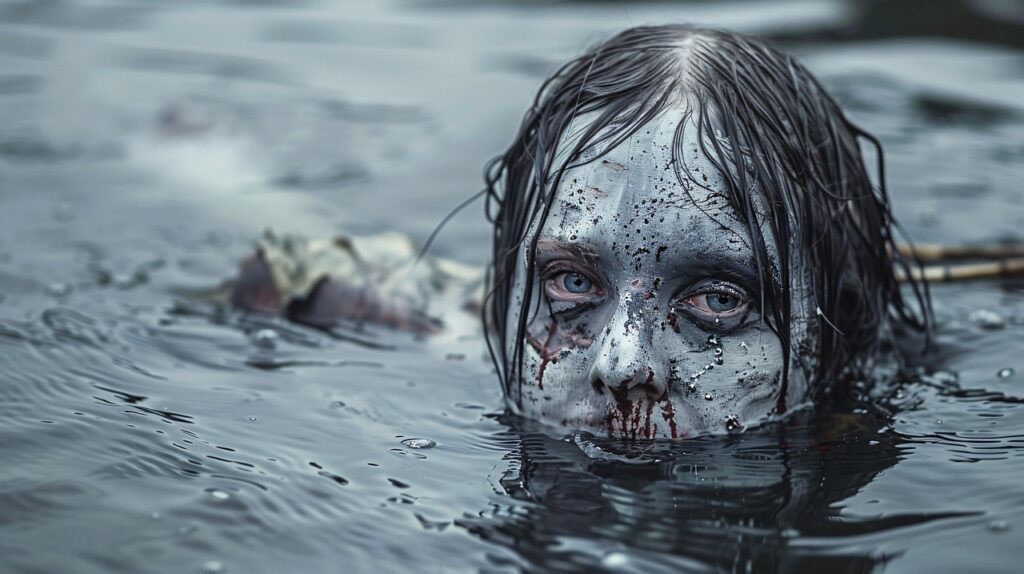
Impactful horror scenes rely heavily on sensory immersion. Readers should feel as if they are trapped inside the nightmare alongside the characters. This does not mean endlessly describing gore in graphic detail, but rather creating an overwhelming emotional and physical atmosphere.
Sight is naturally important in horror, but writers should also focus on sound, smell, texture, and even temperature. A wet crunch beneath a character’s feet, the metallic smell of blood in a hallway, or cold breath in a silent room can intensify a scene dramatically. These smaller details help readers visualise the horror naturally.
Good horror writing also focuses on character reactions. Fear, panic, nausea, trembling hands, or emotional numbness make scenes feel believable. Readers connect more deeply when they understand how the horror affects the people experiencing it. Emotional realism often matters more than graphic realism.
Dialogue can also strengthen these scenes. Characters may struggle to speak properly, whisper in panic, or completely lose their composure. Silence itself can become terrifying when used correctly. Sometimes what characters refuse to say creates more tension than explicit descriptions ever could.
Common mistakes horror writers should avoid

Many horror writers accidentally weaken their scenes by relying too heavily on gore without proper storytelling support. Here are some common problems to avoid:
- Using graphic violence too frequently throughout the story
- Describing every injury in unnecessary detail
- Forgetting emotional reactions from characters
- Repeating the same type of gore repeatedly
- Sacrificing atmosphere for shock value
- Turning serious horror moments into accidental comedy
- Ignoring pacing and tension before violent scenes
Another common issue is inconsistency in tone. A deeply serious horror story can lose impact if scenes suddenly become exaggerated or unrealistic without purpose. Writers need to decide whether they want grounded horror, surreal horror, or over-the-top splatter horror and remain consistent throughout the story.
It is also important to avoid making every death feel identical. Different characters should experience horror differently depending on their personalities, fears, and relationships. Emotional variety keeps readers invested in the narrative.
Finally, horror writers should understand their audience. Some readers enjoy extreme horror and splatterpunk fiction, while others prefer psychological dread with only occasional violent moments. Understanding genre expectations helps shape how graphic your scenes should become.
Balancing fear, emotion, and brutality
The strongest horror scenes combine fear, emotion, and brutality together into one unforgettable experience. Readers should not only witness horror but also feel emotionally connected to what is happening. Without emotional investment, even the most graphic scene becomes hollow spectacle.
One way to achieve this balance is by focusing on consequences rather than just violence itself. A survivor cleaning blood from their hands after a traumatic event can sometimes feel more haunting than the attack that caused it. Lingering emotional fallout gives horror lasting weight.
Writers should also vary the type of horror throughout the story. Moments of psychological tension, mystery, paranoia, and dread can make bursts of gore feel far more effective. Constant intensity eventually exhausts readers, while contrast keeps horror unpredictable and engaging.
Character vulnerability is equally important. Readers fear more when they believe characters can genuinely suffer or fail. Invincible protagonists weaken horror immediately. Physical weakness, emotional trauma, isolation, and uncertainty all increase the impact of violent scenes.
Leaving readers haunted long after the final page
Great horror scenes remain with readers because they create emotional scars alongside terrifying imagery. Gore becomes impactful when it supports atmosphere, character development, and psychological tension instead of replacing them. Horror writers should aim to disturb readers emotionally rather than simply shocking them visually.
The most memorable horror stories understand restraint, timing, and emotional realism. Whether writing supernatural horror, creature horror, slasher fiction, or psychological nightmares, impactful scenes are built on tension and meaning first. Violence is merely the final release of that carefully built dread.
For horror writers looking to improve their craft, mastering this balance can elevate a story from forgettable splatter into something truly haunting.