The Growing Popularity of Serialised Storytelling and Web Novels
 Shaun M Jooste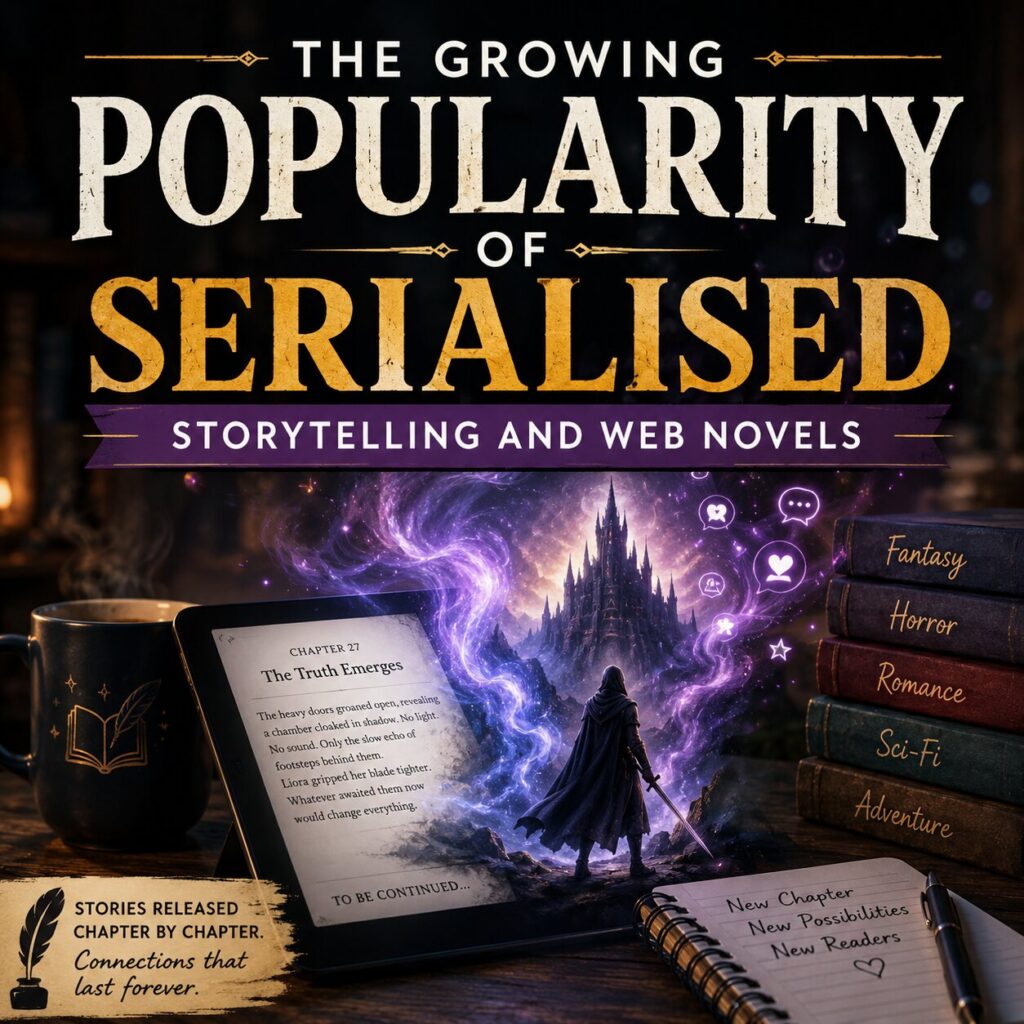
The way readers consume stories has changed dramatically over the last decade. While traditional novels remain popular, serialised storytelling and web novels have carved out a rapidly expanding space in the publishing world. Readers are no longer limited to waiting years between books or relying solely on physical releases from major publishers. Instead, they can follow stories chapter by chapter online, engaging with authors and communities in real time.
Platforms dedicated to serialised fiction have helped shape a new generation of readers who enjoy frequent updates, ongoing suspense, and direct interaction with creators. Genres like fantasy, horror, romance, science fiction, and thriller fiction have especially benefited from this format, allowing writers to build loyal audiences over time. Many readers now enjoy following stories as they unfold, much like television audiences follow episodic series.
Serialised storytelling also gives independent authors greater freedom. Writers can experiment with pacing, structure, and reader feedback while building anticipation between chapters. This approach has created exciting opportunities for both established authors and newcomers entering the literary world.
Why Serialised Storytelling Works So Well
One of the biggest strengths of serialised storytelling is its ability to keep readers consistently engaged. Instead of reading a full novel over a few days and moving on, audiences return regularly for new chapters and developments. This creates a stronger connection between the story and the reader.
The episodic nature of web novels naturally encourages suspense and cliffhangers. Each chapter often ends with a mystery, revelation, or emotional turning point that motivates readers to return for the next instalment. This format mirrors the structure used successfully in television shows and streaming series.
Another reason for serialised storytelling popularity is accessibility. Readers can follow stories online from almost anywhere in the world, often at little or no cost. Smartphones, tablets, and eReaders have made consuming serialised fiction incredibly convenient for modern audiences.
For authors, serialisation can also reduce creative pressure. Instead of completing an entire novel before publication, writers can release chapters incrementally while refining future developments. Reader feedback may even help shape parts of the story along the way.
How Web Novels Are Changing Publishing
The rise of web novels has challenged many traditional publishing expectations. Writers no longer need to rely solely on publishing houses to reach audiences. Independent creators can build communities directly through websites, apps, newsletters, and social media platforms.
Several major trends for serialised storytelling have emerged from this shift:
- Faster release schedules keep readers engaged for longer periods.
- Reader communities form around theories, discussions, and fan content.
- Authors can test ideas before committing to full-length novels.
- Stories can evolve organically based on audience response.
- Smaller creators gain visibility without massive marketing budgets.
This model has also opened doors for niche genres that may struggle in mainstream publishing. Horror hybrids, LitRPG stories, progression fantasy, supernatural thrillers, and experimental fiction all thrive within serialised platforms because dedicated audiences can discover them more easily online.
Publishers themselves are beginning to recognise the value of serialisation again. Some companies now scout popular web novels for full publication deals, audiobooks, comics, or even streaming adaptations. What once seemed like an alternative format is steadily becoming a mainstream storytelling approach.
Chronicles of Betrayal as a Modern Example
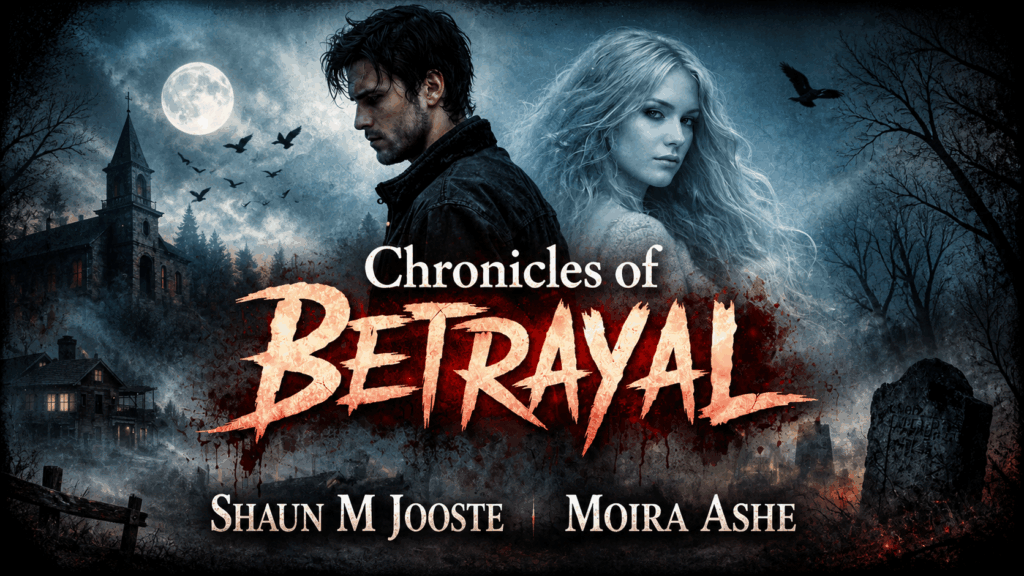
A strong example of modern serialised storytelling is Chronicles of Betrayal by Shaun M Jooste and Moira Ashe. The supernatural horror series combines psychological tension, dark fantasy elements, and episodic chapter releases that encourage readers to return regularly for new developments.
The series follows characters trapped within the mysterious and terrifying world of Sacred Valley, blending atmospheric horror with emotional storytelling. By releasing chapters progressively, the story creates anticipation between instalments while giving readers time to discuss theories and character developments.
Serialised fiction works particularly well for horror because suspense benefits from pauses between chapters. Readers have time to think about the dangers ahead, speculate about mysteries, and emotionally process shocking moments before the next chapter arrives. This creates a stronger immersive experience than simply consuming the entire story at once.
Projects like Chronicles of Betrayal also demonstrate how independent creators can build momentum through consistent releases and audience engagement. Rather than waiting years between books, readers remain connected to the world and its characters throughout the ongoing experience.
The Future of Episodic Fiction
Serialised storytelling is unlikely to disappear anytime soon. Modern readers enjoy convenience, community interaction, and ongoing entertainment experiences, all of which web novels provide exceptionally well. As digital publishing continues to evolve, more authors are likely to experiment with episodic fiction formats.
The growing crossover between books, streaming entertainment, gaming culture, and online communities also supports the rise of serialised fiction. Readers increasingly seek long-term immersive worlds they can revisit regularly, much like fans of television franchises or live-service games.
For writers, serialised storytelling offers flexibility, audience growth opportunities, and creative freedom that traditional publishing alone may not always provide. Whether through horror, fantasy, romance, or science fiction, web novels are proving that storytelling continues to evolve alongside technology and reader habits.
As more readers discover the excitement of following stories chapter by chapter, serialised fiction may become one of the defining literary formats of the modern digital era.