Comedy in Fantasy: Adding Humour to Magical Worlds
 Shaun M Jooste
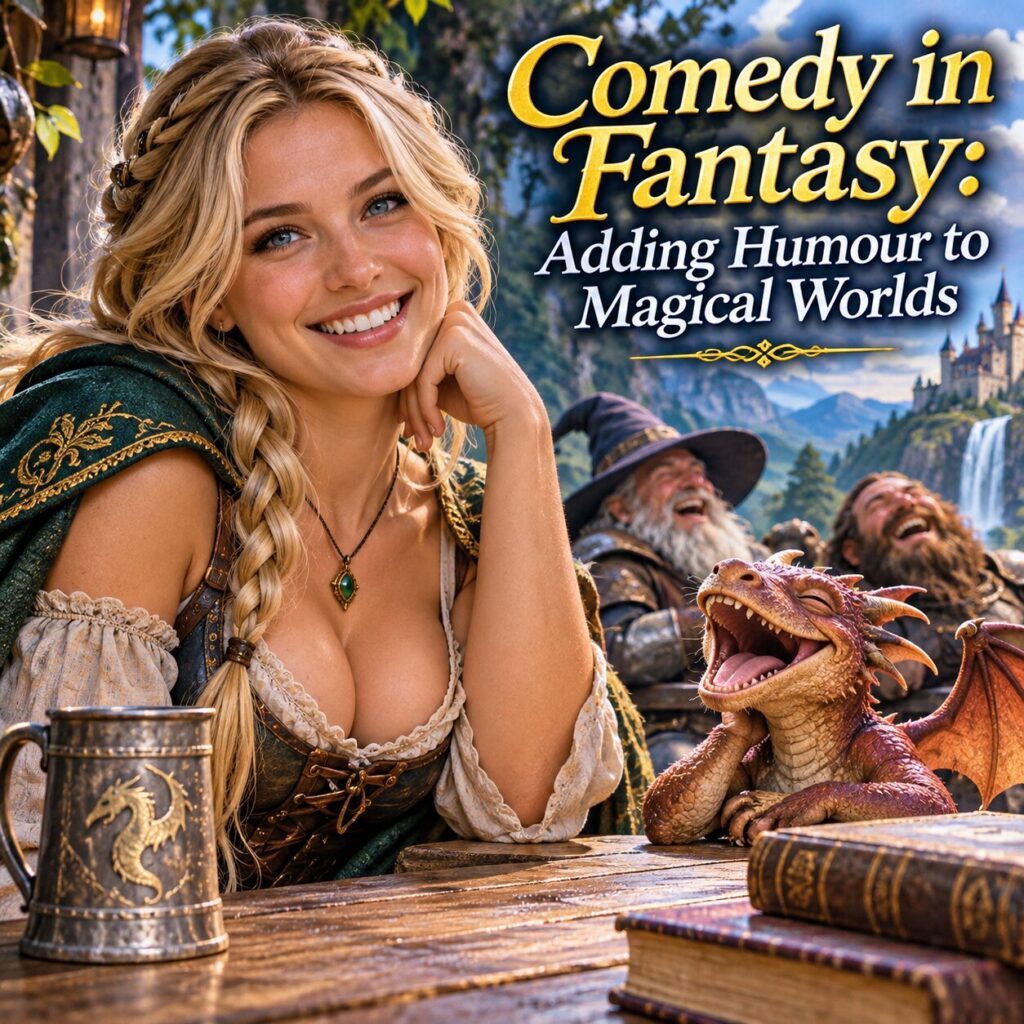
Fantasy is a genre filled with ancient prophecies, powerful sorcerers, dangerous creatures and quests that could determine the fate of entire kingdoms. Yet even the darkest fantasy worlds can benefit from a little laughter. Comedy in fantasy offers writers opportunities to entertain readers, develop memorable characters and introduce moments of relief between dramatic events.
Humour does not have to undermine a fantasy story’s seriousness. When used effectively, it can strengthen emotional connections, highlight character personalities and make extraordinary worlds feel surprisingly familiar.
Why Comedy Works in Fantasy
Fantasy often places ordinary people in extraordinary circumstances. A reluctant hero might discover that the legendary sword they have spent months searching for is remarkably unimpressive, while an experienced wizard could struggle with a spell that refuses to work correctly. These situations create humour through the contrast between expectations and reality.
Comedy also helps readers connect with characters who might otherwise seem distant. Even powerful warriors and mysterious sorcerers can experience embarrassment, frustration or misunderstandings. These familiar emotions make fantastic characters more relatable without diminishing their abilities.
The key is ensuring that humour develops naturally from the story rather than appearing as an unrelated joke.
Using Character Personalities to Create Humour
Some of the most effective comedy in fantasy comes from characters with contrasting personalities. A serious knight travelling alongside a sarcastic thief can create entertaining exchanges, especially when their different approaches to danger lead to disagreements.
Consider a proud warrior who insists on following an ancient code of honour while their travelling companion continually discovers practical shortcuts. Neither character needs to become foolish for the relationship to produce amusing situations. Their established personalities provide the foundation for the comedy.
Writers can also use character flaws to introduce humour. An arrogant magician who consistently misjudges simple social situations might become a source of amusement, particularly when their magical knowledge cannot solve an ordinary problem.
Finding Humour in Magical Systems
Magic offers countless opportunities for creative comedy. Spells can produce unexpected consequences, enchanted objects might interpret instructions too literally and magical creatures may behave in ways that contradict their intimidating reputations.
Imagine a wizard who creates an enchanted broom to clean a castle, only to discover that it considers every piece of furniture an obstacle that must be removed. The resulting chaos could provide an entertaining scene while demonstrating the limitations of the world’s magical system.
However, magical mishaps should follow established rules. If spells fail randomly whenever the writer needs a joke, readers may lose confidence in the story’s internal consistency.
Balancing Comedy With Serious Fantasy Themes
One challenge of writing comedy in fantasy is maintaining the appropriate tone. A story involving warfare, betrayal or devastating loss can still contain humorous moments, but their placement matters.
Humour often works best before or after particularly intense scenes. A lighthearted conversation around a campfire can strengthen relationships before the characters enter dangerous territory. Similarly, an amusing exchange following a difficult battle can provide emotional relief without dismissing the consequences.
Writers should avoid introducing jokes that contradict the emotional weight of an important event. A character making an inappropriate remark during a funeral might work if that behaviour serves a deliberate narrative purpose, but it should not happen simply because the scene needs comedy.
Different Types of Fantasy Comedy
Comedy in fantasy can take several forms, depending on the story’s tone and intended audience.
- Situational comedy: Characters encounter unexpected or absurd circumstances within the fantasy world.
- Character-based humour: Conflicting personalities, habits and flaws generate amusing interactions.
- Satire: Fantasy conventions, political systems or social traditions become subjects of playful criticism.
- Wordplay: Characters use clever dialogue, misunderstandings and linguistic humour.
- Parody: Familiar fantasy tropes are exaggerated or reversed for comedic effect.
Writers can combine these approaches, provided the humour remains consistent with the characters and setting.
Learning From Fantasy Stories That Use Comedy
Terry Pratchett’s Discworld novels demonstrate how humour can coexist with meaningful themes. Through satire, absurd situations and memorable personalities, these stories explore subjects such as politics, religion, human behaviour and social inequality.
The fantasy adventure film The Princess Bride also balances humour with romance, danger and heroic storytelling. Its witty dialogue and playful treatment of familiar adventure conventions contribute to its enduring appeal.
These examples show that comedy does not necessarily make fantasy less meaningful. In some cases, humour provides a distinctive way to examine serious subjects.
Making Humour Part of Your Fantasy World
The strongest comedy in fantasy emerges from the world itself. Cultural differences between kingdoms, unusual magical traditions and competing interpretations of ancient prophecies can all generate entertaining situations.
A dwarf might find elven customs unnecessarily elaborate, while an elf could consider dwarven celebrations impossibly noisy. These differences can create humour while revealing the histories and values of both cultures.
Ultimately, successful fantasy comedy depends on understanding the characters, respecting the established world and recognising when laughter will enhance the reader’s experience. When humour belongs naturally within the adventure, it becomes another form of magic that keeps readers turning the pages.