Common Mistakes When Submitting To Publishers
 Shaun M Jooste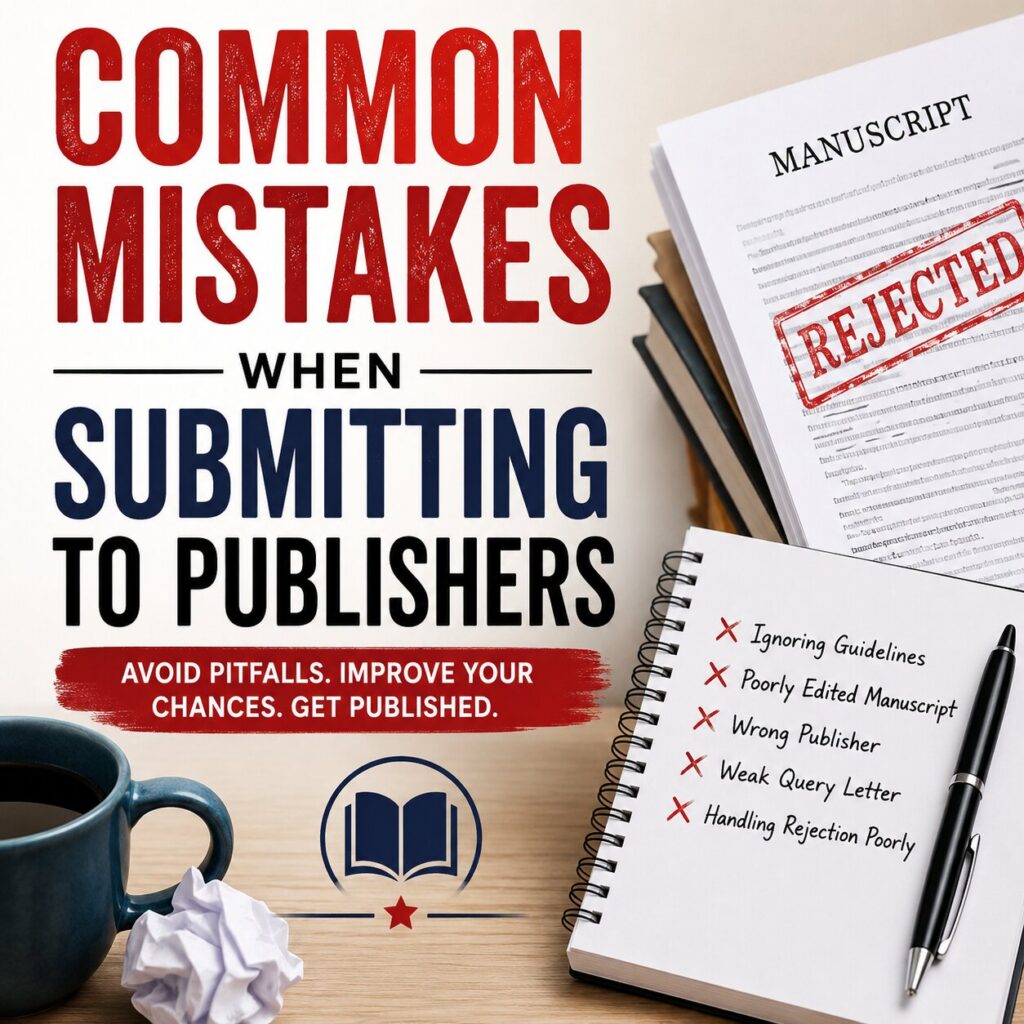
Submitting a manuscript to a publisher can be both exciting and intimidating. Many writers spend years developing their stories, only to encounter rejection because of avoidable submission mistakes rather than the quality of the book itself. Understanding the common mistakes when submitting to publishers can help writers improve their chances of being taken seriously.
Publishers often receive hundreds or even thousands of submissions every month. Because of this, editors quickly look for signs of professionalism, preparation, and attention to detail. Even a strong story can be overlooked if the submission process is handled poorly.
Writers who take the time to prepare properly stand out immediately. A polished submission demonstrates respect for the publisher’s process and shows that the writer is ready to work professionally within the publishing industry.
Ignoring publisher submission guidelines

One of the biggest mistakes writers make is failing to follow submission guidelines. Every publisher has different requirements based on their workflow, preferred genres, and editorial systems. Ignoring these instructions can result in an automatic rejection before the manuscript is even opened.
Some writers assume that guidelines are merely suggestions, but publishers often use them as a first filter. If a publisher asks for a synopsis, cover letter, and sample chapters in a certain format, sending a full manuscript in a completely different style creates unnecessary problems for the editorial team.
Submission guidelines may include instructions about file types, font usage, chapter formatting, word counts, genre limitations, and subject line wording for emails. These details may seem small, but they help publishers manage large submission volumes efficiently.
Carefully reading and following every instruction demonstrates professionalism. It tells the publisher that the writer can work within publishing standards and communicate effectively.
Sending manuscripts before they are fully polished

Many writers become eager to submit as soon as they finish the first draft of a book. Unfortunately, first drafts are rarely ready for professional evaluation. Publishers expect manuscripts to be refined, edited, and properly structured before submission.
A manuscript filled with grammar issues, inconsistent pacing, formatting problems, or unclear storytelling immediately creates a poor impression. Editors want to focus on the story itself, not spend valuable time identifying preventable mistakes.
Before submitting, writers should spend time revising their work thoroughly. Reading the manuscript aloud, using beta readers, and seeking professional editing support can make a dramatic difference in the final quality of the submission.
Writers should also remember that publishing is highly competitive. A polished manuscript does not guarantee acceptance, but an unfinished or poorly edited one almost guarantees rejection.
Submitting to the wrong publishers
Another common issue is submitting manuscripts to publishers that do not publish the writer’s genre or style of book. Some writers mass-send submissions without researching the publishers properly, hoping that somebody will eventually respond positively.
This approach wastes time for both the writer and the publisher. A horror manuscript sent to a romance-focused publisher or a children’s book submitted to a literary fiction press immediately signals a lack of research and professionalism.
Writers should always investigate a publisher before submitting. Important areas to examine include:
- Genres they publish
- Previous book releases
- Submission windows
- Target audiences
- Preferred themes or niches
- Whether they accept unsolicited manuscripts
Taking the time to find the right publishing match greatly improves the likelihood of meaningful consideration.
Weak query letters and synopses

A query letter acts as the introduction to both the manuscript and the writer. Unfortunately, many writers either provide far too much information or fail to explain the story clearly enough. Publishers often decide whether to continue reading based on the quality of the query alone.
Some query letters become overly personal, discussing the writer’s life story instead of the book itself. Others are too vague, failing to communicate the central conflict, genre, or audience. A strong query letter should remain concise, professional, and focused on the manuscript.
The synopsis is equally important. Many writers struggle with summarising their story because they become attached to every subplot and character. However, publishers need a clear understanding of the core narrative and main character journey.
Clear communication matters throughout the publishing process. Writers who can present their story effectively show publishers that they understand how to market and position their work professionally.
Handling rejection the wrong way
Rejection is a natural part of publishing, even for experienced authors. Many successful books were rejected multiple times before eventually finding the right publisher. Unfortunately, some writers take rejection personally and respond emotionally.
Angry replies, defensive messages, or public complaints about publishers can damage a writer’s professional reputation. Editors and publishers communicate within the industry, and professionalism matters greatly when building long-term relationships.
A rejection does not always mean the manuscript is poor quality. Sometimes the publisher already has similar projects in development, the timing is wrong, or the manuscript simply does not fit their catalogue.
Writers should view rejection as part of the learning process. Improving submissions, refining manuscripts, and continuing to develop writing skills often leads to better opportunities over time.
Building stronger publishing opportunities
Learning from common mistakes when submitting to publishers can significantly improve a writer’s chances of success. Professional presentation, polished manuscripts, targeted submissions, and respectful communication all help writers stand out in a crowded publishing environment.
Publishing is rarely an overnight process. Patience, persistence, and continuous improvement remain essential for writers hoping to build long-term careers. Even rejections can provide valuable lessons that strengthen future submissions.
Writers who approach publishers with preparation and professionalism place themselves in a far stronger position to turn their stories into published books.
Ready To Publish Your Book?
If you are looking for professional support with editing, formatting, cover design, publishing, distribution, or marketing, check out our book publishing services today. We work with both new and experienced writers to help bring their stories to readers around the world.