Beyond Gore: Crafting Emotional and Psychological Horror Moments
 Shaun M Jooste
Many new horror writers believe that fear comes from blood, violence, and shocking imagery. While gore certainly has its place in the genre, the most memorable horror stories often rely on something far deeper. Emotional and psychological horror moments stay with readers long after they have finished a book because they target fears that feel personal and relatable.
A severed limb may make a reader cringe for a moment, but the loss of a loved one, the collapse of a relationship, or the fear of losing one’s sanity can create a lasting emotional impact. Horror becomes far more powerful when readers care about the characters experiencing the nightmare.
Understanding how to move beyond gore allows writers to create stories that haunt readers emotionally rather than simply shocking them with graphic descriptions.
Why Emotional Horror Creates Stronger Connections
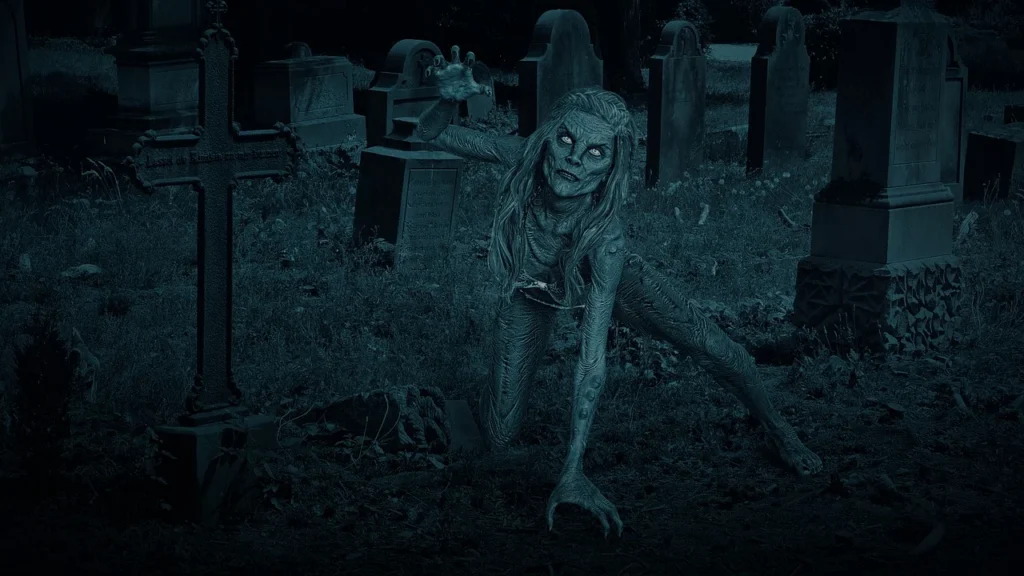
Emotional horror works because it taps into universal human experiences. Readers understand grief, loneliness, betrayal, guilt, and regret because they have encountered these emotions in their own lives.
When a character is forced to confront painful memories or difficult truths, readers often project their own experiences onto the situation. This creates a much stronger connection than a purely physical threat.
The emotional stakes become just as important as the physical danger. Readers begin worrying about what the character might lose rather than simply whether they will survive.
As a result, the horror feels more personal and meaningful.
Building Psychological Horror Through Uncertainty
Psychological horror thrives on doubt and uncertainty. Instead of showing a monster immediately, allow readers to question what is happening.
A character may hear voices that nobody else can hear. They may begin noticing impossible events that challenge their understanding of reality. Perhaps they are haunted by guilt, causing them to question whether the horrors they see are real or imagined.
By withholding answers, writers encourage readers to fill in the blanks themselves. Often, the imagination creates something far more frightening than any explicit description.
This uncertainty generates tension that can carry an entire story without relying heavily on gore.
Techniques for Creating Emotional and Psychological Horror Moments
Several techniques can help writers create memorable emotional and psychological horror moments:
- Give characters meaningful personal fears.
- Explore unresolved trauma or guilt.
- Use isolation to increase vulnerability.
- Create situations where reality becomes questionable.
- Focus on emotional consequences rather than physical injuries.
- Allow characters to make difficult moral choices.
- Build suspense through anticipation instead of constant action.
These techniques encourage readers to become emotionally invested in the story and the people experiencing the horror.
Letting the Reader Feel the Fear
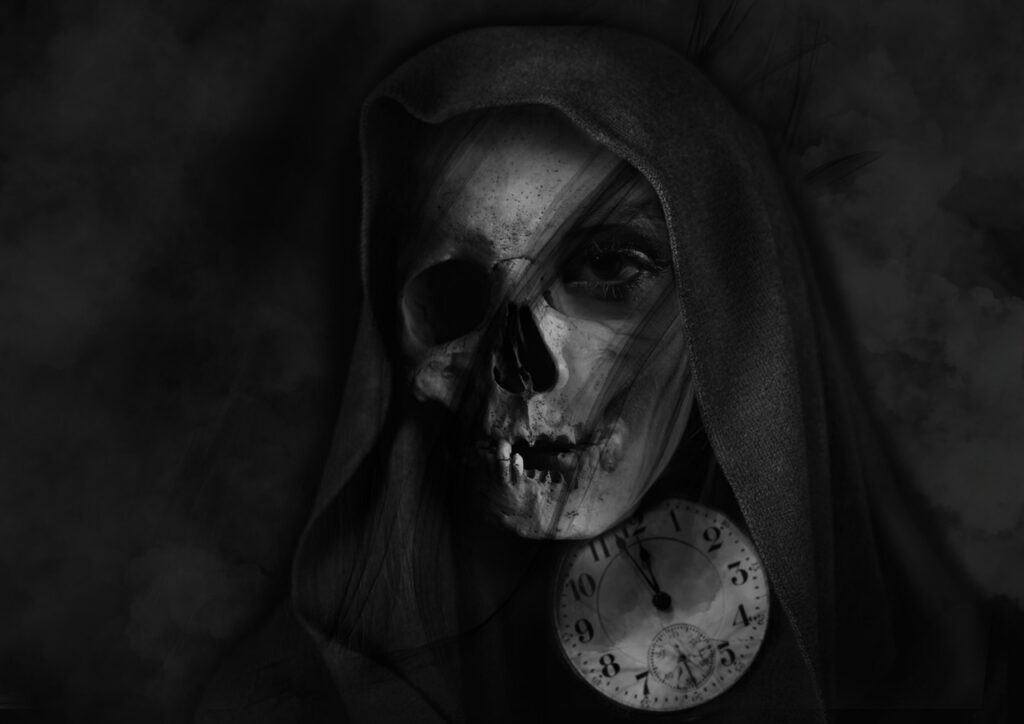
One of the most effective ways to create emotional horror is to show how events affect a character internally. Rather than describing every frightening detail, focus on the character’s reactions.
A trembling hand, a racing heartbeat, or a desperate attempt to deny the truth can communicate fear more effectively than pages of graphic violence.
Similarly, psychological horror becomes stronger when readers witness a character slowly losing confidence in their own perceptions. Every small crack in reality creates tension that builds over time.
The goal is not simply to frighten readers but to make them feel what the character is experiencing.
Creating Horror That Lingers
Gore can shock readers for a few seconds. Emotional and psychological horror can remain with them for days, weeks, or even years. The stories people remember most often involve characters facing impossible emotional burdens, confronting painful truths, or questioning the nature of reality itself.
As a horror writer, challenge yourself to look beyond blood and violence. Explore fear through emotion, memory, guilt, isolation, and uncertainty. When readers become emotionally invested in your characters, every frightening moment gains greater power.
The result is horror that not only terrifies but also resonates long after the final page has been turned.