How to Capture Silent Hill Atmosphere in Novels
 Shaun M Jooste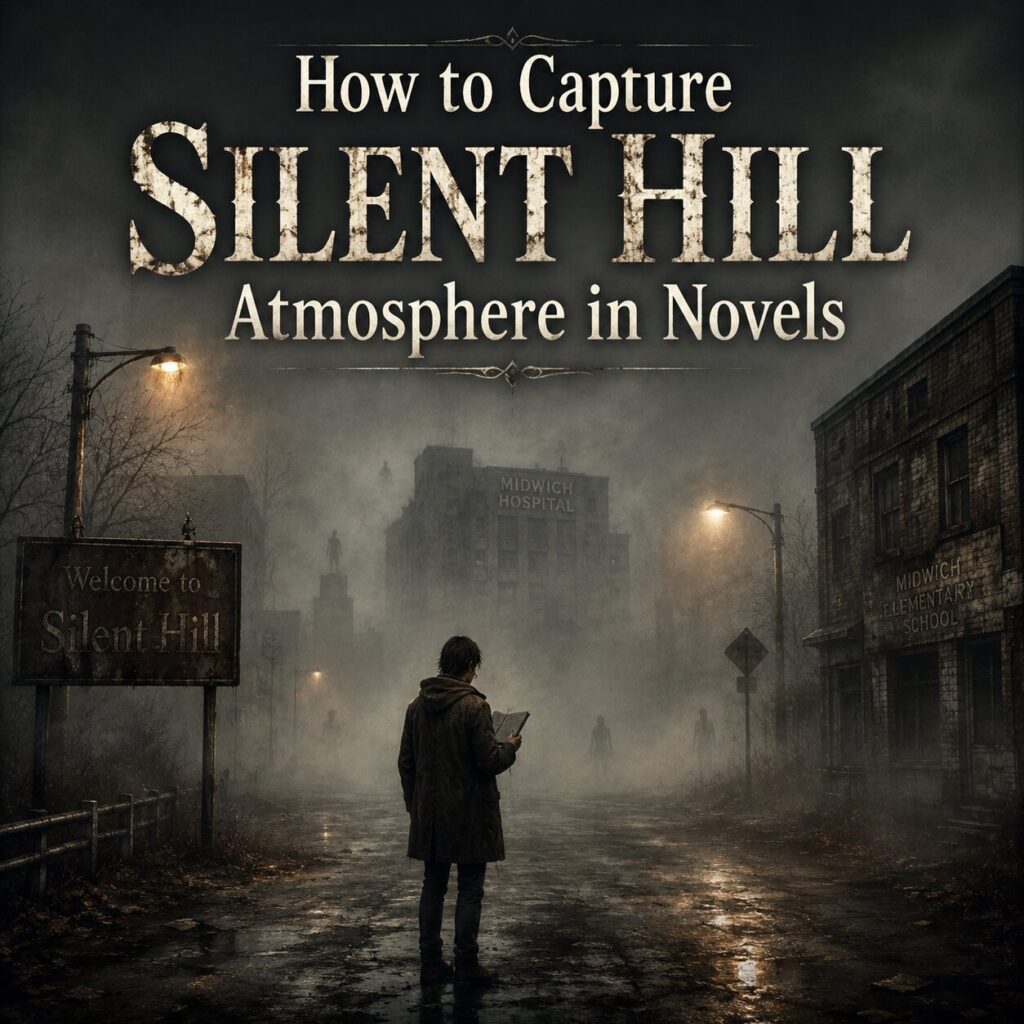
Few horror franchises have influenced writers as much as Silent Hill. While many stories focus on monsters, gore, or jump scares, Silent Hill became famous for its oppressive atmosphere, psychological horror, and emotional storytelling. Readers and players remember the feeling of dread long after they have forgotten specific creatures or events.
Learning how to capture Silent Hill atmosphere in novels requires more than placing characters in a foggy town. The atmosphere comes from the relationship between the setting, the protagonist’s inner struggles, and the slow revelation of disturbing truths. Every location, sound, and encounter serves a deeper purpose within the narrative.
Writers who wish to create psychological horror can learn valuable lessons from the franchise. By understanding what makes its world so memorable, authors can develop their own unique stories while achieving a similar sense of unease and tension.
Build the Setting as a Character
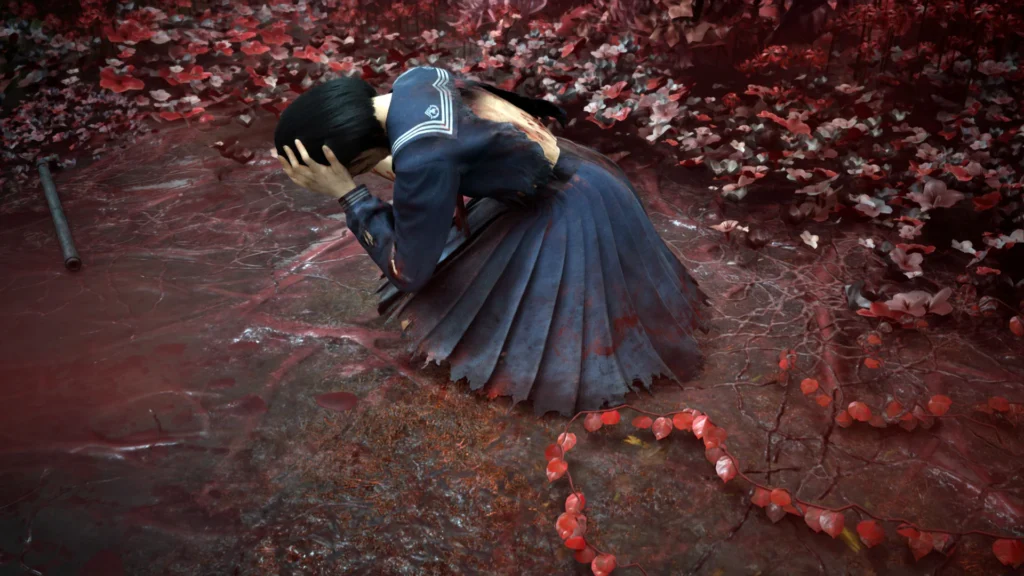
One of the most important aspects of how to capture Silent Hill atmosphere in novels is treating the setting as a living part of the story. The environment should influence events, emotions, and character decisions rather than merely serving as a backdrop.
Locations can reflect themes, memories, fears, or regrets. An abandoned school, deserted hospital, or forgotten amusement park becomes more frightening when it has a personal connection to the protagonist. Readers should feel that the setting is reacting to the characters in subtle and unsettling ways.
Descriptions should focus on sensory details. Strange sounds in the distance, flickering lights, peeling paint, and empty streets can create tension without relying on direct threats. The goal is to make readers uncomfortable before anything dangerous actually appears.
Atmosphere grows stronger when familiar places become distorted. A location that once represented safety can become a source of fear, creating emotional conflict alongside physical danger.
Focus on Psychological Horror
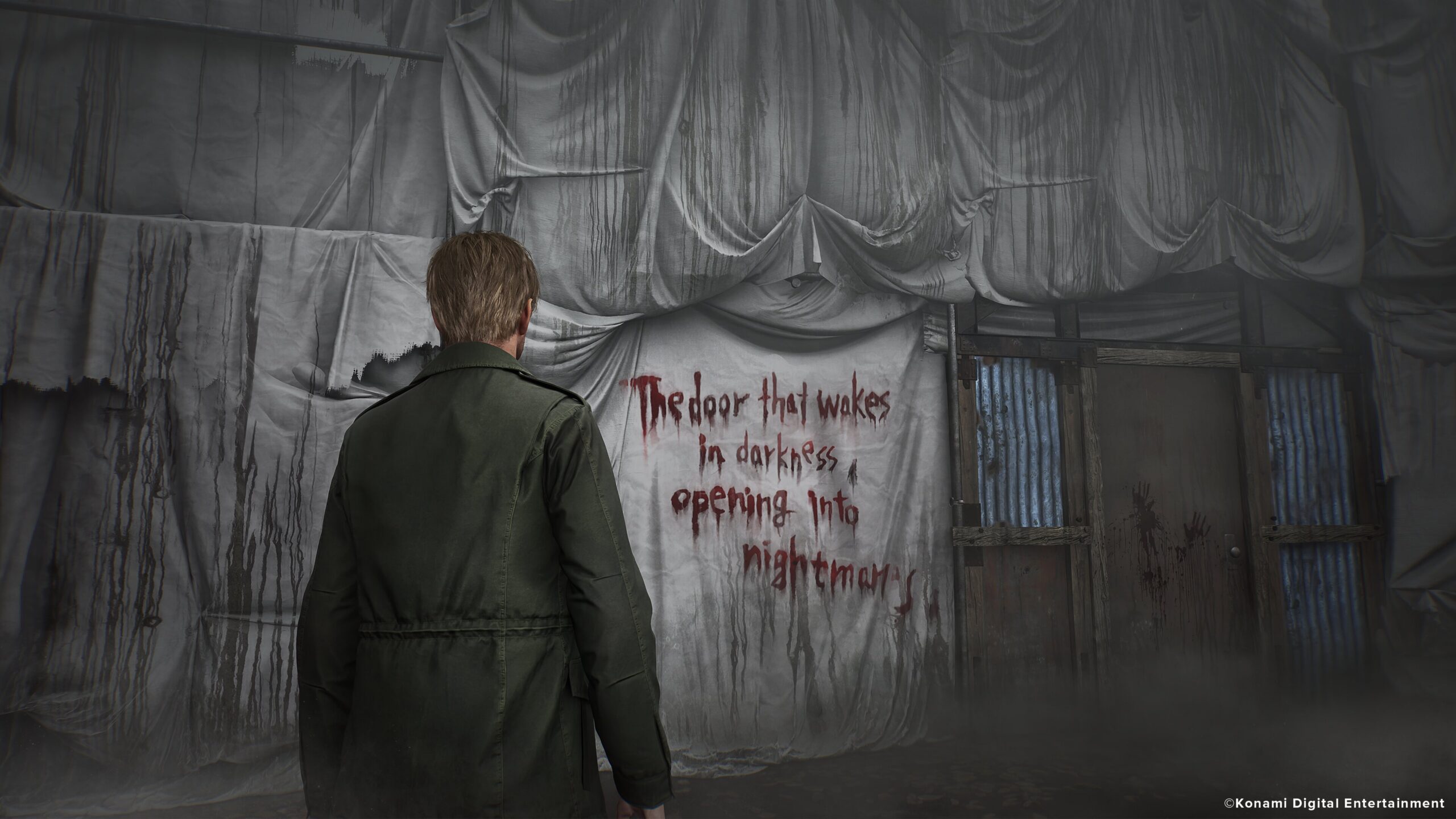
Understanding how to capture Silent Hill atmosphere in novels means placing psychological horror at the centre of the story. The greatest threats often come from within the characters themselves.
Characters should carry emotional baggage, trauma, guilt, grief, or unresolved conflicts. These internal struggles create opportunities for symbolic events and terrifying encounters that feel meaningful rather than random.
Instead of immediately explaining every mystery, allow readers to uncover clues gradually. Uncertainty creates tension. The less certain readers are about what is real, the stronger the atmosphere becomes.
Fear becomes more effective when it challenges a character’s beliefs or forces them to confront painful truths. Horror should change the protagonist, not simply frighten them.
Use Monsters with Purpose
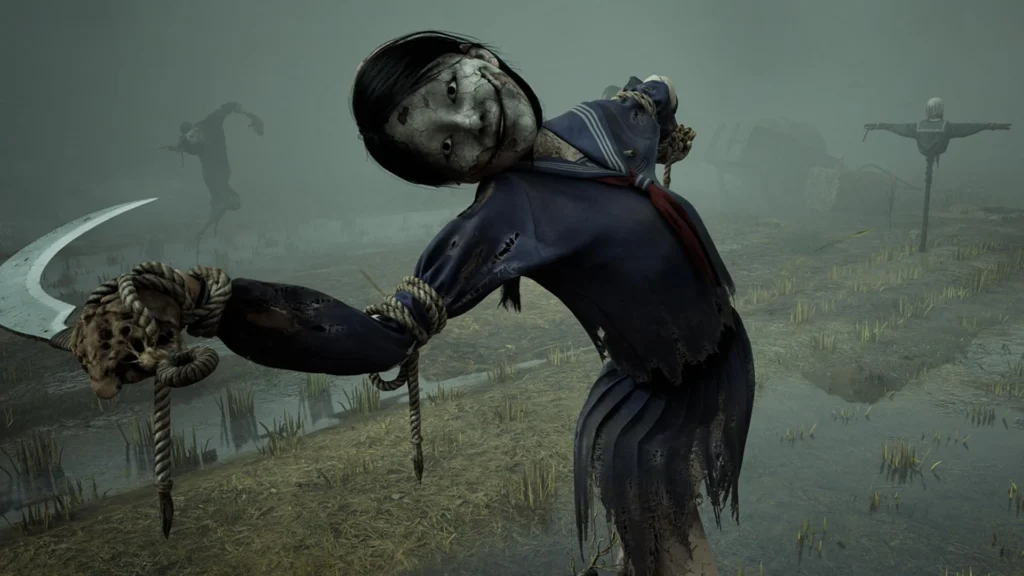
Many writers mistakenly believe that monsters are the key to capturing the Silent Hill atmosphere in novels. In reality, creatures are most effective when they represent something deeper.
Consider the following principles:
- Design monsters around themes or emotional conflicts.
- Connect creature behaviour to a character’s fears or memories.
- Avoid using monsters solely for action scenes.
- Allow symbolism to remain partially open to interpretation.
- Make encounters emotionally disturbing rather than merely violent.
The most memorable creatures often reveal something about the protagonist. Readers should leave an encounter with new questions or insights rather than simply remembering a fight scene.
When monsters serve the story’s themes, they become extensions of the atmosphere instead of distractions from it.
Master the Art of Mystery and Ambiguity
A crucial part of how to capture Silent Hill atmosphere in novels is resisting the urge to explain everything. Mystery keeps readers engaged and encourages them to interpret events for themselves.
Not every strange occurrence requires a detailed explanation. Some questions can remain unanswered if doing so strengthens the overall experience. Readers often find unexplained details more unsettling than fully revealed mysteries.
Dreamlike sequences, conflicting memories, and unreliable perceptions can blur the line between reality and nightmare. These techniques create uncertainty and encourage readers to question what they are witnessing.
Writers should provide enough clues to make the story feel coherent while leaving room for interpretation. The balance between understanding and uncertainty is where much of the atmosphere originates.
Let the Story Breathe
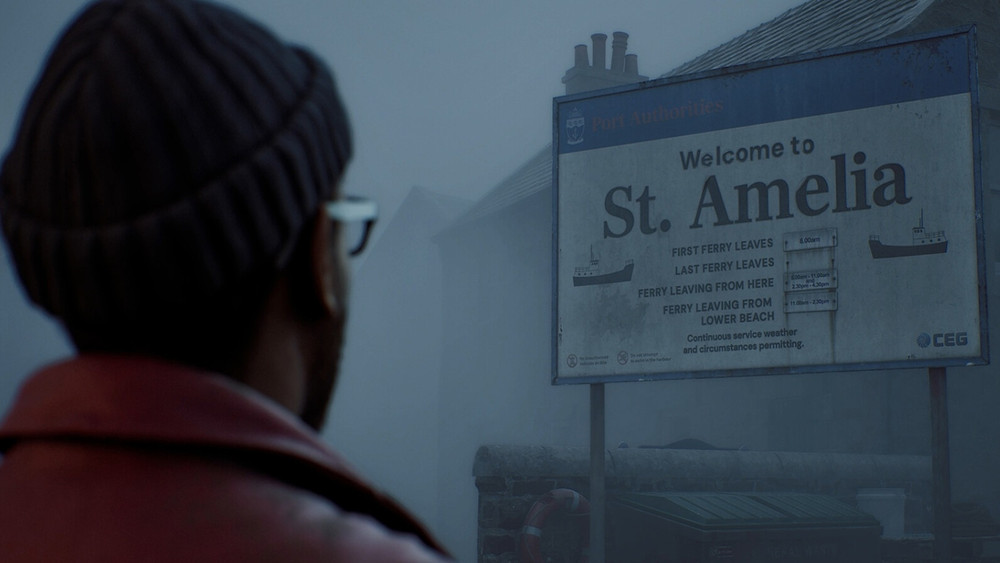
Pacing plays a major role in how to capture Silent Hill atmosphere in novels. Constant action can weaken tension by giving readers no time to absorb the environment.
Quiet moments allow dread to build. A character walking through a deserted street, exploring an abandoned building, or listening to distant sounds can be more effective than a lengthy confrontation.
Atmosphere develops through anticipation. Readers should constantly feel that something is wrong, even when nothing obvious is happening. This sense of expectation keeps tension alive throughout the narrative.
By alternating between slow, atmospheric scenes and moments of intense horror, writers can create a rhythm that keeps readers invested and emotionally engaged.
Creating Your Own Nightmare
Learning how to capture Silent Hill atmosphere in novels is ultimately about understanding emotional horror. Memorable settings, symbolic creatures, psychological conflict, and carefully maintained mystery all work together to create an experience that lingers in the reader’s mind.
Rather than copying what made the games successful, use these principles to create your own unique horrors. The most powerful stories are those that reflect personal themes and emotional truths while immersing readers in a world they cannot easily forget.
Looking for your next horror read? Visit our online bookshop today and discover chilling novels, dark fantasy adventures, and unforgettable stories from talented authors around the world.