The Art of Physical Comedy in Storytelling
 Shaun M Jooste
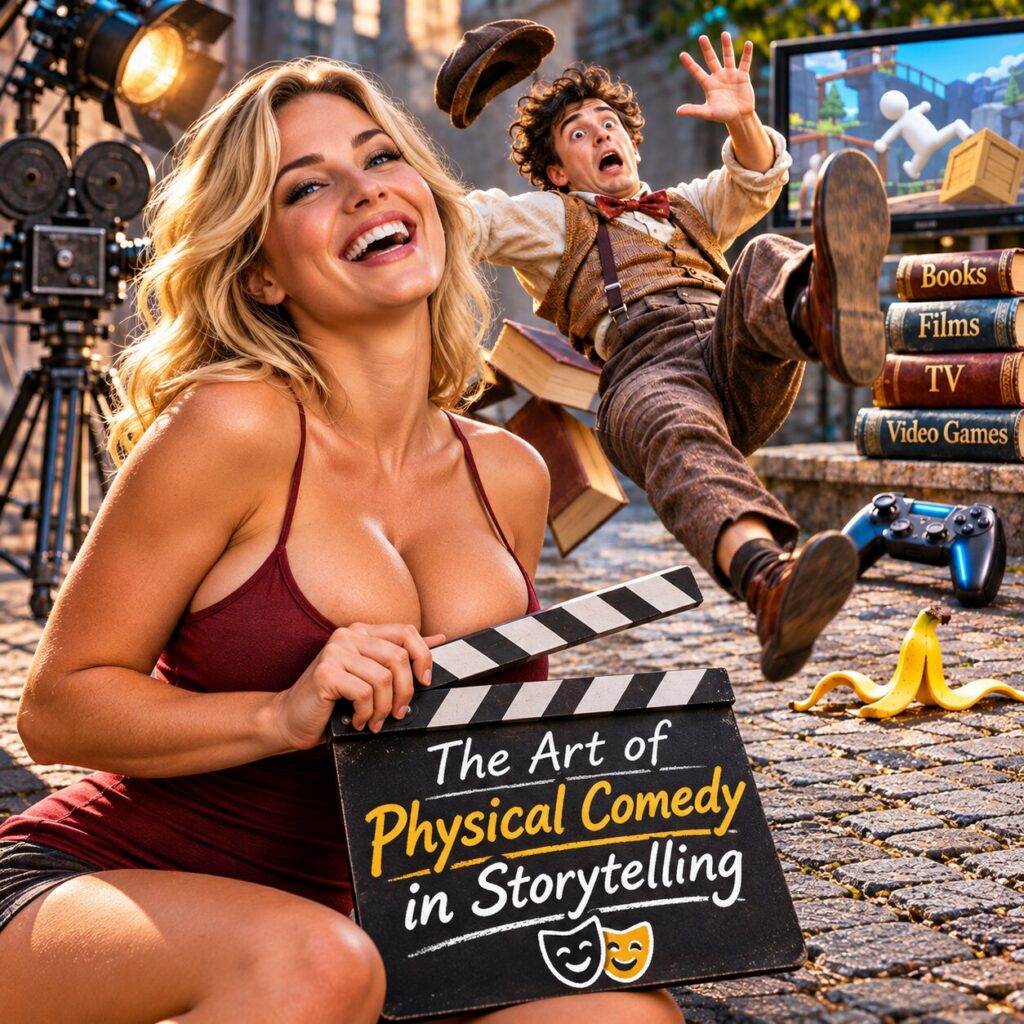
Physical comedy has entertained audiences for centuries, from theatrical slapstick performances to modern films, television series and video games. Unlike verbal humour, physical comedy relies on movement, expressions, timing and unexpected situations to generate laughter. It is a powerful storytelling technique because audiences can understand the humour without lengthy explanations or even spoken dialogue.
For writers and creators, understanding physical comedy opens opportunities to develop memorable characters and entertaining scenes. Whether a character trips over an obstacle, struggles with an everyday object or reacts dramatically to an embarrassing situation, the humour emerges from how the action unfolds. However, effective physical comedy requires more than simply making characters fall over.
What Makes Physical Comedy Effective?
Physical comedy works by creating a contrast between what audiences expect and what actually happens. A confident character attempting an impressive entrance might immediately stumble, while someone trying to appear inconspicuous could accidentally cause an enormous disturbance. The unexpected outcome creates the comedic moment.
Timing plays an essential role in making these situations entertaining. A character who pauses before reacting to a disaster can generate more laughter than one who responds immediately. Similarly, repeated attempts to solve a simple problem can become increasingly ridiculous when each solution creates another complication.
The most successful physical comedy also reveals something about the characters involved. Their reactions, personalities and relationships transform ordinary accidents into meaningful storytelling moments.
Physical Comedy in Literature
Writing physical comedy presents a particular challenge because readers cannot directly observe the movements being described. Authors must communicate the action clearly enough for readers to visualise the situation without overwhelming them with unnecessary details. Precise descriptions and carefully structured sequences are essential.
For example, a character carrying an enormous stack of books might attempt to open a door while balancing everything precariously. The humour develops as the character tries increasingly impractical solutions, eventually causing the books to scatter across the floor. The writer can strengthen the scene by showing the character’s determination and growing frustration.
Dialogue can also enhance physical comedy without replacing the action. A character insisting that everything is under control while the situation visibly deteriorates creates an entertaining contradiction between their words and behaviour.
Physical Comedy in Films and Television
Film and television have an obvious advantage when presenting physical comedy because audiences can observe every movement and expression. Performers such as Charlie Chaplin, Buster Keaton and Rowan Atkinson demonstrate how carefully controlled body language can communicate entire comedic narratives. Their performances frequently rely on exaggerated reactions, visual misunderstandings and precisely timed movements.
Camera positioning and editing also influence how audiences experience physical humour. A wide shot might reveal an approaching disaster that a character cannot see, allowing anticipation to build before the inevitable collision. Alternatively, a sudden close-up can emphasise a character’s expression after something unexpected occurs.
Importantly, physical comedy does not always require dangerous stunts or elaborate sequences. A simple exchange of confused glances or an awkward attempt to avoid someone can be equally entertaining when performed convincingly.
Physical Comedy in Video Games
Video games introduce an interactive dimension to physical comedy because players can become responsible for the humorous situations themselves. Unpredictable physics, exaggerated animations and unusual character movements frequently create memorable moments. Sometimes these situations are deliberately designed, while others emerge naturally from gameplay.
Games such as Human: Fall Flat and Untitled Goose Game demonstrate different approaches to interactive physical humour. The former uses deliberately awkward movement and environmental puzzles, while the latter encourages players to create chaos through mischievous actions. Both allow comedy to emerge through experimentation.
Game writers and designers must consider how humour interacts with player control. A scripted comedic sequence can be entertaining, but allowing players to discover amusing outcomes independently often creates a stronger sense of participation.
Using Physical Comedy Without Undermining the Story
Although physical comedy can improve entertainment value, excessive slapstick may weaken dramatic tension or make serious characters appear inconsistent. Writers should consider the tone of their stories before introducing exaggerated accidents or unrealistic behaviour. A humorous adventure might accommodate elaborate physical mishaps, while a psychological thriller may benefit from smaller moments of awkwardness.
Character consistency is equally important. A disciplined warrior might occasionally experience an embarrassing accident, but repeatedly portraying that character as incompetent could undermine their established abilities. The comedy should emerge naturally from the circumstances rather than forcing characters to behave unnaturally.
Physical humour can also provide relief between emotionally demanding scenes. When used strategically, these lighter moments help audiences reconnect with characters before the narrative returns to more serious developments.
Turning Movement Into Memorable Humour
The true strength of physical comedy lies in its ability to communicate humour through actions rather than explanations. Whether presented through written descriptions, screen performances or interactive gameplay, successful physical comedy combines timing, characterisation and unexpected consequences.
Creators who understand these principles can introduce entertaining moments without sacrificing their stories’ emotional foundations. Ultimately, the funniest physical comedy does more than make audiences laugh. It reveals personality, strengthens relationships and transforms ordinary situations into unforgettable storytelling experiences.