Utilising Descriptive Language: Painting a Vivid and Chilling Setting
 Shaun M Jooste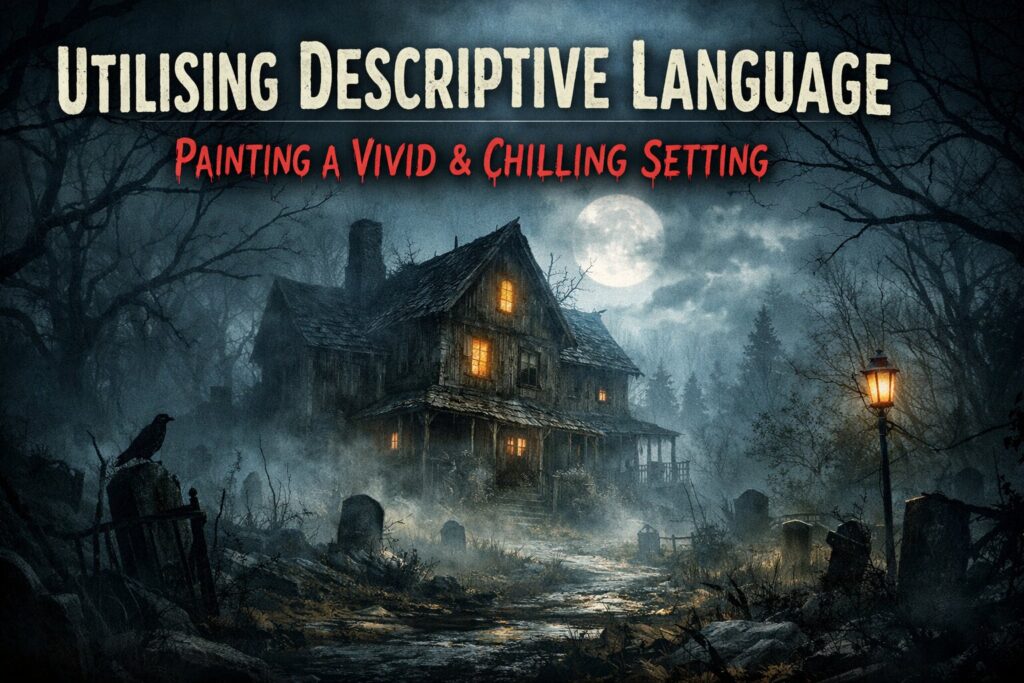
Horror is not just about monsters, blood, or sudden shocks. The most powerful horror stories create an atmosphere that slowly crawls under the reader’s skin. A well-crafted setting can make readers feel uneasy before anything frightening even happens.
Utilising descriptive language effectively allows writers to transform ordinary locations into places filled with dread, mystery, and tension. Through carefully chosen words and sensory details, a setting becomes more than a backdrop. It becomes part of the horror itself.
In this guide, we explore how horror writers can use descriptive language to paint vivid and chilling settings that linger in the reader’s imagination.
Why setting is essential in horror writing

In many genres, the setting simply provides context for the story. In horror, however, the environment often functions like an additional character.
A decaying hospital corridor, a fog-covered forest path, or an abandoned amusement park at night can influence how readers interpret every event that follows. When a setting is described with care, readers begin to anticipate danger even before it appears.
Strong horror settings accomplish several goals:
- They create atmosphere and mood
- They heighten tension and suspense
- They reflect the emotional state of the characters
- They hint at hidden threats or supernatural forces
The key is not just describing a place, but evoking the feeling of being there.
Using sensory details to immerse the reader

One of the most effective ways to create a chilling setting is through sensory description. Instead of relying only on visual details, horror writers should involve all five senses.
When readers can see, hear, smell, feel, and even imagine the taste of an environment, the setting becomes far more immersive.
Consider these sensory elements when writing horror scenes:
Sound
Silence can be just as powerful as noise in horror.
A distant creaking floorboard, a dripping pipe echoing through a basement, or the faint whisper of wind through broken windows can create tension long before the threat appears.
Smell
Smell is an underused but powerful descriptive tool.
Descriptions such as damp wood, mould, rusted metal, or something faintly rotten can immediately make readers uncomfortable.
Touch
Textures can add subtle unease.
Cold stone walls, sticky surfaces, damp air, or sharp gravel beneath a character’s shoes help create a physical connection between the reader and the environment.
Temperature and atmosphere
Temperature changes can signal danger.
A sudden drop in warmth, breath fogging in the air, or unnatural heat radiating from a closed room can hint that something is wrong.
Choosing precise and evocative language
The difference between a bland setting and a chilling one often lies in word choice.
Compare the following descriptions:
The house was old and dark.
Now compare it with:
The house sagged beneath the weight of time, its cracked windows staring into the night like blind eyes.
The second example does more than describe the house. It creates mood.
To strengthen your descriptions:
- Replace generic words with vivid alternatives
- Use metaphors and similes sparingly but effectively
- Focus on atmosphere rather than unnecessary detail
In horror writing, every description should serve the emotional tone of the scene.
Letting the setting reflect the story’s tension
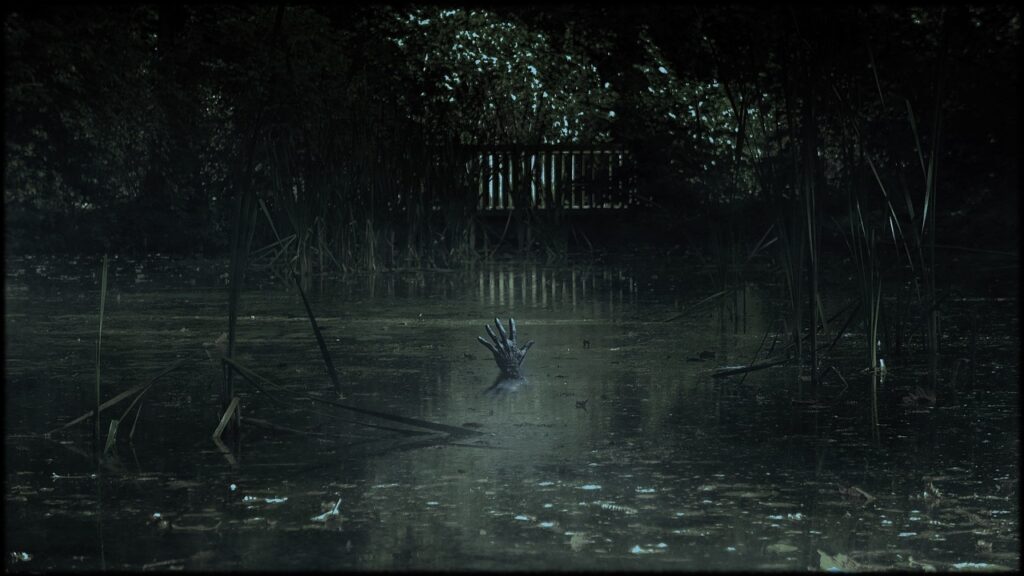
In many effective horror stories, the environment mirrors the psychological state of the characters.
For example:
- A character descending into madness might explore increasingly claustrophobic environments.
- A haunted location might slowly reveal disturbing details as the protagonist investigates.
- Storms, fog, or darkness may intensify as danger approaches.
This technique creates a natural connection between the setting and the narrative arc.
When done well, readers begin to feel that the world itself is responding to the unfolding horror.
Using subtle hints instead of over-explaining
One of the most common mistakes in horror writing is describing too much too quickly.
Fear often comes from uncertainty. Instead of explaining every detail, allow the setting to raise questions.
A stain on the wall that looks too dark.
Scratches on a locked door.
Footsteps heard where no one should be.
These small environmental clues encourage the reader’s imagination to fill in the gaps, often creating far greater tension than direct explanation.
Building dread through gradual revelation

The most chilling settings rarely reveal everything at once.
Instead, horror writers often introduce locations gradually, allowing the reader to discover disturbing details step by step.
For example, a character entering an abandoned building might first notice:
- The broken gate creaking in the wind
- Dust-covered furniture left untouched for years
- Strange markings carved into the walls
- Evidence that someone – or something – may still be inside
Each new detail deepens the sense of unease.
This layered approach transforms a simple location into a space filled with suspense and dread.
Turning Words into Fear
Utilising descriptive language effectively can transform any setting into a powerful tool for horror storytelling.
Through sensory details, precise word choices, and gradual revelation, writers can create environments that feel alive with tension. When the setting itself becomes unsettling, every movement within that space becomes more frightening.
Whether your story takes place in a haunted mansion, a deserted highway, or a seemingly normal suburban street, the way you describe the environment will shape how readers experience the horror.
Mastering descriptive language allows writers to paint vivid and chilling settings that linger in the mind long after the story ends.