Monsters Within: Crafting Complex and Relatable Protagonists in Horror
 Shaun M Jooste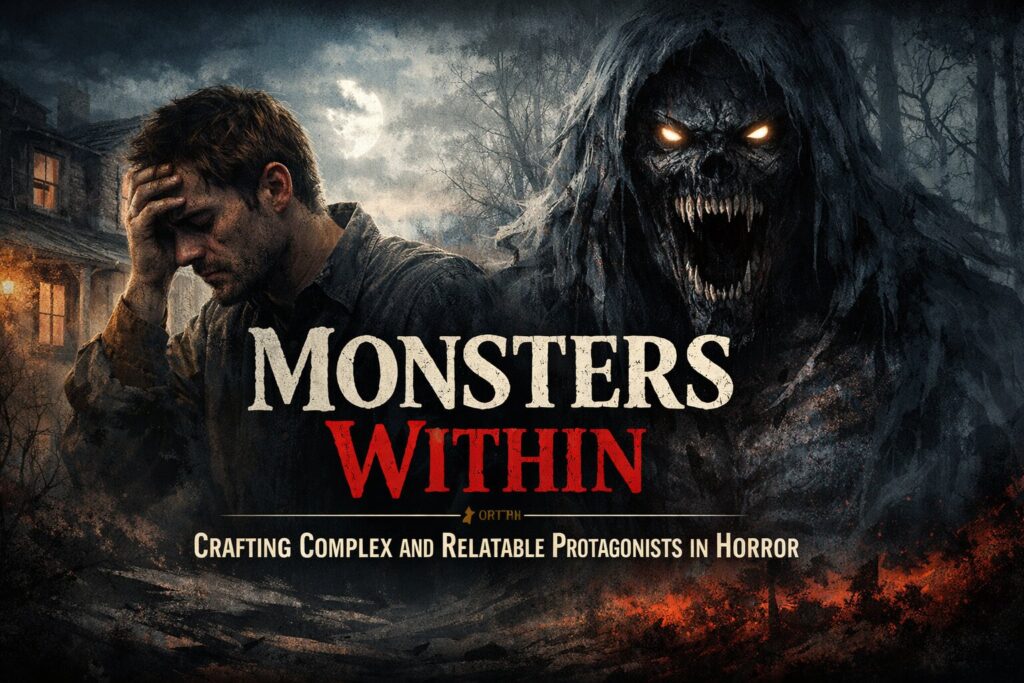
Horror is often associated with terrifying creatures, dark locations and shocking moments. However, the most memorable horror stories are rarely defined only by their monsters. Instead, they are driven by deeply human characters who struggle with fear, guilt, trauma or inner darkness. These characters often become the emotional anchor of the story.
Crafting complex and relatable protagonists in horror allows readers to experience fear on a much deeper level. When audiences connect with the main character’s struggles and flaws, every encounter with the supernatural becomes more intense and personal. The horror stops being distant entertainment and becomes something emotionally real.
In this guide, we explore how writers can create powerful horror protagonists who feel authentic, flawed and compelling while still driving terrifying narratives forward.
Why horror protagonists need depth
In many genres, the protagonist serves primarily as the hero who defeats the villain. Horror works differently. The protagonist is often vulnerable, uncertain or even morally conflicted. Their emotional journey becomes just as important as the external threat they face.
A well-developed horror protagonist allows readers to empathise with the character’s fears. This connection creates tension because the audience wants the character to survive, understand the truth or overcome their personal demons.
Depth also helps horror stories avoid predictable clichés. Instead of relying only on jump scares or violent moments, the story gains psychological complexity. Readers become invested in the character’s emotional survival, not just their physical survival.
When readers care about the protagonist, every decision carries weight.
The inner conflict that fuels horror
One of the most powerful tools in horror storytelling is internal conflict. A character’s fears, regrets or hidden secrets often mirror the external threat they face.
Internal conflict might involve guilt over a past mistake, unresolved grief, family trauma or suppressed anger. These emotional struggles shape how the protagonist reacts when horror emerges.
For example, a character haunted by guilt may interpret supernatural events as punishment. Another protagonist might deny the danger because acknowledging it would force them to confront painful memories.
This connection between inner struggle and external horror creates layered storytelling. The monster is not just something outside the character. It reflects something within them.
Balancing vulnerability and strength
Effective horror protagonists are rarely fearless heroes. Instead, they are ordinary people forced into extraordinary situations. Their vulnerability is what makes them believable.
However, vulnerability does not mean weakness. A compelling protagonist still possesses strengths that allow them to survive or confront the threat.
These strengths might include determination, intelligence, empathy or emotional resilience. The key is balance. The character should feel capable enough to face the story’s challenges, but fragile enough that their survival is never guaranteed.
This balance creates suspense. Readers constantly wonder whether the protagonist will overcome the darkness or be consumed by it.
Traits that make horror protagonists relatable
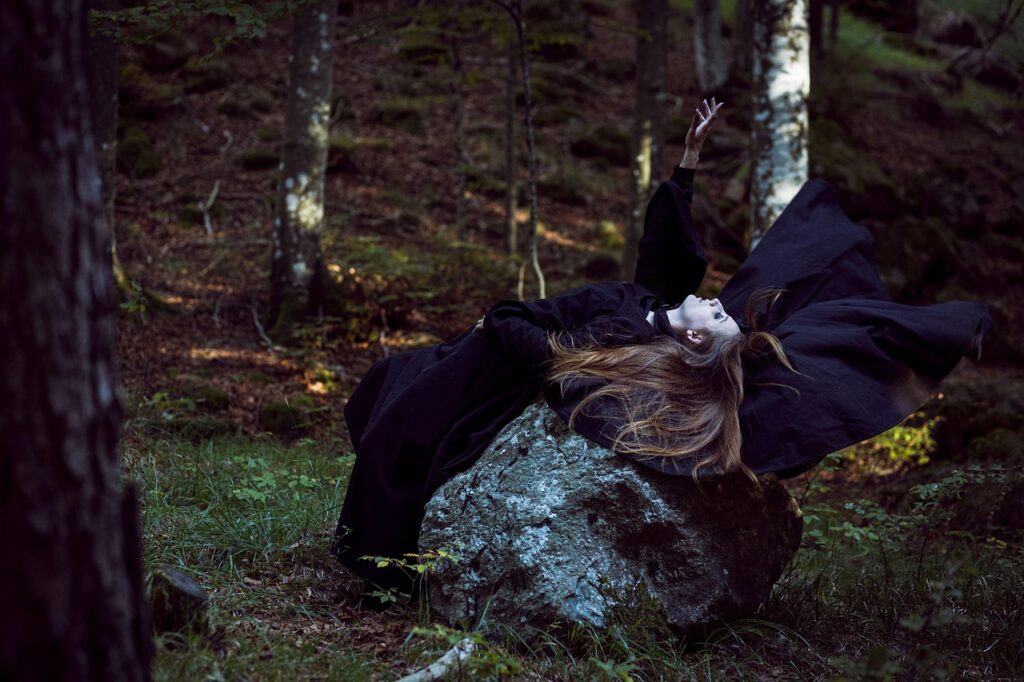
While every horror story is unique, certain traits often help protagonists feel more authentic and emotionally engaging.
• Flaws and imperfections that make the character human
• Personal fears that shape their decisions
• Emotional vulnerability that allows readers to empathise
• Moral dilemmas that force difficult choices
• A clear motivation such as protecting loved ones or uncovering the truth
These traits ensure that the protagonist feels like a real person rather than simply a vehicle for the plot.
Using backstory to deepen fear
Backstory plays an important role in shaping a horror protagonist. Past experiences often influence how a character responds to danger.
A childhood trauma, a tragic loss or a mysterious past event can provide emotional context for the character’s actions. These elements help explain why the protagonist reacts with fear, denial or determination when the horror begins.
However, backstory should be revealed carefully. Too much exposition can slow the narrative. Instead, small hints and discoveries can gradually reveal the character’s history as the story unfolds.
When done well, backstory enriches the emotional depth of the horror while keeping readers engaged.
When the protagonist becomes the monster
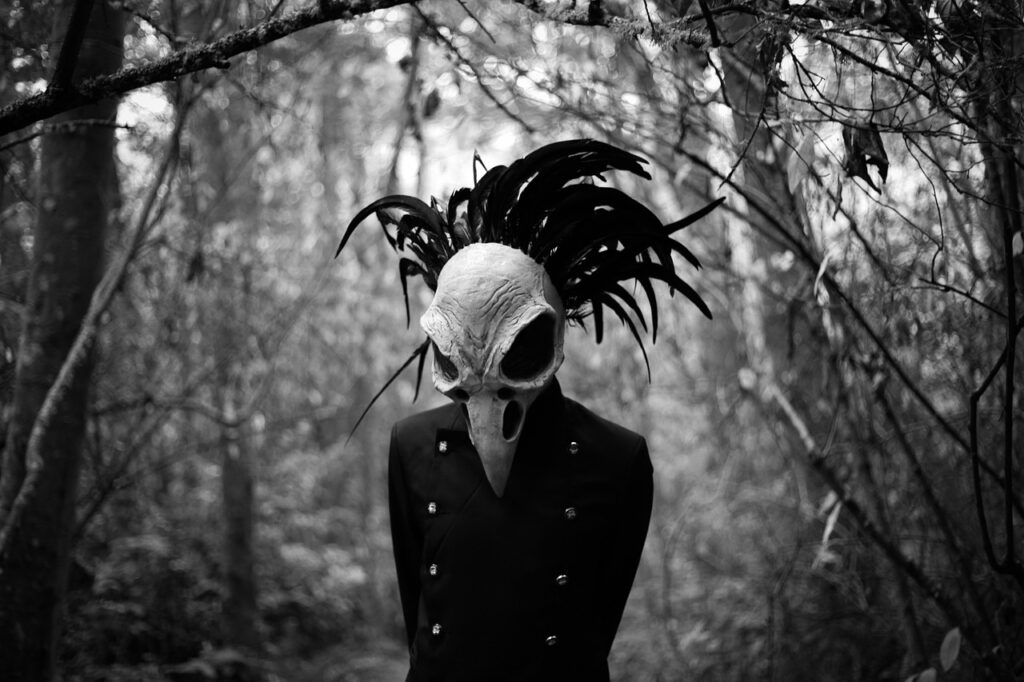
Some of the most powerful horror stories explore the idea that the true monster might exist within the protagonist themselves.
This does not always mean the character becomes physically monstrous. It might involve moral corruption, psychological breakdown or a transformation driven by desperation.
These stories blur the line between hero and villain. Readers are forced to question whether the protagonist is fighting the monster or slowly becoming it.
This theme is particularly effective in psychological horror, where fear emerges from human nature rather than supernatural threats alone.
Building emotional stakes in horror storytelling
A relatable protagonist transforms horror from spectacle into emotional experience. When readers understand the character’s fears, desires and struggles, the story gains deeper tension.
The monster may provide the shock, but the protagonist provides the meaning. Their journey through darkness reflects universal human fears about loss, identity and survival.
For writers, crafting complex protagonists is one of the most powerful ways to elevate horror beyond simple scares. By exploring the monsters within human nature, horror stories can become both terrifying and profoundly human.
Writers who enjoy exploring the psychological depth of horror are always welcome to share their work. If you have written a horror story featuring complex characters, chilling atmospheres and unforgettable monsters, you can submit it for publishing consideration. Our editorial team is always interested in discovering fresh voices and powerful storytelling that pushes the genre forward. Visit our submissions page to learn more about the process and how your horror story could become part of our growing catalogue of dark and imaginative fiction.