FAQ: Will my book get reviews?
 Shaun M Jooste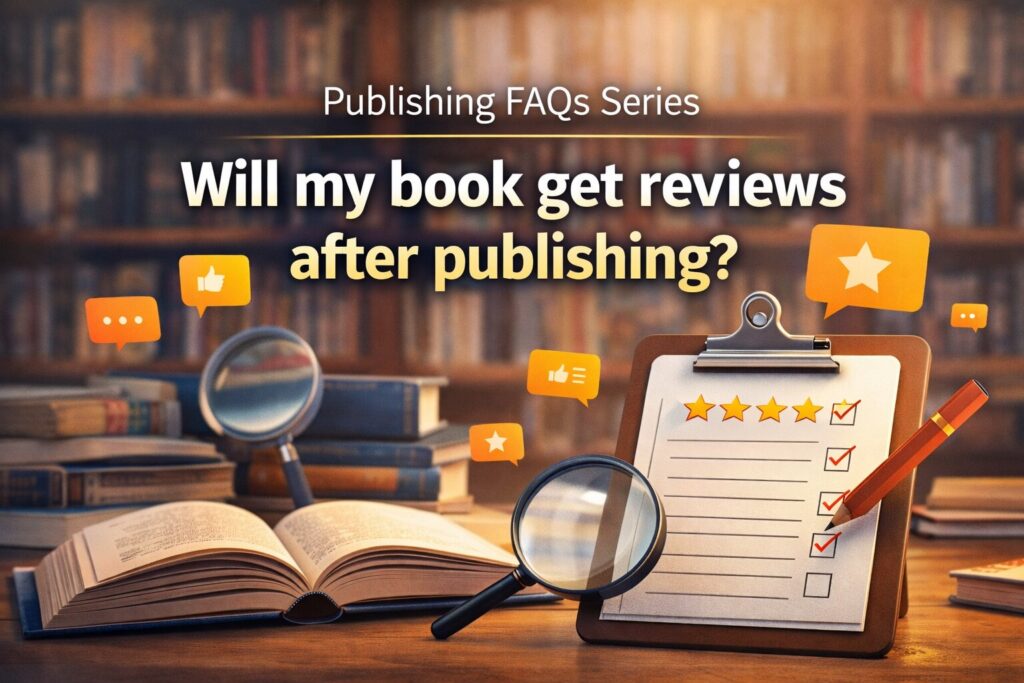
Will my book get reviews? (Quick Answer)
Whether your book receives reviews depends largely on how widely it is distributed and promoted after publication. Simply publishing a book does not guarantee reviews. Reviews usually come from readers, bloggers, reviewers, and media outlets who discover the book through marketing, word of mouth, or direct outreach. Authors who actively promote their books through social media, newsletters, and review requests are far more likely to generate early feedback.
Many publishers and authors also send advance review copies (ARCs) to reviewers before or shortly after a book launches. These copies help build early interest and encourage honest reader responses on platforms such as Amazon, Goodreads, blogs, and news sites. While reviews cannot be guaranteed, a strong promotional strategy and engagement with readers can significantly increase the chances of receiving meaningful feedback.
Many new authors ask the same question when preparing to publish their first book: Will my book get reviews? Reviews play an important role in helping readers discover new titles, building credibility for an author, and improving visibility on online bookstores and retail platforms.
However, it is important to understand that reviews are not automatic. Simply publishing a book does not guarantee that readers, bloggers, or media outlets will review it. Reviews typically come from readers who discover the book through marketing, word of mouth, or promotional efforts by the author and publisher.
For this reason, authors should view reviews as part of a long-term engagement with readers rather than something that appears immediately after publication. Building awareness, encouraging discussion, and connecting with communities interested in your genre all contribute to generating genuine reader feedback.
Why book reviews matter for authors

Reviews help potential readers decide whether a book is worth their time. When someone discovers a new title online, they often check ratings and reader comments before deciding to buy it.
Positive reviews can help improve visibility on major retail platforms such as Amazon, where algorithms sometimes favour books that show strong reader engagement. Reviews also provide social proof that others have enjoyed the story or found value in the content.
For authors, reviews can also provide helpful insights into how readers respond to their work. Constructive feedback may highlight what resonates with audiences and what aspects of a story stand out the most.
Over time, a collection of reviews can help establish an author’s reputation and make future books easier to promote.
How books usually receive reviews
Most book reviews come from three main sources: readers, bloggers, and media outlets. Readers often leave reviews voluntarily after finishing a book, especially if they feel strongly about the experience.
Bloggers and reviewers, on the other hand, often receive advance review copies (ARCs) before or shortly after a book launches. These copies allow reviewers to read the book early and publish their thoughts around the time of release.
Some publishers also reach out to online magazines, genre-specific websites, and influencers who regularly review books. While not every reviewer will accept a request, outreach increases the chances of the book being noticed.
The more visible a book becomes through marketing, the greater the likelihood that readers and reviewers will discover it and share their opinions.
Ways authors can encourage reviews

While reviews cannot be guaranteed, authors can take several steps to improve their chances of receiving them:
- Share the book with beta readers and early reviewers
- Provide advance review copies (ARCs) before launch
- Promote the book on social media and author platforms
- Reach out to bloggers and genre-specific reviewers
- Encourage readers to leave honest feedback after finishing the book
These efforts help create early momentum for a new release. Even a small number of early reviews can make a difference in how potential readers perceive the book.
It is also important that reviews remain authentic and voluntary, as most retail platforms prohibit paid or manipulated reviews.
The importance of patience and reader engagement

Many books do not receive large numbers of reviews immediately after launch. In many cases, reviews appear gradually as readers discover the book over time.
Authors who continue promoting their work, engaging with readers, and building their audience often see reviews grow steadily. Word of mouth remains one of the most powerful ways a book gains attention.
Participating in writing communities, attending events, and interacting with readers online can also encourage discussion around a book. These conversations often lead to readers sharing their thoughts and experiences publicly.
Over time, a book that reaches the right audience can accumulate meaningful feedback that helps future readers discover it.
Building your author journey beyond reviews

Reviews are only one part of a larger publishing journey. While they can help increase credibility and visibility, the most important factor remains writing stories that connect with readers.
A strong book, combined with consistent marketing and engagement, will naturally attract readers who want to share their thoughts. Every review becomes part of the ongoing conversation between authors and their audience.
If you are planning to publish a book and want guidance through the process, you can check out our book publishing services, where we help authors bring their stories to readers around the world.