Horror vs Thriller: What’s the Difference Between These Two Genres?
 Shaun M Jooste
Horror and thriller stories have captivated audiences for generations, delivering suspense, excitement and unforgettable experiences. Although these genres share several characteristics, they approach storytelling from different perspectives. Understanding their differences can help readers discover their preferred stories while giving authors greater control over the emotions they want to create.
What Defines the Horror Genre?
Horror primarily aims to frighten, disturb or unsettle its audience. Stories frequently explore humanity’s deepest fears, including death, isolation, supernatural forces and the unknown. Monsters, ghosts and psychological disturbances are common elements, although horror doesn’t necessarily require supernatural creatures.
The genre often creates an atmosphere of dread that persists even when nothing particularly frightening is happening. Readers might know something terrible is approaching without understanding its nature. This anticipation becomes part of the experience, making the eventual confrontation even more powerful.
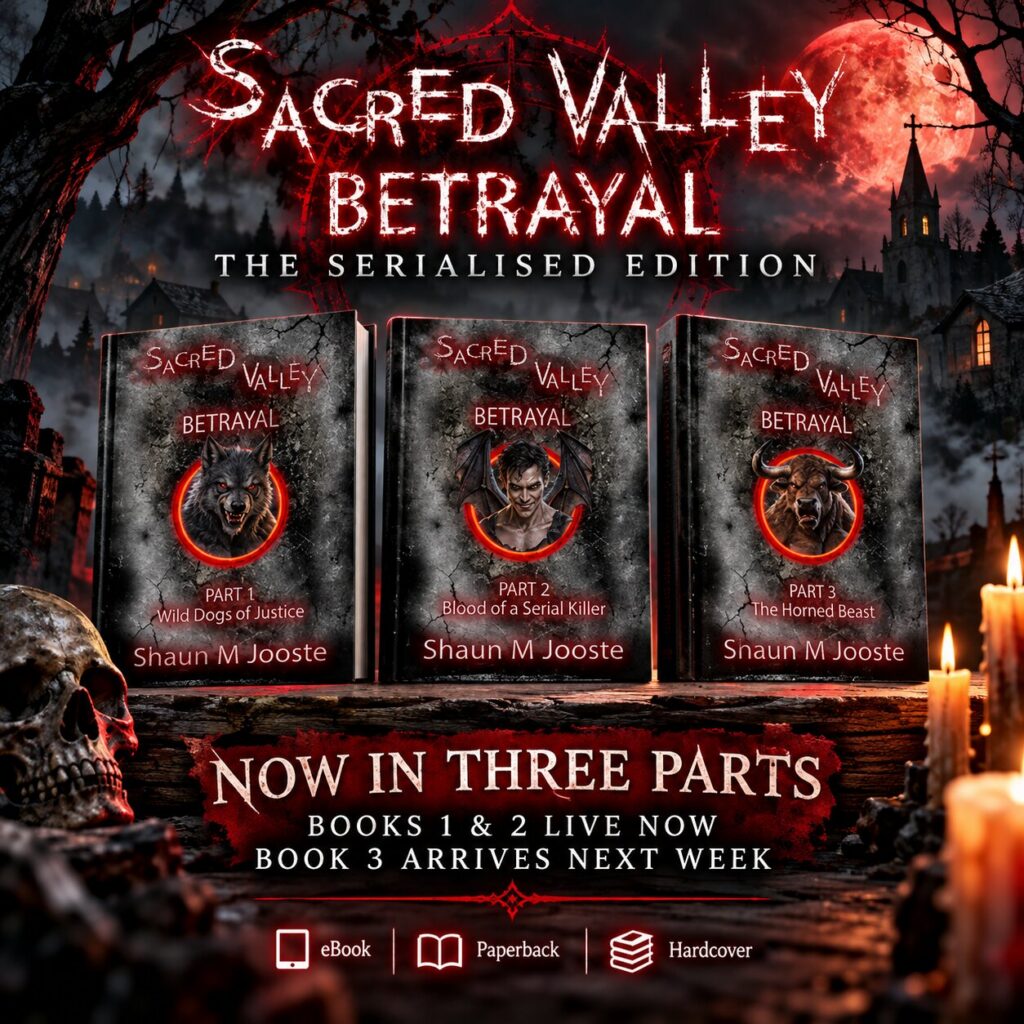
In Sacred Valley: Betrayal, for example, supernatural creatures and terrifying environments create a persistent sense of danger. The horror comes not only from the monsters themselves but also from the unsettling world surrounding them.
What Makes a Thriller Different?
Thrillers concentrate on suspense, escalating tension and the anticipation of dangerous events. Their protagonists frequently encounter mysteries, conspiracies, crimes or situations that threaten their lives. Rather than focusing primarily on fear, thrillers encourage readers to wonder what will happen next.
Psychological thrillers introduce additional complexity by exploring deception, manipulation and uncertainty. Readers might question a character’s motivations or struggle to determine who can be trusted. These stories often rely on unexpected revelations that change how earlier events are understood.
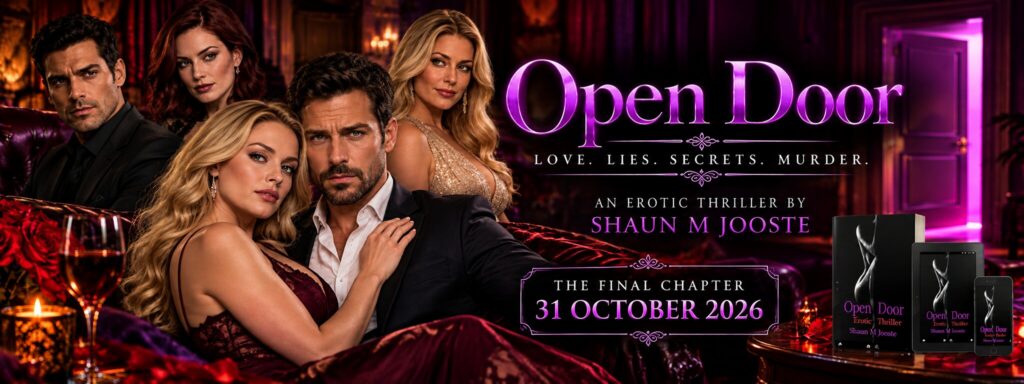
Open Door demonstrates this approach through its exploration of relationships, suspicion and murder. As Justin becomes increasingly connected to disturbing events, readers must consider whether appearances tell the whole story.
Where Horror and Thriller Overlap
The distinction between horror and thriller isn’t always clear because both genres use suspense to maintain engagement. A horror story might contain an elaborate murder investigation, while a thriller could introduce disturbing imagery or terrifying encounters. Some novels deliberately combine these approaches to create psychological horror or horror-thriller hybrids.
The most important difference generally concerns the emotional experience. Horror seeks to generate fear and dread, whereas thrillers emphasise tension, anticipation and uncertainty. However, individual stories can deliver all these emotions simultaneously.
Choosing Between Horror and Thriller
Readers who enjoy frightening environments, supernatural threats and unsettling experiences might prefer horror. Those who appreciate mysteries, dangerous situations and unexpected revelations may gravitate towards thrillers. Exploring both genres can reveal how differently authors approach similar themes.
Ultimately, neither genre needs to remain confined to strict definitions. The strongest stories often borrow techniques from multiple genres, creating experiences that remain memorable long after readers reach the final page.
Have a Horror or Thriller Story to Tell?
Have you written a horror or thriller novel that deserves to reach readers? At Celenic Earth Publications, we’re passionate about bringing compelling stories to life, from terrifying supernatural encounters to gripping psychological mysteries. Contact us today to discuss your manuscript and explore publishing opportunities with Celenic Earth Publications.