How to Create a Character in Dungeons and Dragons
 Shaun M Jooste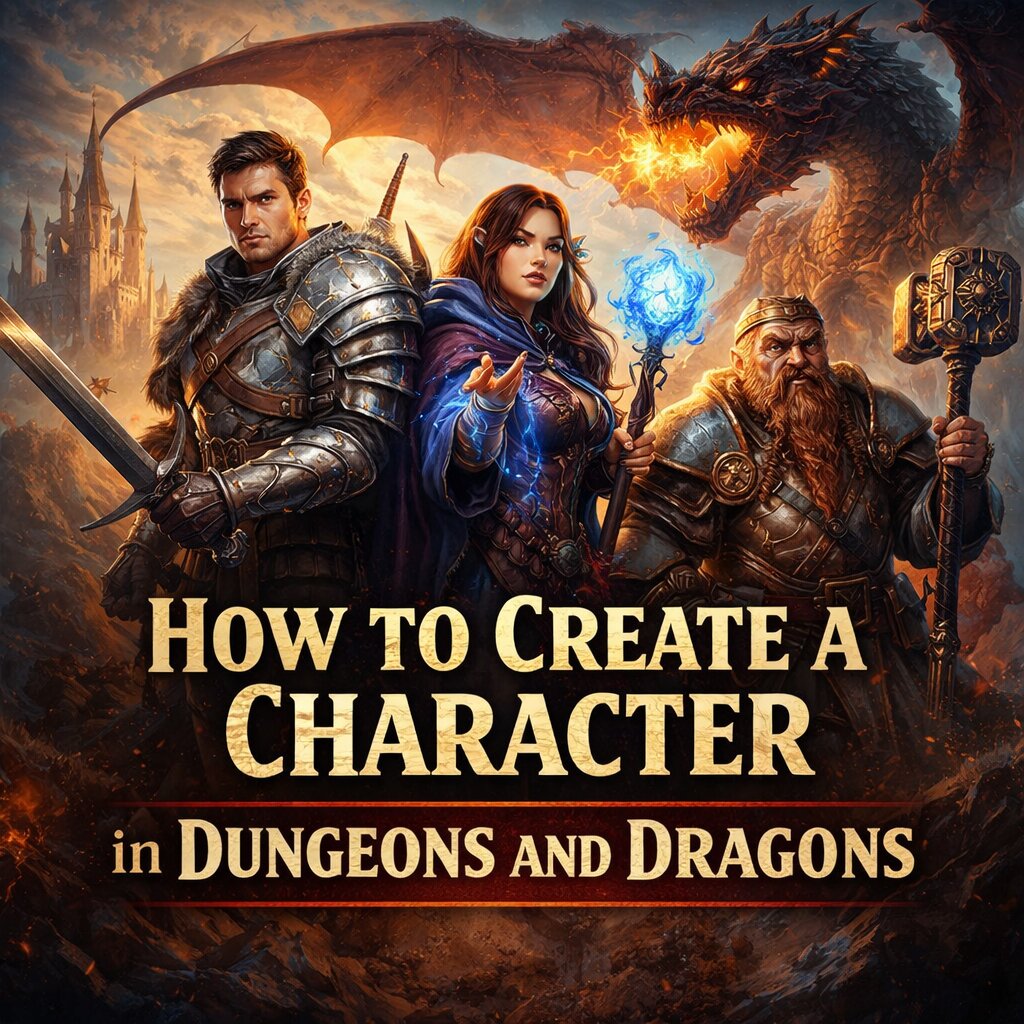
Creating a character in Dungeons and Dragons is one of the most exciting parts of the game. It is the moment where imagination meets structure, where you take an idea and shape it into someone who will live, struggle and grow within your story.
If you have never gone through Dungeons and Dragons character creation before, it can feel overwhelming at first. There are choices everywhere, from race and class to abilities and background. But once you understand the flow, the process becomes intuitive, almost like building a character layer by layer.
In this guide, you will learn how to create a character in Dungeons and Dragons in a way that feels natural, creative and grounded in storytelling.
Starting with a concept before the mechanics
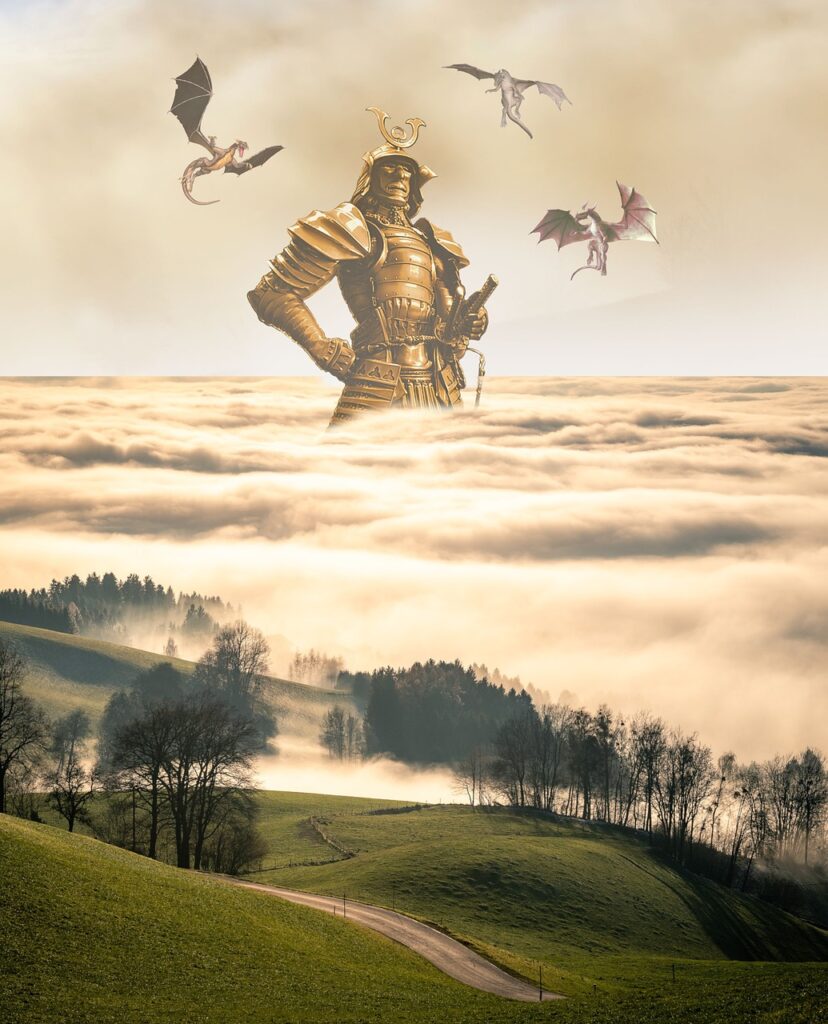
Before you dive into numbers and rules, take a moment to imagine your character as a person. This is where many players make their first mistake. They start with stats instead of story, which can lead to characters that feel functional but lack identity.
When you create a character in Dungeons and Dragons, begin with a simple idea. Who are they? What do they want? What scares them? You do not need a full backstory yet, just a spark that gives direction to your decisions.
Think of this stage like sketching the outline before painting. You are not filling in details yet. You are simply deciding what kind of figure will stand on your canvas. Once you have that, every mechanical choice becomes easier and more meaningful.
As you move forward, keep returning to this concept. It will guide your choices and ensure your character feels cohesive rather than assembled.
Choosing race and class with purpose
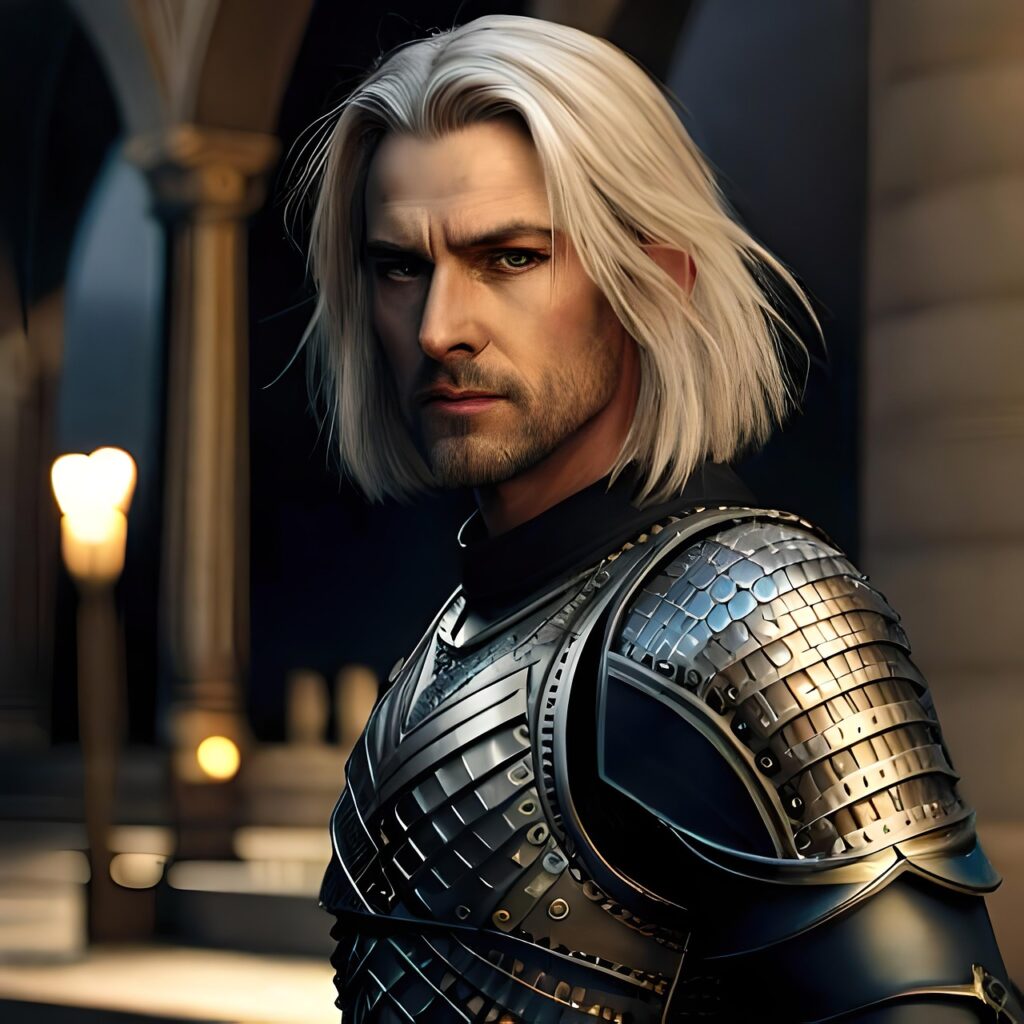
Race and class are the foundation of Dungeons and Dragons character creation. They shape how your character interacts with the world, what they are capable of and how they approach challenges.
When selecting a race, think about how it fits your concept. A dwarf might bring resilience and tradition, while an elf might suggest grace and longevity. The choice should feel like an extension of your character’s identity, not just a mechanical advantage.
Class is where your character’s role becomes clearer. Whether you choose a fighter, wizard, rogue or cleric, each class defines how your character solves problems and contributes to the party. When you create a character in Dungeons and Dragons, this decision shapes both gameplay and storytelling.
Try not to pick based purely on power. Instead, ask how the class aligns with your character’s personality and journey. A reluctant warrior or a curious mage can be far more compelling than a perfectly optimised build.
Building ability scores and shaping strengths
Ability scores are where your character begins to take mechanical form. Strength, Dexterity, Constitution, Intelligence, Wisdom and Charisma define what your character excels at and where they struggle.
When you create a character in Dungeons and Dragons, these scores should reflect your concept. A charismatic leader should feel different from a quiet scholar, not just in dialogue but in how they interact with the game world.
Rather than chasing perfect numbers, think about balance and imperfection. Flaws often make characters more interesting. A strong fighter with poor judgement or a brilliant wizard with low confidence can lead to memorable moments.
As you assign your ability scores, consider how they influence both combat and roleplay. This is where mechanics and storytelling begin to merge, giving your character depth beyond their sheet.
Background, skills and personal history
This is the stage where your character starts to feel real. Backgrounds and skills give context to who your character was before the adventure began and how they navigate the world now.
In Dungeons and Dragons character creation, your background is more than a label. It provides story hooks, connections and motivations. Whether your character is a noble, a criminal or a wanderer, this choice should tie back to your original concept.
Skills build on this foundation, showing what your character has learned through experience. They influence how you approach challenges outside of combat, from persuasion and deception to survival and investigation.
As you develop this part of your character, begin to think about their past. What events shaped them? What do they regret or hope to achieve? These details will not only enrich your gameplay but also give your Dungeon Master more to work with.
Equipment, details and final touches
Once the core of your character is in place, you can begin refining the details. Equipment, appearance and personality traits bring everything together, turning your character from an idea into a fully realised individual.
When you create a character in Dungeons and Dragons, equipment is not just about function. A worn sword, a mysterious amulet or a well-used journal can all hint at your character’s story.
This is also the time to think about how your character speaks, behaves and reacts. Small details, like habits or quirks, can make them feel alive at the table.
Allow yourself to enjoy this stage. It is where creativity shines, where your character moves from structure into personality. By now, you should feel like you know them, not just as a set of stats, but as someone ready to step into the world.
Quick checklist for character creation
- Start with a clear concept before choosing mechanics
- Select a race and class that support your idea
- Assign ability scores that reflect strengths and flaws
- Choose a background that adds depth and story hooks
- Add equipment and personality details to bring it all together
Final thoughts
Learning how to create a character in Dungeons and Dragons is not just about following steps. It is about building someone who can exist within a shared story, someone who can grow, change and leave an impact on the world around them.
Approach the process with patience and creativity. Let each choice build on the last, and allow your character to evolve as you shape them.
When done right, your character will not just be part of the game.
They will become part of the story. 🔥