Horror Fiction Antagonists: How to Develop Truly Terrifying Villains
 Shaun M Jooste
Horror fiction antagonists are not just characters that oppose your protagonist. They are the force that shapes the reader’s emotional journey, guiding fear, tension and unease from the first page to the last. When done well, they become more than a threat. They become a presence that lingers, something that feels alive beyond the boundaries of the story.
As a writer, you are not simply creating a villain. You are crafting an experience. Every decision you make about your antagonist, what to show, what to hide and when to reveal it, will determine how deeply your reader feels the horror you are trying to convey.
In this horror fiction antagonists guide, think of yourself as standing before a blank canvas. Your antagonist is not painted all at once. Instead, you layer them slowly, deliberately, allowing the reader to discover them in fragments, shadows and moments of dread.
Understanding what makes an antagonist frightening
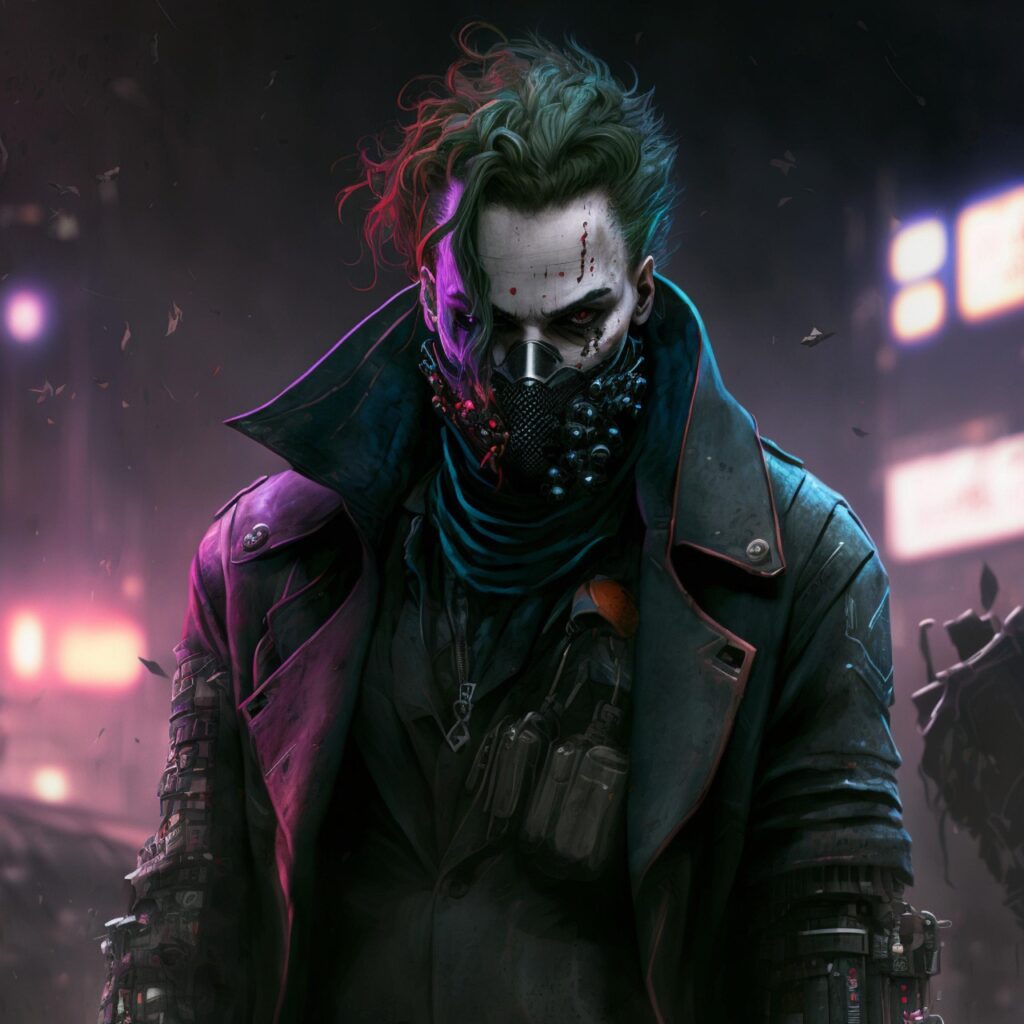
Before you begin shaping your antagonist, you need to understand that fear does not come from appearance alone. A grotesque creature or violent killer might shock the reader for a moment, but true horror settles in when something feels wrong on a deeper level, something that cannot be easily explained or controlled.
When you develop horror fiction antagonists, you are working with the reader’s imagination as much as your own words. The most effective antagonists are those that suggest more than they show. They leave space for the reader to wonder, to question and to fill in the gaps with their own fears.
This is where restraint becomes your greatest tool. Instead of revealing everything, you guide the reader’s attention carefully. You let them sense the antagonist before they fully understand it. A sound in the distance, a shadow where none should be, or a character reacting to something unseen can be far more powerful than a direct confrontation.
As you build your antagonist, ask yourself what they represent. Are they a fear of death, isolation, guilt or something unknown? When your antagonist is tied to a deeper emotional truth, they stop being just a character and become something far more unsettling.
The art of revealing without removing fear
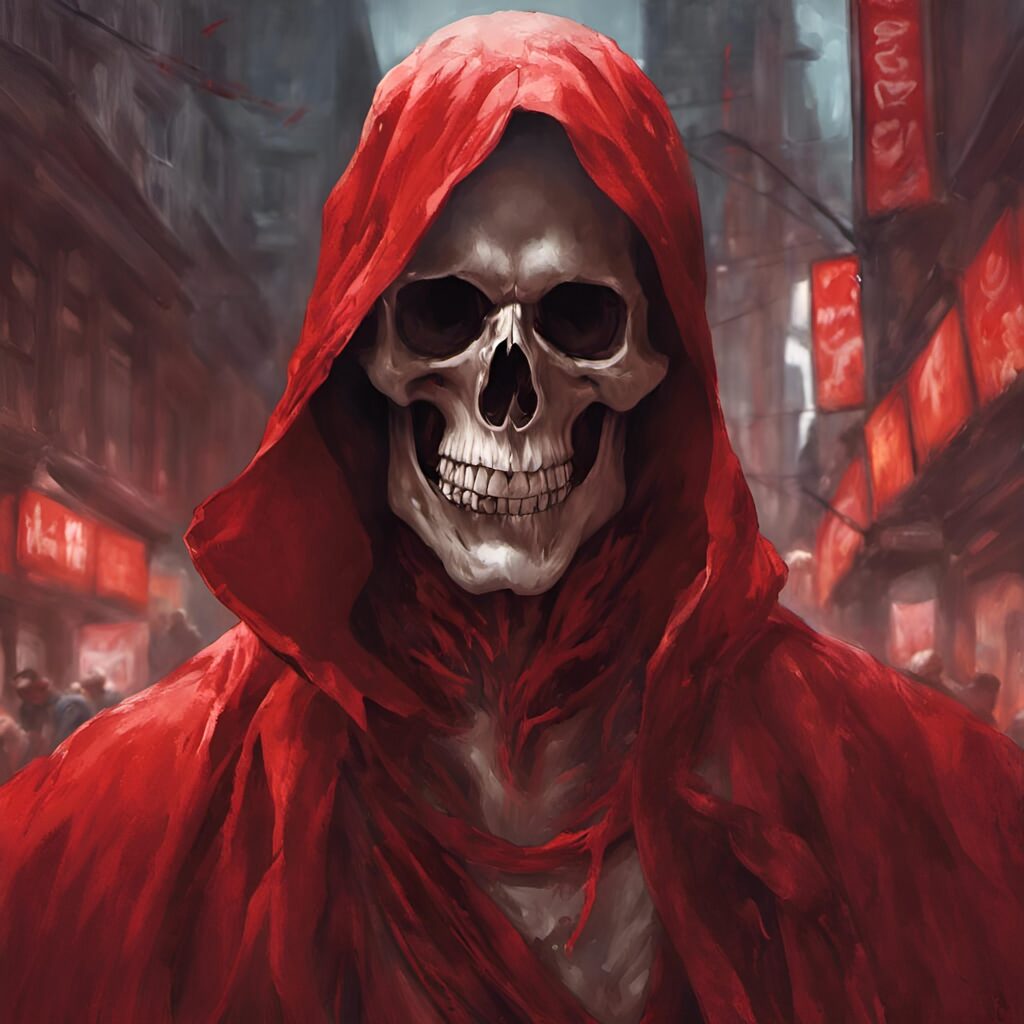
One of the most delicate parts of writing horror fiction antagonists is deciding how much to reveal and when. If you expose too much too early, the fear begins to fade. The reader starts to understand the rules, and once something is understood, it becomes easier to face.
Think of your antagonist as something that exists just out of reach. Early in your story, you allow the reader to feel its presence without clarity. They might hear it, sense it, or see the aftermath of its actions, but they do not yet know what it truly is.
As the story progresses, you begin to offer fragments of truth. These fragments should not answer every question. Instead, they should deepen the mystery or shift the reader’s understanding in unexpected ways. Each reveal should feel like a step forward, but also a step into something darker.
By the time you reach the later stages of your story, you may choose to reveal more of your horror fiction antagonists, but even here, you should hold something back. Complete understanding often removes fear. What you want instead is a sense that, even now, something remains unknown and uncontrollable.
Shaping your antagonist through presence and absence
A common misconception is that horror fiction antagonists need to appear frequently to remain relevant. In horror, the opposite is often true. Your antagonist becomes more powerful when they are not always visible, when their presence is felt even in their absence.
As a writer, you guide this presence through the world you create. The environment reacts to the antagonist. The characters feel it before they see it. The reader begins to understand that something is always there, just beyond the edge of perception.
You can achieve this by focusing on how your antagonist affects the story rather than how often they appear. A room that suddenly feels colder, a character who refuses to speak about what they saw, or a series of events that suggest something is watching can all reinforce the antagonist’s presence.
In this way, your horror fiction antagonists become woven into the fabric of the story itself. They are not just a figure that appears and disappears. They are part of the atmosphere, part of the tension and part of the reader’s growing sense of unease.
Different forms your antagonist can take
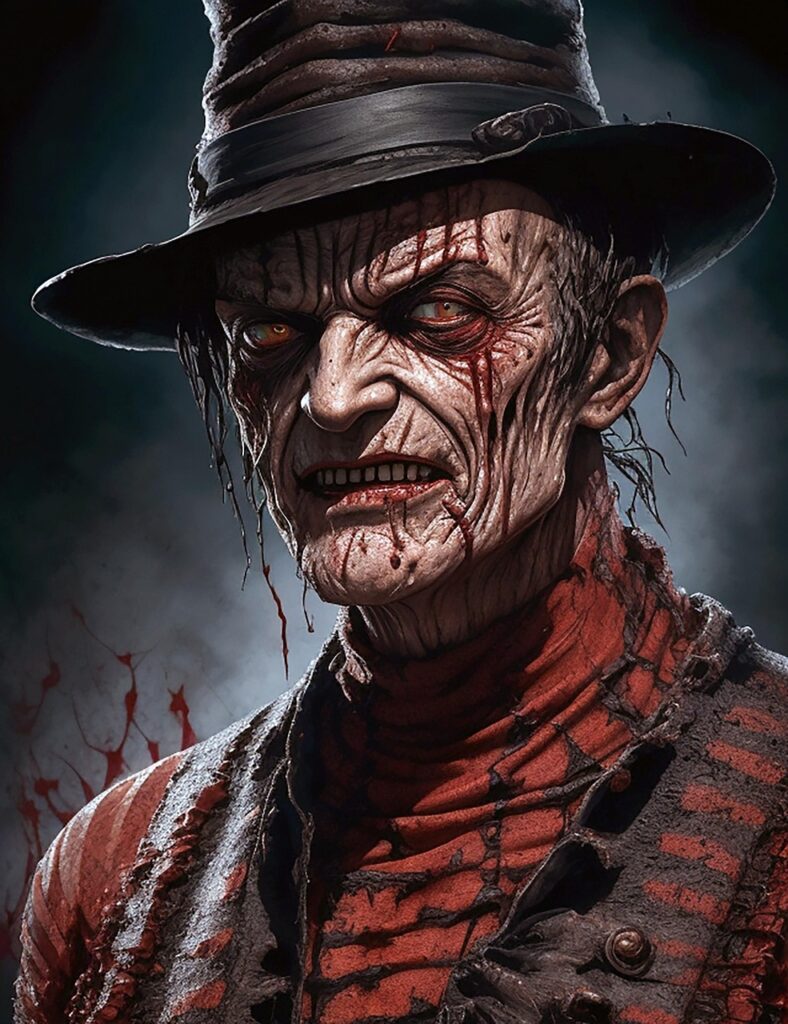
When you begin designing your horror fiction antagonists, it helps to consider the different forms they can take and how each one shapes the kind of fear your story delivers. Each type offers a different way to engage the reader and explore your theme.
- The unseen entity allows you to focus on atmosphere and uncertainty, keeping the reader constantly guessing
- The human antagonist brings psychological depth, forcing the reader to confront the idea that real people can be the source of horror
- The supernatural force gives you room to explore lore, mythology and forces beyond human understanding
- The internal antagonist turns the horror inward, making the protagonist’s own mind or emotions the source of fear
As you choose your approach, think about what kind of experience you want to create. The form of your horror fiction antagonists should align with the emotional core of your story. It should feel like a natural extension of the world and the fears you are exploring.
Balancing motivation and mystery

At some point in your writing process, you will face the question of motivation. Why do your horror fiction antagonists do what they do, and should the reader know the answer?
This is where many writers overstep. There is a natural urge to explain everything, to give the antagonist a clear reason that makes their actions understandable. While this can work in some cases, especially with human antagonists, it can also weaken the horror if handled poorly.
When you reveal motivation, you are bringing the antagonist closer to the reader’s understanding. This can make them more relatable, but it can also make them less frightening. The unknown is often far more unsettling than something that can be explained.
A balanced approach is to give just enough insight to create meaning without removing mystery. Let the reader feel that there is a reason, but not necessarily understand it completely. This keeps the antagonist grounded while still allowing fear to thrive.
Avoiding the traps that weaken fear
As you refine your horror fiction antagonists, it is important to remain aware of the common pitfalls that can reduce their impact. These mistakes often come from a desire to make the story clearer or more detailed, but they can unintentionally strip away tension.
Avoid revealing everything too early, as this removes the sense of discovery and uncertainty. Be careful not to overuse your antagonist’s appearance, as constant exposure can make them feel ordinary rather than threatening.
Predictability is another danger. If the reader begins to anticipate exactly how and when the antagonist will act, the fear starts to fade. You want to keep them uncertain, never quite sure what will happen next.
Finally, resist the urge to resolve everything neatly. Horror thrives on lingering questions and unresolved tension. Allow your antagonist to leave an impression that extends beyond the final page.
Final thoughts on horror fiction antagonists
When you develop horror fiction antagonists, you are doing more than building a character. You are guiding the reader through an emotional experience, carefully controlling what they see, what they understand and what they fear.
Approach your horror fiction antagonists antagonists like a painter working in layers. Start with suggestion, build through presence and carefully choose what to reveal. Let the unknown do as much work as the known, and trust your reader’s imagination to meet you halfway.
If you can maintain that balance, your antagonist will not simply exist within the story. They will remain with the reader long after it ends.