Are Fantasy Books Hard to Read?
 Shaun M Jooste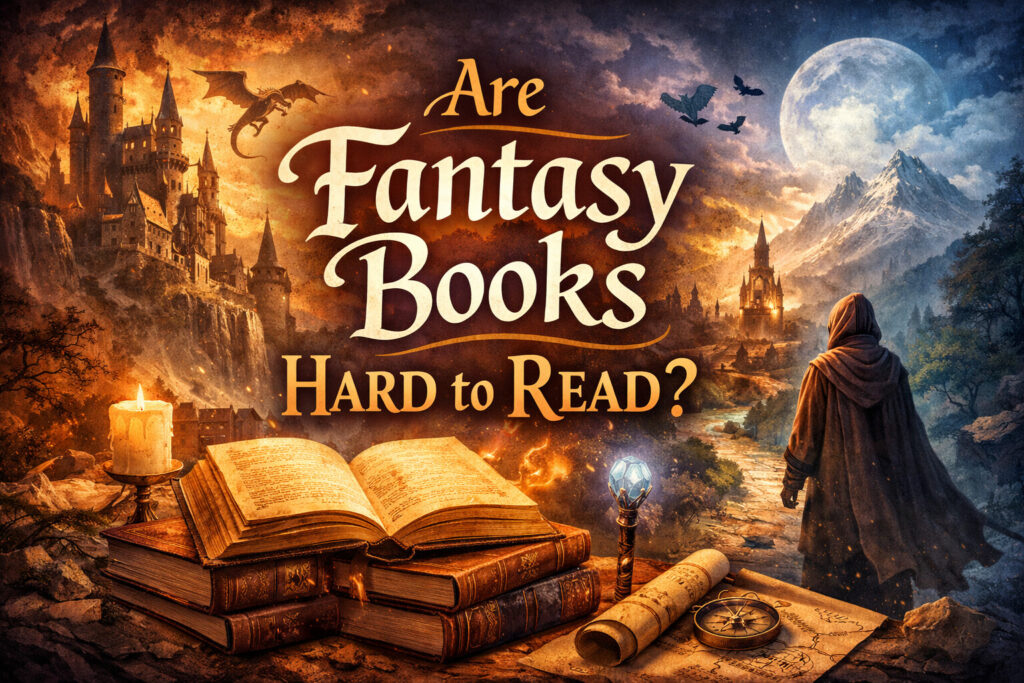
Fantasy is one of the most popular and enduring literary genres, yet it often comes with a reputation for being “hard to read.” New readers sometimes worry about complex worlds, unfamiliar names, or dense lore. But are fantasy books genuinely difficult, or is this just a misconception shaped by a few well-known epic series?
The truth is that fantasy, like any genre, exists on a wide spectrum. Some stories are richly layered with history, politics, and mythology, while others are fast-paced, character-driven, and highly accessible. Understanding why fantasy can feel challenging helps readers find the kind of story that suits them best.
Why fantasy books can feel challenging
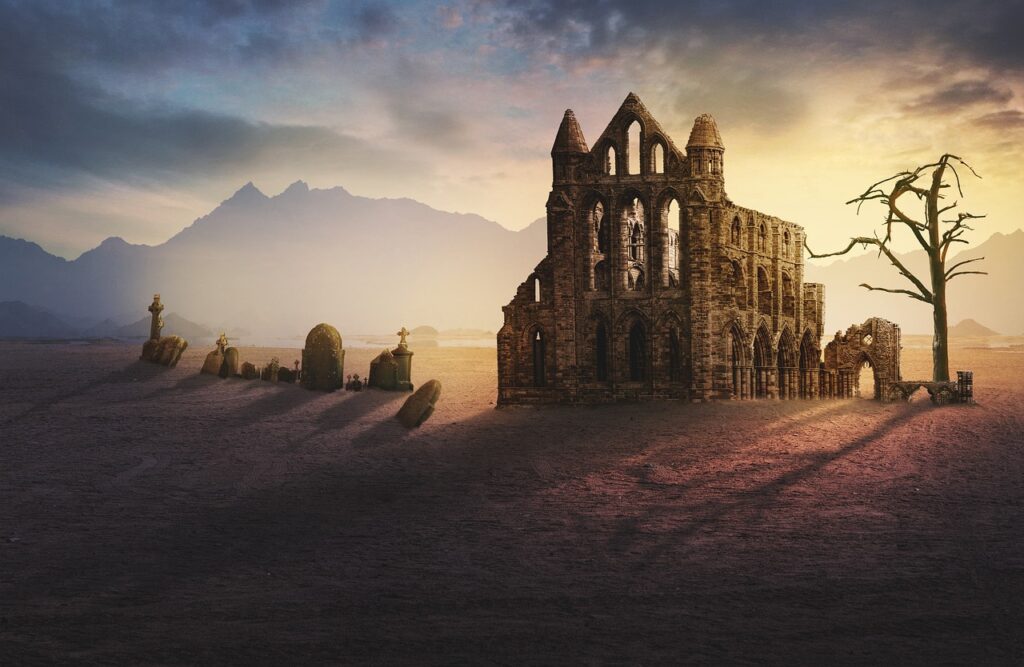
One of the main reasons fantasy books can feel intimidating is world-building. Unlike contemporary fiction, fantasy authors must introduce new cultures, magic systems, creatures, and sometimes entirely invented histories. Early chapters often carry more information than readers are used to, which can feel overwhelming at first.
Another factor is language and naming conventions. Fantasy frequently uses invented names, titles, and locations that do not have real-world reference points. Until readers become familiar with these terms, progress can feel slower than in more familiar genres.
Finally, some fantasy novels aim for epic scale. Large casts of characters, multiple storylines, and long book lengths can give the impression that fantasy demands more effort. While this is true for some series, it is by no means universal.
Why fantasy is often easier than people expect
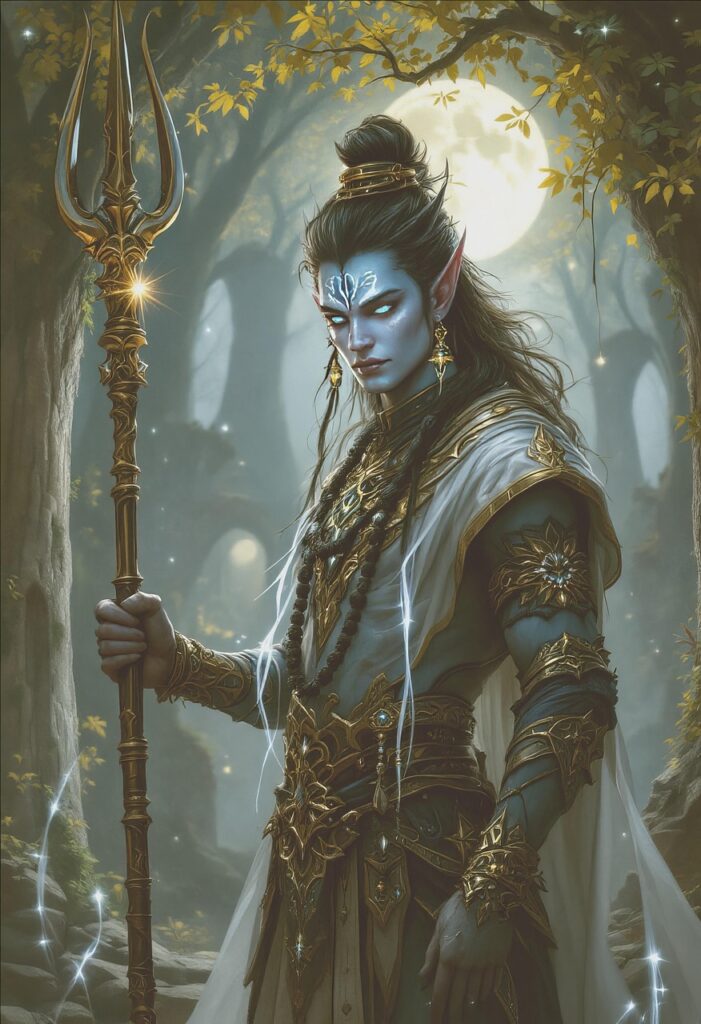
Despite its reputation, fantasy can be surprisingly approachable. Many fantasy stories rely on clear moral stakes, strong character arcs, and immersive storytelling that quickly pulls readers in. Once the world is established, reading often becomes effortless because readers are deeply invested.
Fantasy also allows for escapism and emotional clarity. Themes like courage, identity, sacrifice, and hope are often explored in direct and powerful ways. For many readers, this makes fantasy easier to connect with than subtle or abstract literary fiction.
Importantly, modern fantasy offers a wide range of entry points. From standalone novels to tightly focused trilogies, readers can choose stories that match their comfort level rather than committing to massive sagas.
Fantasy books that are great entry points

If you are new to fantasy or hesitant because of its reputation, starting with the right books makes all the difference. These titles balance rich imagination with accessible storytelling:
- Legend of the Oracle Runes trilogy by Debbie Stansfield: A character-driven trilogy that introduces its world gradually, making it ideal for readers easing into epic fantasy.
- Celenic Earth Chronicles trilogy by Shaun M Jooste: A classic-style epic fantasy series that blends elemental magic, adventure, and mythology with a strong narrative flow.
- The Ice Queen by Elena van Peborgh: A standalone fantasy novel that focuses on atmosphere, emotion, and story rather than overwhelming complexity.
- Arrdum’s Omen by Shane Porteous: A short fantasy tale that prioritises momentum and intrigue, perfect for readers who want an engaging, easy-to-follow story.
These books show that fantasy does not have to be dense or difficult to be powerful and immersive.
So, are fantasy books hard to read?
Fantasy books are not inherently hard to read; they simply ask readers to step into something unfamiliar. Once that initial step is taken, many readers find fantasy more engaging and rewarding than expected. With the right story, the genre becomes an invitation to explore, not a barrier to entry.
If you are curious about fantasy or looking for your next read, explore our online bookshop or browse these titles on Amazon to find a fantasy book that matches your reading style and experience level. The right fantasy story might be far easier to read, and harder to put down, than you think. ✨📚