When Fictional Characters Make Us Laugh
 Shaun M Jooste
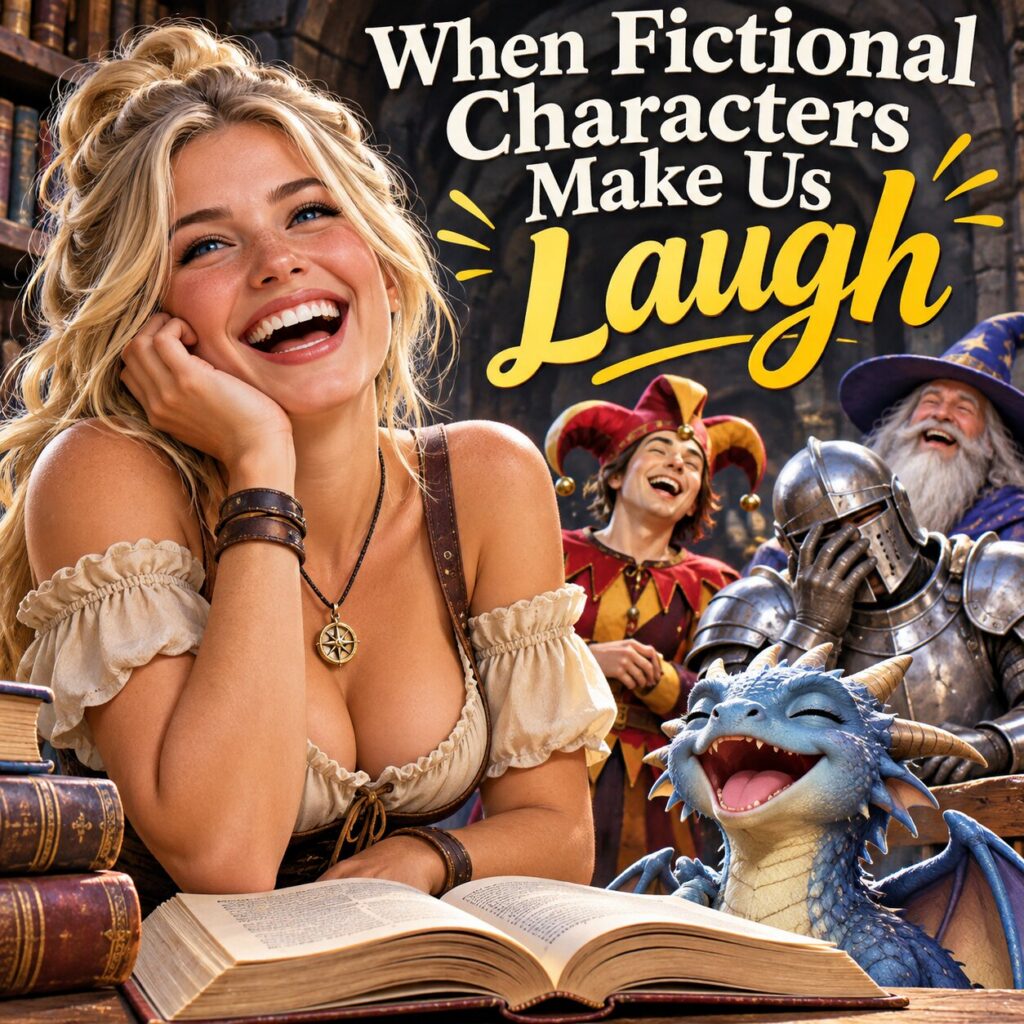
Some fictional characters are born to save the world, while others seem destined to trip over their own feet while attempting it. Comedy has always played an important role in storytelling, offering audiences a chance to laugh at the absurdities of life through the experiences of imaginary people.
Whether we are reading a novel, watching a film, or playing a video game, memorable characters often become even more entertaining when their personalities clash with unexpected circumstances. Sometimes, the funniest moments happen when the characters themselves have absolutely no idea they are being funny.
Why Character-Based Comedy Works
The most effective fictional comedy often begins with personality rather than jokes. A stubborn warrior who refuses to admit defeat, an overly confident detective who consistently misreads clues, or a villain obsessed with dramatic speeches can all create amusing situations.
These characters become funny because their behaviour follows recognisable patterns. Readers learn what to expect from them, making it particularly entertaining when those expectations collide with reality.
For writers, the challenge is creating personalities that remain believable even when the circumstances become ridiculous. A character who behaves foolishly merely to generate laughter may quickly become irritating, whereas someone whose flaws naturally produce humour can remain entertaining throughout an entire story.
The Beauty of Awkward Situations
Few comedic techniques are as universally recognisable as embarrassment. Fictional characters frequently find themselves trapped in conversations they cannot escape, mistaken for someone else, or forced to explain circumstances that look considerably worse than they actually are.
Imagine a heroic knight confidently announcing that he has defeated a terrifying dragon, only for a tiny lizard to emerge from his armour. Alternatively, picture a sophisticated spy attempting to maintain a convincing disguise while accidentally ordering dinner in the wrong language.
The comedy comes from the difference between what the character intends and what actually happens. These moments work particularly well when the audience understands the misunderstanding before the character does.
When Serious Characters Become Funny
Not every humorous character needs to be a comedian. In fact, some of the funniest fictional personalities are entirely serious.
Consider a disciplined soldier attempting to understand an eccentric inventor, or a powerful wizard becoming frustrated with a perfectly ordinary household appliance. Their serious reactions can make otherwise mundane situations wonderfully entertaining.
This contrast is especially effective in fantasy, science fiction, and horror. A moment of unexpected humour can provide relief after an intense sequence without undermining the larger story.
The Importance of Comic Timing
Comedy depends heavily on timing, regardless of the storytelling medium. Films use facial expressions, pauses, editing, and physical performances to create laughter. Video games can introduce humorous dialogue, environmental details, and unexpected player interactions.
Writers must achieve similar effects through language. Sentence structure, dialogue exchanges, and the placement of revelations can determine whether a joke lands successfully.
Sometimes, the funniest response is not a clever remark but a character’s complete refusal to acknowledge something ridiculous. A perfectly timed silence can communicate more than an elaborate explanation.
Why We Remember Funny Characters
Audiences often remember fictional characters because of how those characters made them feel. A heroic sacrifice may inspire admiration, but an unforgettable comedic exchange can remain in someone’s memory for years.
Humour also makes characters more approachable. Even powerful heroes become relatable when they experience embarrassment, frustration, or moments of spectacular incompetence.
Ultimately, fictional comedy reminds us that extraordinary adventures do not always require extraordinary seriousness. Sometimes, the best way to make an imaginary world feel alive is to allow its inhabitants to laugh, stumble, argue, and occasionally make complete fools of themselves.