SEO Tips for Book Authors: How to Rank Your Book on Google and AI Search
 Shaun M Jooste
If you want your book to succeed today, writing it is only half the journey. The real challenge is ensuring readers can actually find it. With millions of books competing online, mastering SEO tips for book authors is no longer optional. It is essential.
Search engines like Google and AI-driven platforms now shape how readers discover books. From your title to your description and even your author profile, every element plays a role in visibility. By applying the right strategies early, you position your book for long-term success.
This guide expands on traditional advice and takes it further, helping you optimise for both search engines and AI discovery platforms.
Understanding how readers search for books

Before you optimise anything, you need to understand how readers actually search. Most authors think in terms of creativity, but readers think in terms of problems, genres, and solutions.
When someone searches for a book, they rarely type a poetic title. Instead, they search for phrases like “fantasy books with dragons” or “how to overcome anxiety.” These are intent-driven searches, and your book needs to align with them.
Search engines analyse hundreds of factors to determine rankings, but relevance is always at the core. If your content matches what users are looking for, you already have an advantage.
This is why SEO tips for book authors begin with audience understanding. You are not just writing a book. You are answering a search query.
Keyword research that actually works
Keyword research is the foundation of discoverability. However, many authors either overcomplicate it or ignore it entirely.
Start by identifying one main keyword that defines your book. Then expand into supporting keywords, variations, and natural phrases readers might use. The goal is to reflect real search behaviour, not just industry jargon.
Instead of relying only on tools, look at autocomplete suggestions, related searches, and reader questions. These often reveal more practical insights into what people are actually typing.
Avoid keyword stuffing. Search engines penalise unnatural repetition, and readers will lose interest quickly. Use your keywords naturally in your title, description, and supporting content.
The original advice emphasises 5 to 15 keywords, but today, semantic relevance matters more than quantity. Focus on clarity and intent instead of numbers.
Crafting a book title that ranks and converts

Your book title is your strongest SEO asset. It must balance clarity, keyword usage, and appeal.
A good title tells readers exactly what they will get. It should include your main keyword or phrase and avoid being overly vague or abstract. While creative titles can work, they often struggle in search results if they lack context.
Think of your title as both a headline and a search result. It needs to stand out while also matching what people are searching for.
Shorter titles tend to perform better, especially under 60 characters, as they are easier to read and display fully in search results. However, clarity should always come first.
If needed, use a subtitle to expand on the topic and include additional keywords. This is where you can refine your positioning and improve discoverability.
Writing powerful book descriptions that drive clicks
Your book description is more than a summary. It is a conversion tool.
Readers scan content quickly, especially online. This means your opening sentence must immediately capture attention and highlight the value of your book.
Instead of simply describing the story or topic, focus on what the reader gains. Are you solving a problem, offering an escape, or delivering a unique experience?
Structure your description in short paragraphs to improve readability. Include natural keyword placement, but prioritise flow and engagement.
The recommended length of 200 to 300 words still holds true , but modern readers also respond well to clear formatting and concise messaging.
A strong description does not give everything away. It creates curiosity and encourages action.
Key elements every author should optimise
To compete effectively, you need to optimise multiple elements together. Treat your book like a complete SEO package.
- Book title with a clear keyword focus
- Subtitle that expands on search intent
- 5 to 10 relevant keyword variations
- A compelling book description
- Strong, benefit-driven unique selling points
- Author biography that builds credibility
- Consistent keyword usage across platforms
These elements work together to improve both visibility and conversions. Neglecting one can weaken the entire structure.
Optimising for AI search and modern discovery

Search is evolving. AI platforms now summarise, recommend, and interpret content differently from traditional search engines.
To optimise for AI discovery, focus on clarity and context. AI prefers content that directly answers questions and provides structured information.
Use natural language in your descriptions and consider including question-based phrasing. This aligns with how users interact with AI tools.
Authority also plays a role. A well-written author bio, consistent publishing presence, and clear expertise signals can improve how your book is interpreted and recommended.
Unlike older SEO strategies, modern optimisation is less about tricks and more about relevance, trust, and usefulness.
Why your author profile matters more than ever
Your author biography is often overlooked, but it plays a key role in both SEO and reader trust.
Readers want to know why you are qualified to write your book. Highlight your expertise, experience, or personal connection to the topic.
Keep it concise, but meaningful. Mention previous work if relevant, and include a human touch to make it relatable.
A strong author profile reinforces your credibility and can influence both search rankings and purchasing decisions.
The original guidance highlights the importance of expertise and relevance, but today it also contributes to your overall digital presence.
Building visibility beyond the book page
SEO does not stop at your book listing. To truly compete, you need supporting content.
Articles, blog posts, and external content can help drive traffic to your book. These pieces should target related keywords and provide additional value to readers.
Internal linking, social sharing, and consistent updates all contribute to your visibility over time. The more signals you send to search engines, the stronger your presence becomes.
Think of your book as part of a wider ecosystem, not a standalone product.
Positioning your book for long-term success
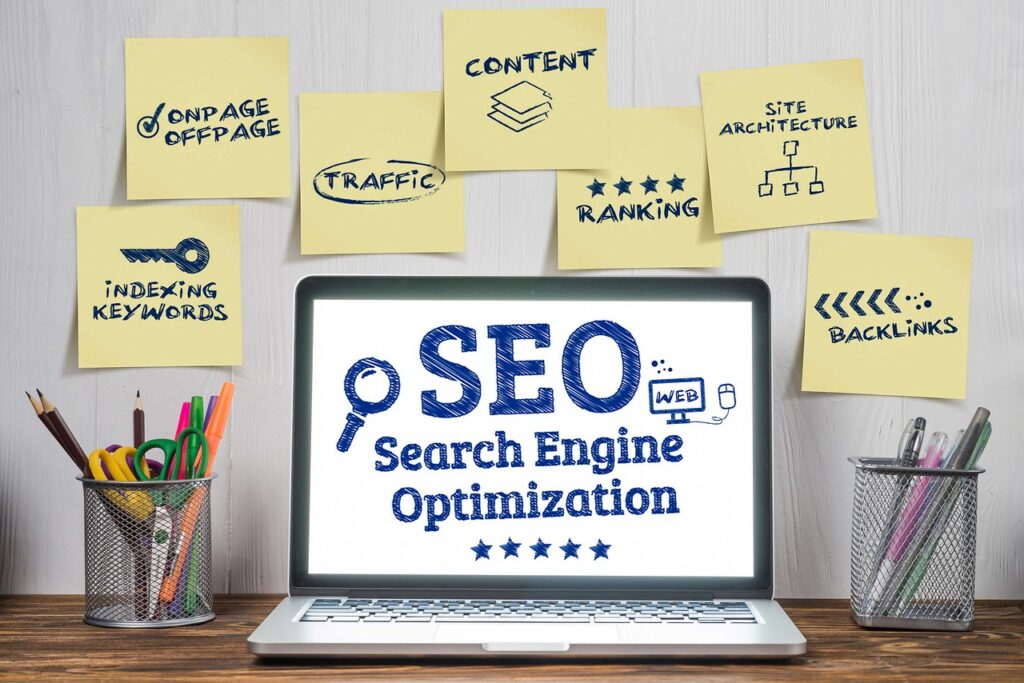
SEO is not a one-time task. It is an ongoing strategy.
As trends change and new books enter the market, you need to adapt. Update your descriptions, refine your keywords, and continue building your presence.
The authors who succeed are not just great writers. They are also strategic in how they present and promote their work.
By applying these SEO tips for book authors, you give your book the best chance to stand out, rank higher, and reach the audience it deserves.
Make your book discoverable, not invisible
A great book deserves to be read. But without proper optimisation, it risks being lost in the noise.
By focusing on clarity, relevance, and reader intent, you transform your book into something that both search engines and readers can easily find.
Take the time to refine your title, description, and overall strategy. The results will not only improve your rankings but also your long-term success as an author.
And when you are ready to take the next step, explore our book publishing services to help bring your optimised book to life. 🚀