The Role of Author Virtual Events and Online Book Clubs
 Shaun M Jooste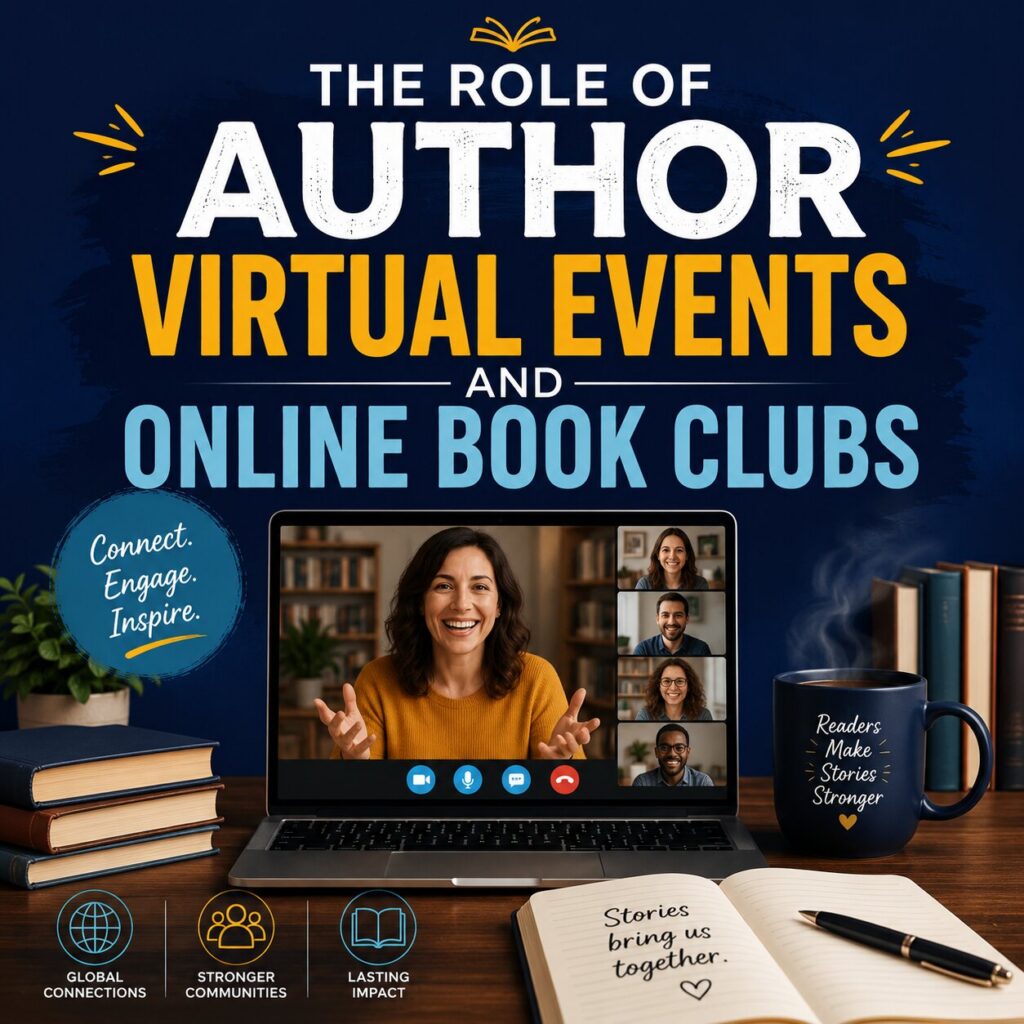
In today’s publishing world, authors are no longer limited to physical bookstore signings and local reading groups. The rise of digital platforms has transformed the way writers connect with readers, allowing them to engage audiences across the globe through author virtual events and online book clubs. These online spaces create opportunities for deeper interaction, stronger reader communities, and ongoing book promotion long after a title is released.
For both traditionally published and independent authors, digital engagement has become an essential part of modern book marketing. Readers want more than just a book. They want experiences, discussions, behind-the-scenes insights, and personal interaction with the writers they admire. This is where author virtual events and online book clubs play a powerful role in helping authors grow their audience and build lasting relationships.
Why author virtual events matter in modern publishing

One of the biggest advantages of author virtual events is accessibility. Instead of being limited by geography, writers can now reach readers from different countries and time zones through livestreams, webinars, online launch parties, and Q&A sessions. This opens the door to a much wider audience than many physical events could ever achieve.
Virtual events also reduce costs for both authors and readers. There are no travel expenses, venue bookings, or accommodation requirements. A writer can host an event directly from their home office while readers join comfortably from anywhere in the world. This affordability makes online engagement more sustainable, especially for indie authors and smaller publishers.
Another major benefit is the ability to record and repurpose content. A livestream interview or online panel discussion can later become social media clips, YouTube videos, podcast material, or promotional snippets for future marketing campaigns. This gives author virtual events long-term value beyond the initial session itself.
Digital events also encourage direct communication between writers and readers. Fans can ask questions in real time, discuss characters and themes, and feel personally connected to the author. These interactions often strengthen reader loyalty and increase the chances of word-of-mouth promotion.








How online book clubs strengthen reader communities
Online book clubs have become an important space for readers to gather and discuss books together. Platforms like Facebook Groups, Discord servers, Goodreads communities, and even Zoom meetings allow readers from around the world to participate in shared literary experiences.
For authors, joining or hosting online book clubs creates valuable opportunities to interact with highly engaged readers. These readers are often passionate about discussing themes, analysing characters, and recommending books to others. Their enthusiasm can significantly boost a book’s visibility.
Book clubs also help extend the lifespan of a publication. While many books receive strong attention during launch week, online discussions can keep interest alive for months or even years. Readers discovering a title through a book club may continue sharing it with others, creating a ripple effect of organic promotion.
Another advantage is that online book clubs provide immediate feedback. Authors can gain insight into how readers interpret their stories, which characters resonate most, and what emotional impact the book creates. This information can be incredibly valuable for future writing and marketing decisions.
Popular types of author virtual events

There are many creative ways authors can use virtual spaces to engage readers online. Some of the most popular formats include:
- Live book launch events
- Online Q&A sessions
- Writing workshops and masterclasses
- Virtual convention panels
- Livestream readings from new books
- Podcast interviews and discussions
- Collaborative events with other authors
- Exclusive Patreon or membership livestreams
- Fan theory discussions and lore breakdowns
- Online horror or fantasy-themed experiences
Different genres can also shape the type of event that works best. Horror writers may create atmospheric livestream experiences, while fantasy authors may focus on world-building discussions. Romance writers often thrive in emotional reader communities and book club conversations.
The flexibility of author virtual events allows writers to experiment and discover what resonates most with their audience.
Building stronger author brands through online engagement

Modern readers often follow authors for their personalities as much as their books. Virtual engagement helps writers showcase their interests, creative process, humour, and passion beyond the pages of their novels.
Consistent online interaction can turn casual readers into loyal supporters. When audiences regularly attend livestreams, participate in book club discussions, or engage during online events, they begin to feel personally invested in the author’s journey.
This type of engagement also helps establish credibility and authority within a genre. Writers who host educational workshops, participate in interviews, or contribute to online literary discussions often position themselves as active voices within the industry.
Authors can further strengthen their branding by maintaining consistency across platforms. Using similar visuals, themes, messaging, and community interaction styles helps create a recognisable identity that readers remember.











Creating meaningful digital reader experiences
The publishing industry continues to evolve, and digital interaction is becoming increasingly important for writers who want to grow their readership. Author virtual events and online book clubs provide more than just marketing opportunities. They create genuine communities where readers and writers can connect through shared passion and storytelling.
Whether hosting a livestream launch, joining a fantasy book discussion, or answering reader questions during an online event, authors now have more ways than ever to engage audiences worldwide. These digital spaces allow stories to travel further, conversations to continue longer, and reader relationships to become far more personal than traditional publishing methods once allowed.
For modern authors, building a thriving online community may become just as important as writing the next great book.