The Difference Between Sales Reports and Royalty Statements in Publishing
 Shaun M Jooste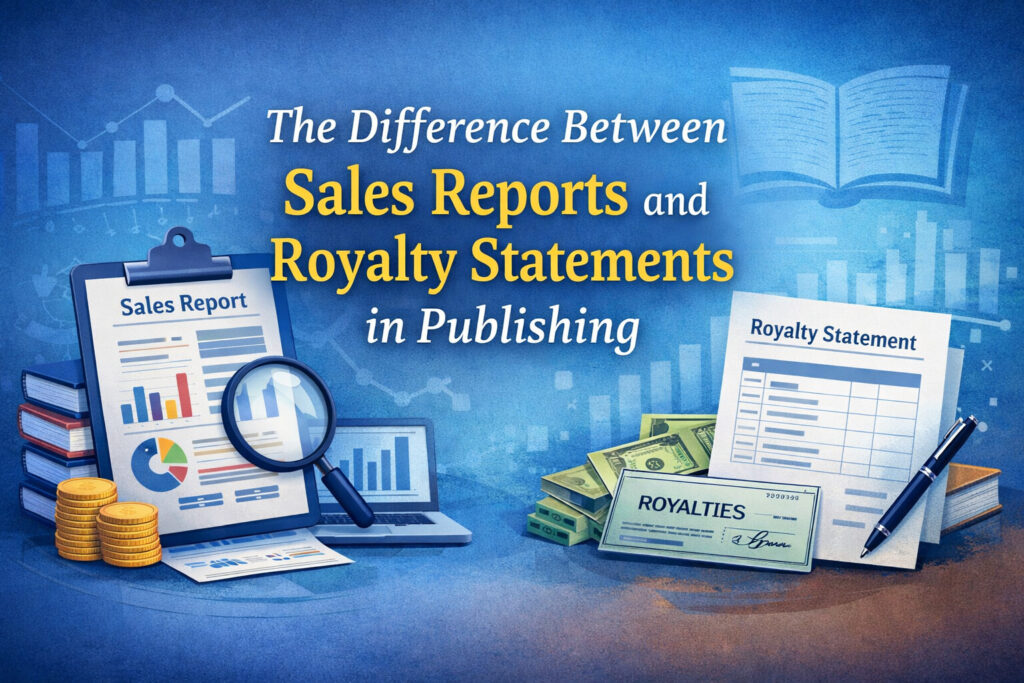
One of the most common areas of confusion in publishing revolves around sales reporting. Authors often hear about sales reports and royalty statements and understandably assume they are the same thing, or that one should automatically be shared in place of the other. In reality, these two documents serve very different purposes within the publishing ecosystem.
Understanding the distinction helps authors develop realistic expectations about reporting, transparency, and how royalties are calculated. It also sheds light on the professional responsibilities publishers carry when managing multiple platforms, titles, and contractual obligations.
At its core, this is not a question of secrecy, but of process.
What sales reports are and who they are for

Sales reports are official documents issued by retailers, distributors, and print-on-demand platforms directly to publishers. These reports are designed for internal accounting and reconciliation rather than for public or author-facing use.
They contain raw transactional data reflecting what happened on each platform during a specific reporting period. This data is often provisional, subject to later adjustments, and influenced by factors such as returns, regional pricing differences, platform fees, taxes, currency conversions, and delayed settlements. As a result, sales figures may change after the initial report is issued.
Importantly, sales reports usually cover far more than a single title or author. A single report may include multiple books, formats, regions, and internal reference codes. This makes them unsuitable for direct sharing without significant processing and redaction.














Why publishers do not share raw sales reports

Because sales reports are internal business documents, they often contain commercially sensitive information. This can include distributor terms, negotiated discounts, platform-specific fee structures, tax data, and information relating to other authors and titles published under the same account.
Sharing these documents would risk breaching confidentiality agreements with distributors and expose information that has no relevance to an individual author. It would also create confusion, as raw sales figures do not reflect what an author is actually owed under their contract.
For these reasons, publishers across traditional, hybrid, and professional independent models do not provide raw sales reports. This is standard industry practice and forms part of responsible financial management.
What royalty statements are and why they exist

Royalty statements are created specifically for authors. They are prepared only after the publisher has received sales reports from all relevant platforms and has had time to verify, consolidate, and reconcile the data.
During this process, the publisher applies the author’s contractual royalty rate, accounts for returns and adjustments, and ensures that the figures align across reporting periods. The end result is a document that clearly shows how many units were sold, how royalties were calculated, and what amount is payable or has already been paid.
In other words, royalty statements translate complex internal data into a format that is meaningful and actionable for authors. They represent earnings, not raw platform activity.
Transparency, trust, and professional standards

Publishing relies on professional trust supported by clear contracts. Authors trust publishers to handle sales data accurately, report earnings honestly, and pay royalties on schedule. Publishers trust authors to understand that internal sales documentation is part of the publisher’s business operations, not a public record.
Transparency does not mean sharing every internal document. It means providing clear royalty statements, defined reporting periods, and explanations when questions arise. When handled properly, this balance protects both parties and ensures compliance with legal and commercial obligations.
This approach mirrors best practice across creative industries where intermediaries manage revenue on behalf of creators.
Why understanding this difference matters for authors
When authors understand the difference between sales reports and royalty statements, communication becomes clearer and expectations more realistic. Questions can focus on royalty calculations rather than raw platform data, and discussions remain professional and productive.
This understanding also helps new and emerging authors navigate publishing relationships with confidence, knowing what information they should expect to receive and why certain internal documents are not shared.
Building strong author–publisher relationships
A healthy publishing relationship is built on clarity, trust, and professionalism. Sales reports and royalty statements each play their role in that relationship, but they are not interchangeable.
For authors looking to publish professionally, working with a publisher who understands these processes and communicates them clearly is essential. If you are a new author exploring your publishing options, we invite you to learn more about our book publishing services and how we support writers through every stage of the publishing journey, from submission to reporting and beyond.